
Tag: Industry
-

Industry questions Labour Party Conference housing plans
Labour used its party conference this week to unveil plans for 12 new towns and a broader package of housing initiatives across England. Ministers framed the proposals as a long-term solution to the housing crisis, promising 1.5 million new homes in the current Parliament, including a significant proportion designated as affordable. Industry experts, however, warned…
-

Mental health charter launched for construction industry
A new mental health support framework has been launched by charity Mindflow. The framework, known as the Mindflow Mental Health Charter, introduces an actionable and measurable standard for mental health provision on construction sites. By registering, companies commit to 10 principles: A written mental health and wellbeing policy Clear ownership and governance Equal access to…
-

‘Who’s going to build these homes?’ – industry reacts to Labour’s new towns
(Image: David Calvert via Dreamstime.com) The government has pledged to start building three new towns before the next general election. The government has accepted the recommendation and is looking at Tempsford in Bedfordshire, Leeds South Bank and Crews Hill in north London as the most promising sites to start building. The new towns are expected…
-

Why CPD is essential to foster public trust in the construction industry
Institute members must be up to date with the latest regulations to ensure the highest standards in the built environment, writes Eddie Tuttle. Image: Dreamstime In the coming weeks, the CIOB’s policy and public affairs team will review the outcomes of party conference season, which is currently in full swing. We’ll also examine a forthcoming government…
-
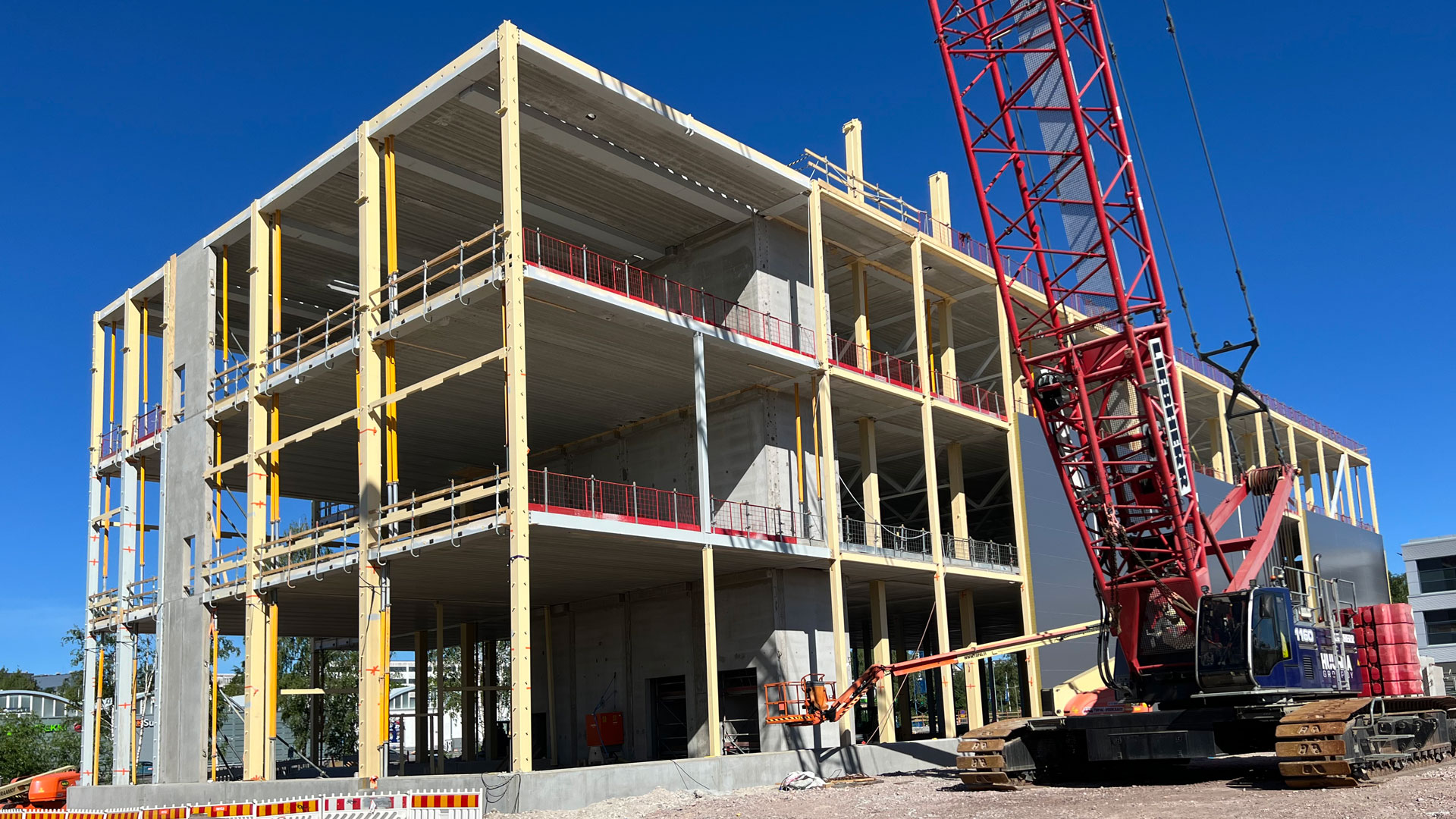
Is Virtual Vertical Integration Possible in the Construction Industry?
I just listened to a fascinating interview on Bricks and Bytes with Jan-Hendrik Goldbeck, co-CEO of Goldbeck. The interview inspired me to raise a provocative question: Could vertical integration, similar to that of Goldbeck’s, be achieved virtually, without creating an “asset-heavy” conglomerate? Vertically integrated construction Goldbeck GmbH has spent over 50 years establishing itself as…
-

Construction Industry Confronts Opioid Crisis and Mental Health Challenges
The construction industry is built on the strength of materials, structures, teams and individuals. Yet even the most resilient workforces are vulnerable to the challenges of today’s world. In recent years, the rise of drug overdose deaths across the United States has reached crisis levels, with Bexar County, Texas, home to San Antonio, seeing some…
-

Housing crisis at centre of Labour Conference as industry demands action
The housing crisis is set to take centre stage at the Labour Party Conference as industry leaders call for urgent government action. Developers warn that stalled approvals, rising costs, and regulatory hurdles are threatening the government’s target of 1.5 million homes. Ministers are being urged to reform planning, boost skills, and support first-time buyers to…
-

CLC calls on industry to share views on mental health
The Construction Leadership Council (CLC) has launched a consultation on measures to address and improve mental health in the industry. Construction workers are four times more likely to die by suicide than the national average. In the past decade, 7,000 sector workers have taken their own lives, according to data published by On The Tools. The…
-

ABC: Construction Industry Sheds 7,000 Jobs in August
The construction industry lost 7,000 jobs in August, according to an Associated Builders and Contractors analysis of U.S. Bureau of Labor Statistics data. Industry employment has grown by 58,000 jobs over the past year, a 0.7% increase. Nonresidential construction employment fell by 1,200 positions, with losses in building (–3,300) and specialty trades (–200). Heavy and…
-
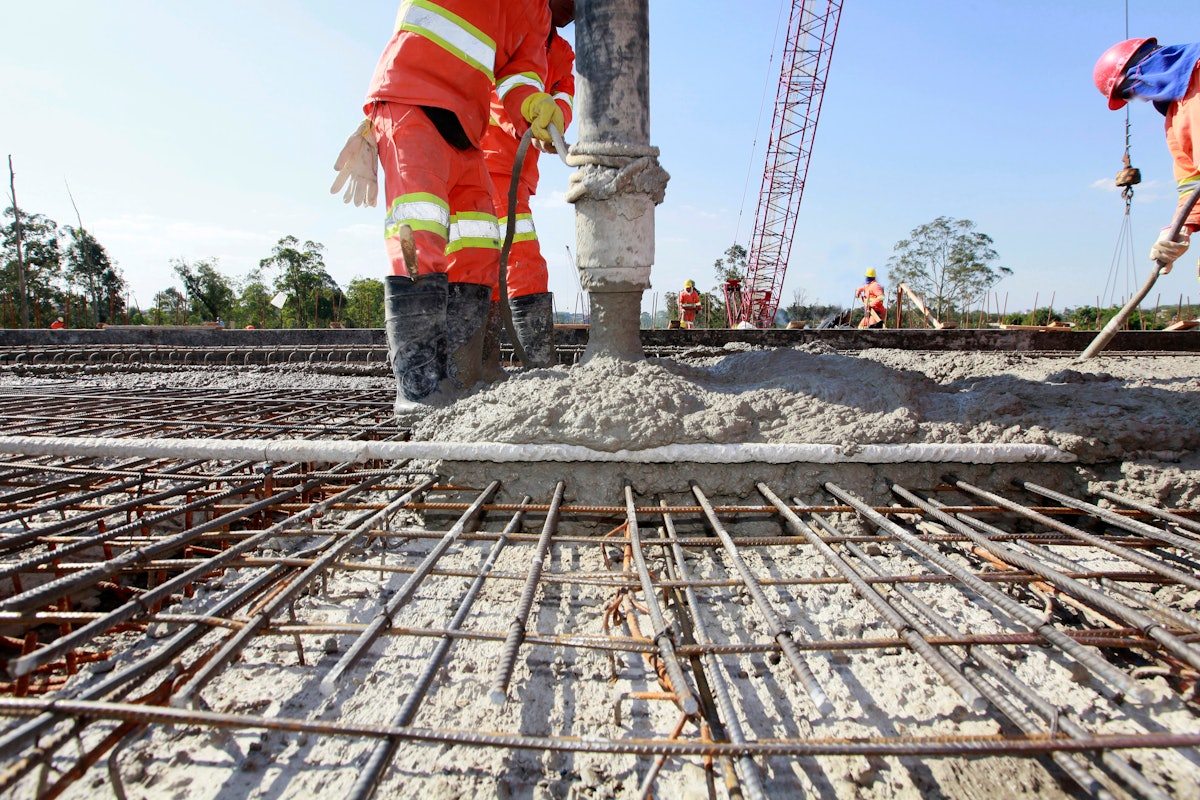
Transforming Concrete: State of the Concrete Industry
Innovation in measurement technologies is transforming how we understand and control concrete performance in real time. These technologies reduce reliance on manual testing and allow for data-driven decision-making, improving quality control and reducing material variability. By capturing material behavior throughout the full supply chain, this opens the door for significant optimizations. Complementing measurement technologies, optimization…