
Category: Walls & Ceilings
-
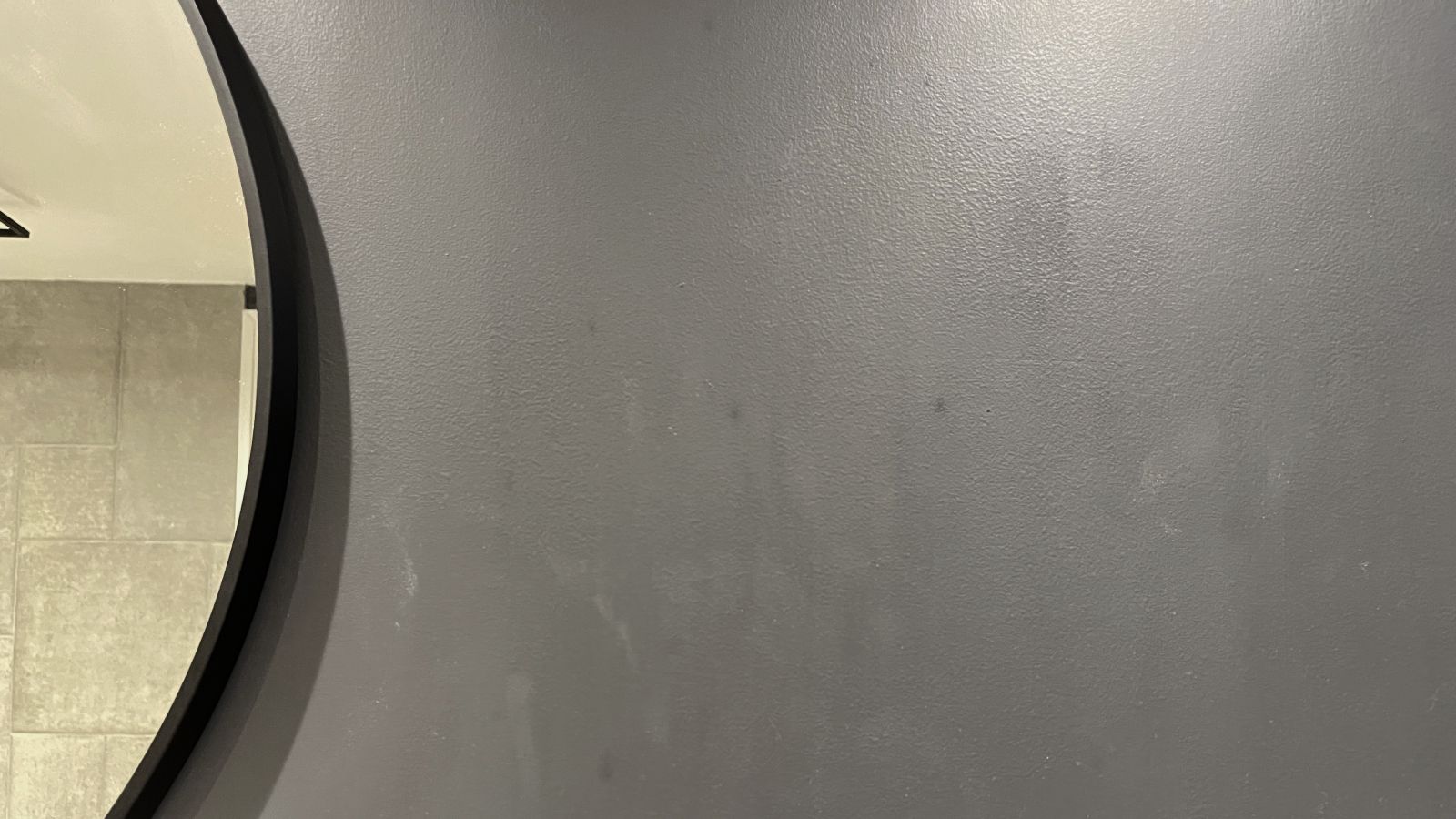
How to get rid of water streaks on walls
If you haven’t heard of surfactant leaching, you’re not alone. Neither had I until I started looking into why I had water streaks on my bathroom walls. I partly knew the reasons why, but wanted to make sure I wasn’t missing anything that could cause more damage in the long run such as damp. Plus,…
-

How to install coving to add a touch of period charm
Adding coving is a clever, subtle, and straightforward way to add character to a room. It softens the harsh straight edges where a wall meets the ceiling and introduces curves, depth, and definition. It also comes in a variety of styles and finishes. You can choose a simple, classic curved shape for modern homes, or…
-
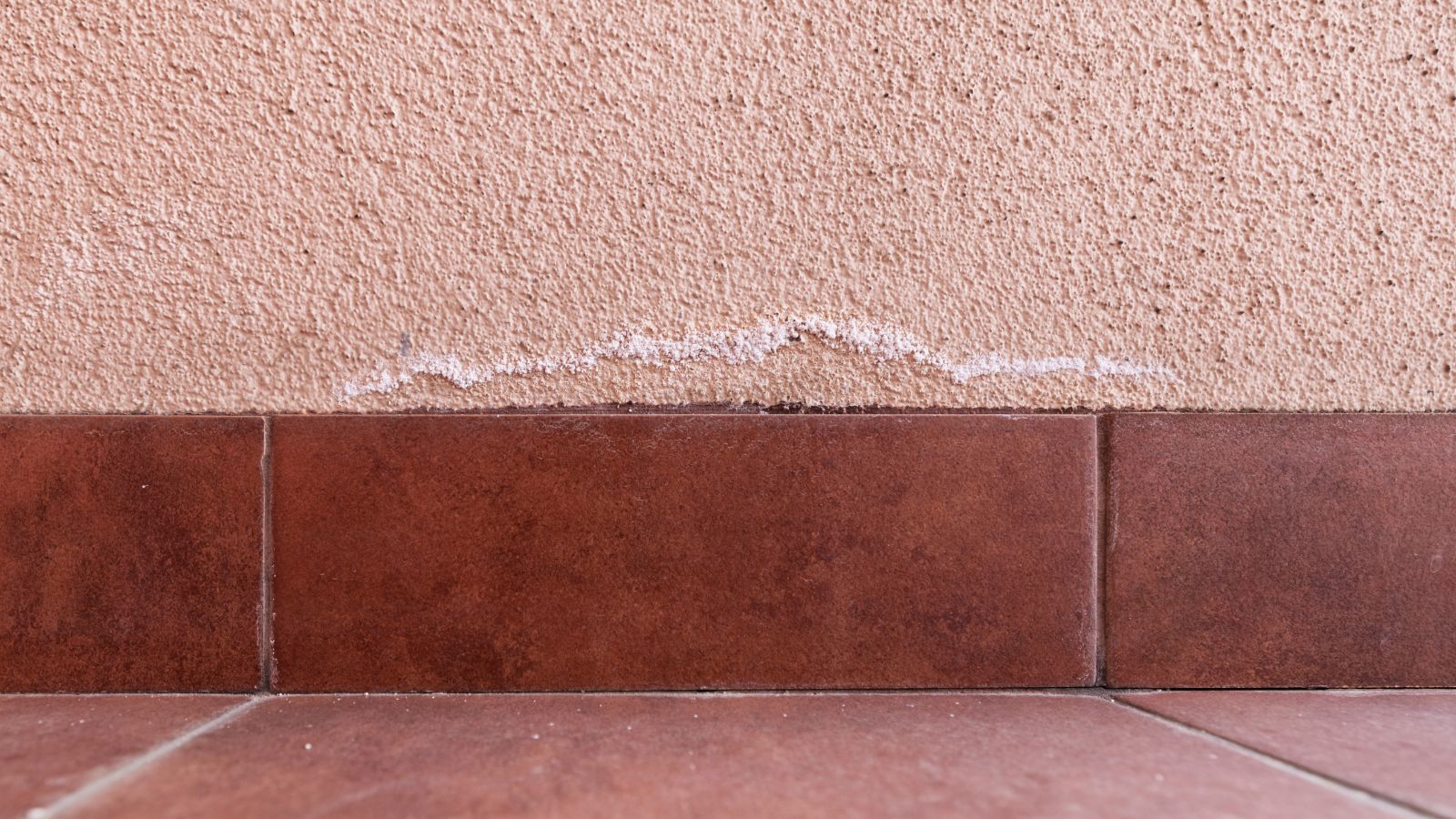
What is salt banding? How to treat damp walls properly
The first time you encounter salt banding on a damp wall, it’s easy to mistake it for mould – and in fairness, mould often follows soon after if the issue isn’t addressed. But salt banding is actually the result of salts being drawn up through the wall and deposited in a neat, horizontal line as…
-
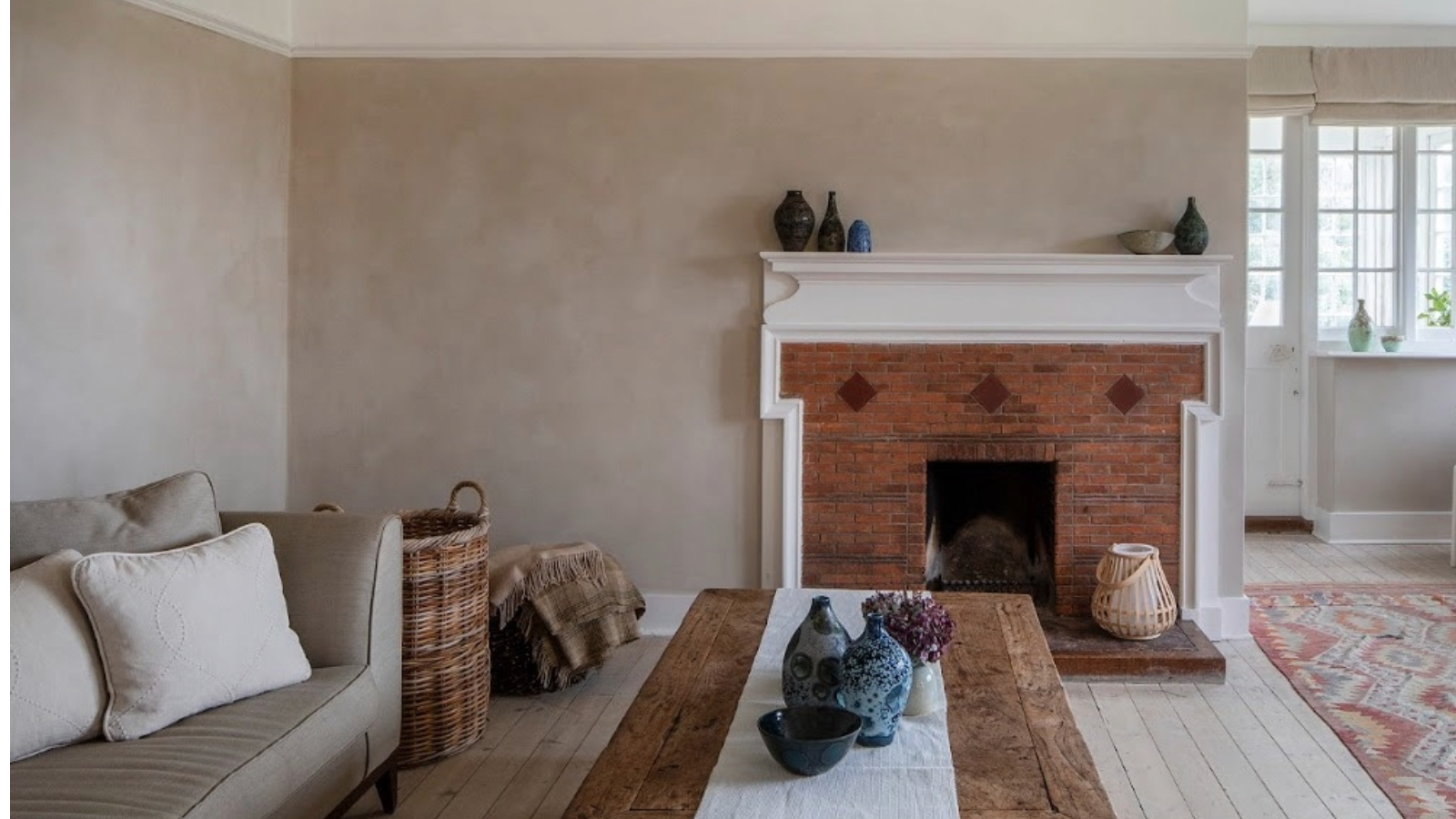
How to limewash walls: Step-by-step guide
With textured wall finishes on the rise, more and more people are wondering how to limewash their walls – and whether it’s really possible to achieve a professional look by doing it yourself. While it does require a fair amount of prep to avoid streakiness and around four coats to achieve full coverage, the good…
-
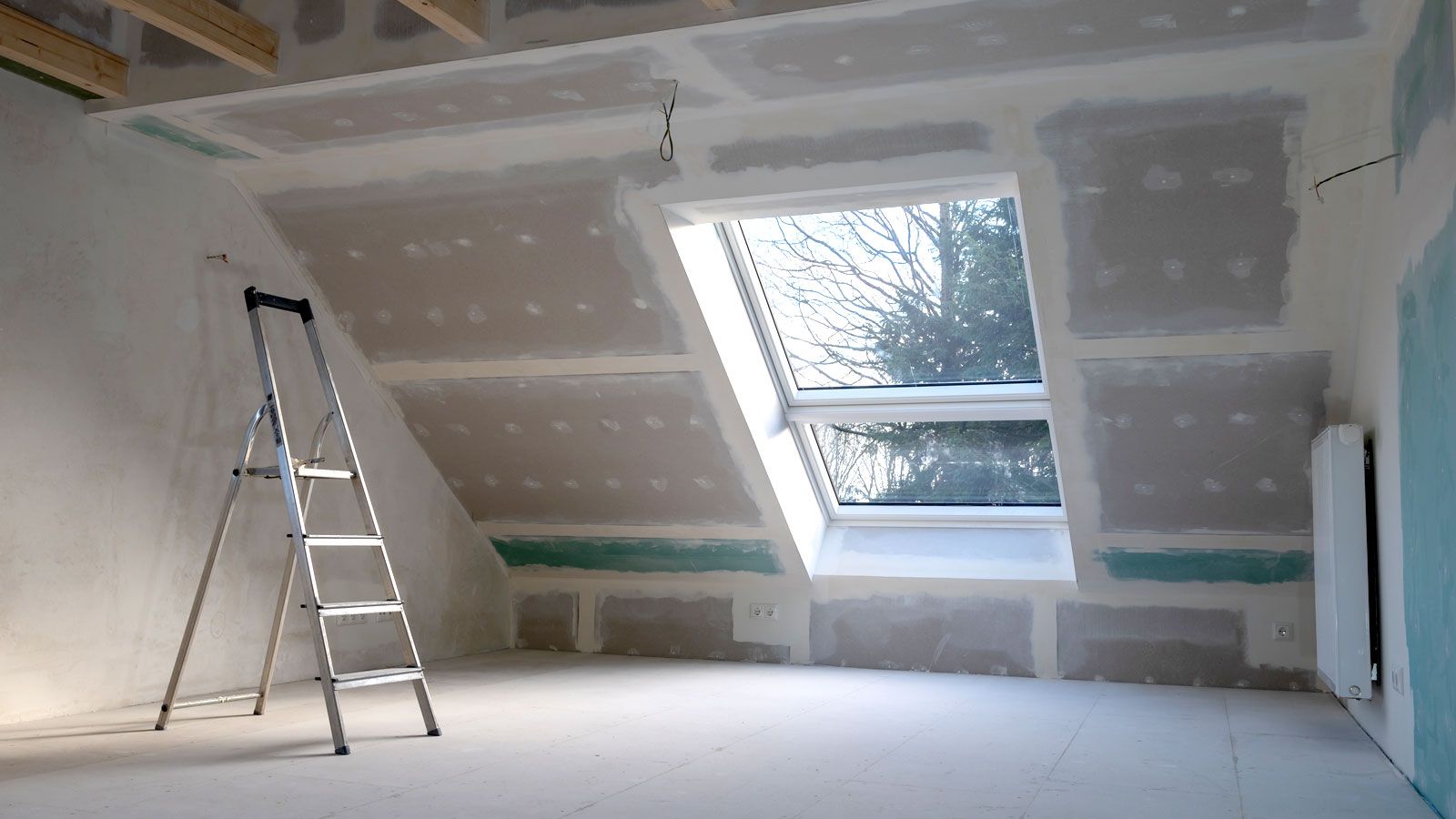
What is insulated plasterboard? How it can make your home warmer
If you’re looking for the answer to what is insulated plasterboard you’re in the right place. In easy-to-understand terms, it’s a smart, dual-purpose material that combines plasterboard and insulation into one neat package. It’s ideal for retrofits, renovations and conversions. Once fitted, you can select any type of plaster to finish, ready for painting or…
-
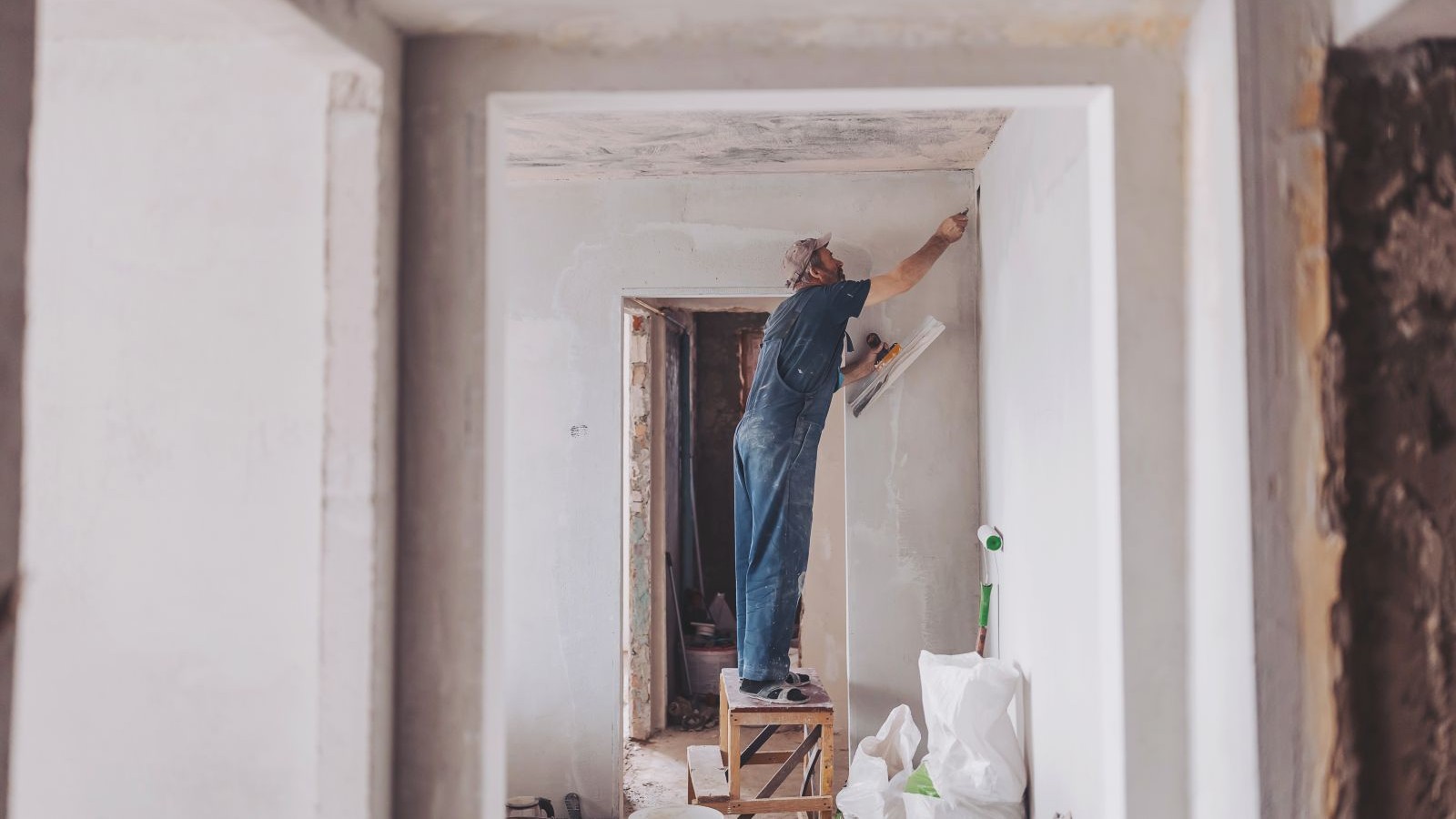
Roll-on plaster for walls: When it works and when it fails
Roll-on plaster for walls has become a popular choice for DIYers and professionals seeking a faster way to achieve a smooth, even finish. While it can save time and reduce mess compared with traditional skimming, it is not suitable for every wall or condition. Knowing when it works well, and the common mistakes that can…