
Category: Top Story
-
5 Modern Ways to Monitor Concrete at the Jobsite
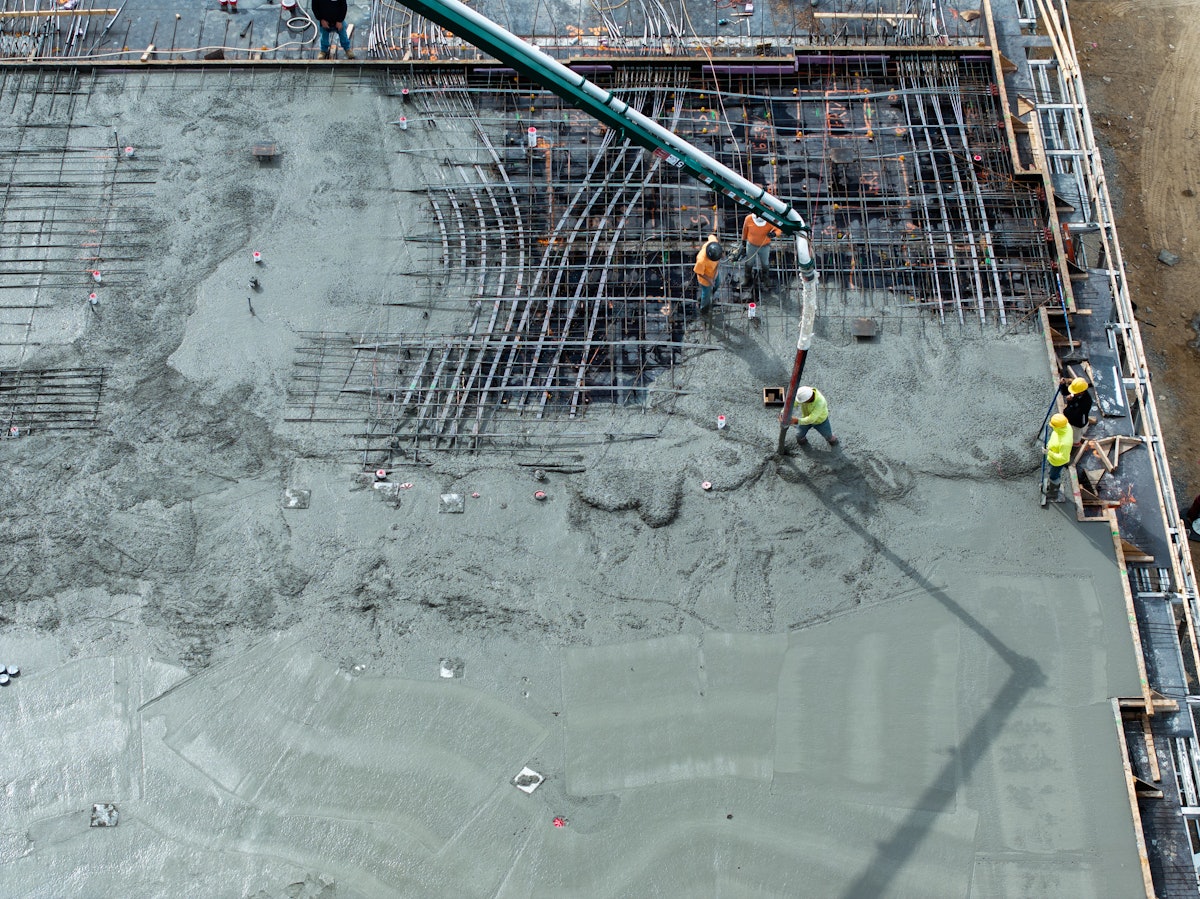
Concrete properties and quality testing are advancing as new technologies enter the industry. Traditional methods, such as break tests, remain widely accepted in standardized practices, but jobsites today demand precise and timely data. The most innovative projects now use digital tools that allow crews to monitor concrete workability and concrete strength continuously and in real…
-

Building Into Luxury Concrete | For Construction Pros
Let’s be honest, concrete isn’t going to be the number one response in a short list of decorative building material options for luxury construction projects. But, if you think about it, that mentality has been slowly changing. The context of luxury construction changes, reflecting the culture and time of the moment. For instance, in the…
-
Seismic Retrofitting Concrete – Q and A with Kyle Tourje of Alpha Structural Inc.
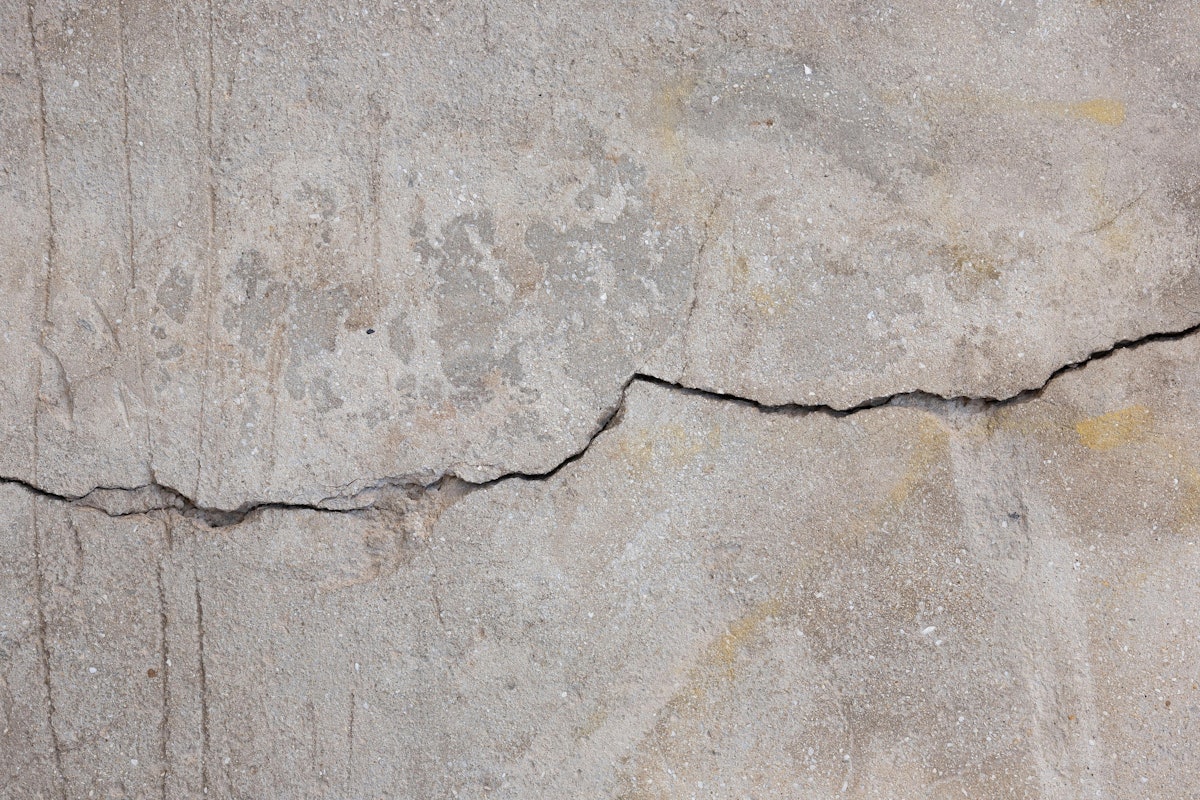
We all know concrete is a top construction material known for its compressive strength and durability. But over time, even the strongest placements can be affected by outside factors, like seismic activity and weather. Neglecting any foundation problems can lead to structural instability, failures, and very costly repairs. Concrete Contractor connected with Kyle Tourjé, executive…
-
5 Cold-Weather Concreting Myths Debunked
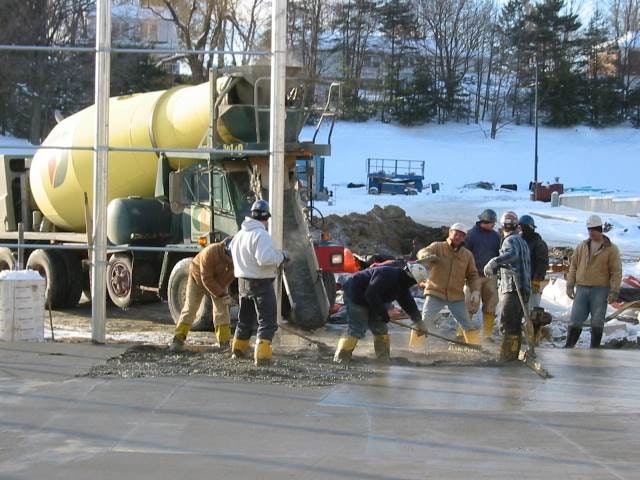
As temperatures drop, concrete contractors face a familiar dilemma: push through winter or shut down until spring. For decades, cold weather has carried an aura of risks like delayed set times, weak early strength, increased cracking, and scaling. But the truth is that cold-weather concreting is not inherently problematic. What undermines performance isn’t the climate…
-
5 Cold Weather Concrete Myths Debunked
As temperatures drop, concrete contractors face a familiar dilemma: push through winter or shut down until spring. For decades, cold weather has carried an aura of risks like delayed set times, weak early strength, increased cracking, and scaling. But the truth is that cold-weather concreting is not inherently problematic. What undermines performance isn’t the climate…
-
5 Cold Weather Concrete Myths Debunked
As temperatures drop, concrete contractors face a familiar dilemma: push through winter or shut down until spring. For decades, cold weather has carried an aura of risks like delayed set times, weak early strength, increased cracking, and scaling. But the truth is that cold-weather concreting is not inherently problematic. What undermines performance isn’t the climate…
-
Protecting Concrete from Freeze-Thaw Cycles
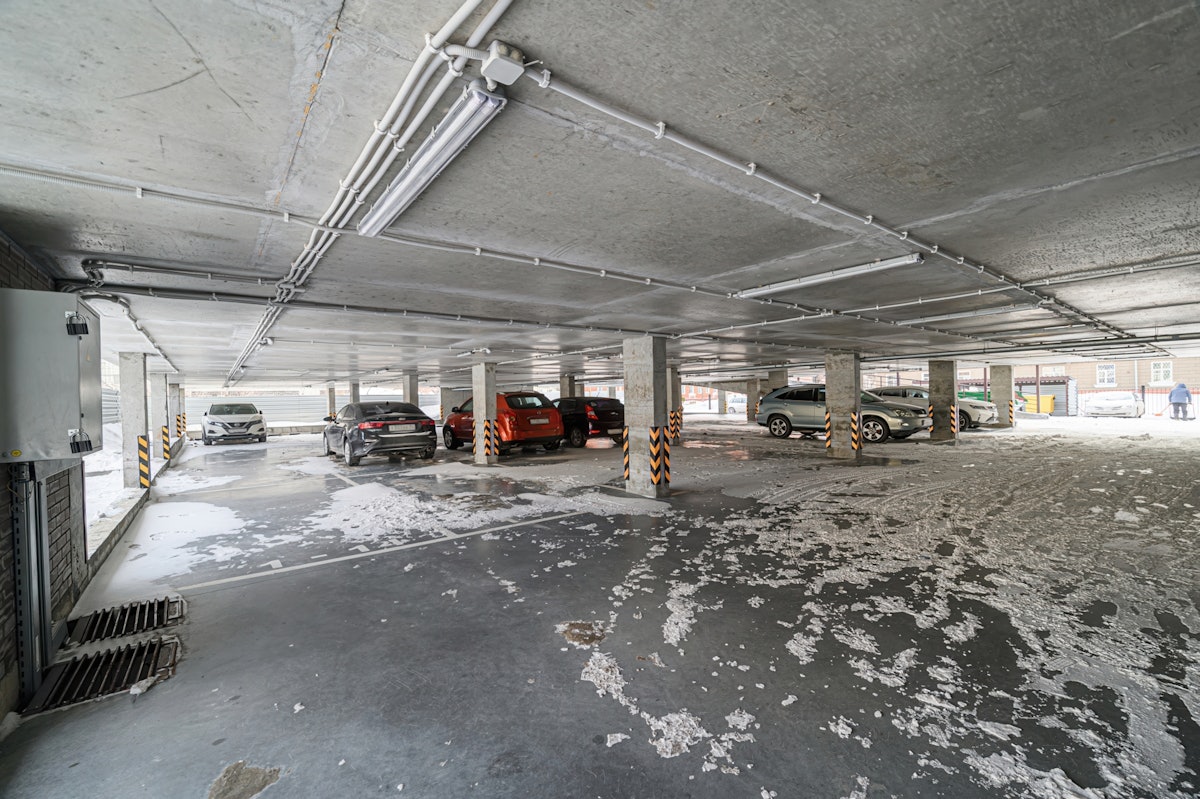
Winter is coming to the Northern Hemisphere. That means reinforced concrete bridges, parking garages, and buildings could be in for a wild ride on the “roller coaster” of freeze-thaw cycling. To minimize damage from these inevitable temperature swings, Cortec recommends taking the simple maintenance step of applying a water repellent at least once every ten…
-

Sounding Concrete: Detect Damage Before Repair
There are many ways to evaluate concrete in-place, from visual inspection to physical test methods in cases of concrete repair to full replacement. These techniques are often employed in the commercial concrete construction industry as directed, in most cases, by Licensed Design Professionals (LDPs). These same test methods of inspection and evaluation are just as…
-
How Asphalt Contractors Can Profit by Adding Crushing Operations
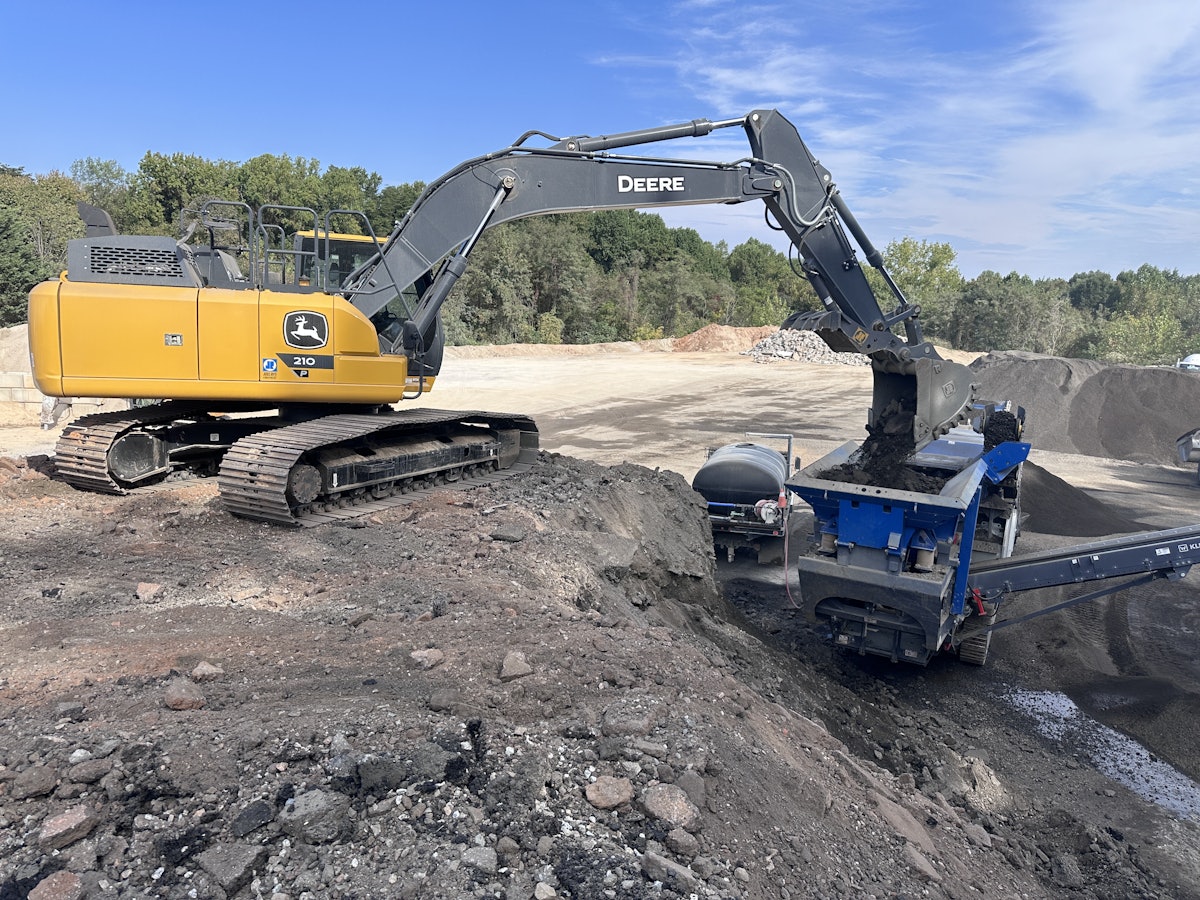
For many asphalt and pavement maintenance contractors, the piles of leftover millings, broken concrete, and truck washouts that accumulate over a season are seen as waste, a problem to be dealt with, material to be hauled away somewhere. In some areas this waste even comes with its own costs associated with dumping it. But a…
-
Why Concrete Joints Fail First & What to do About It
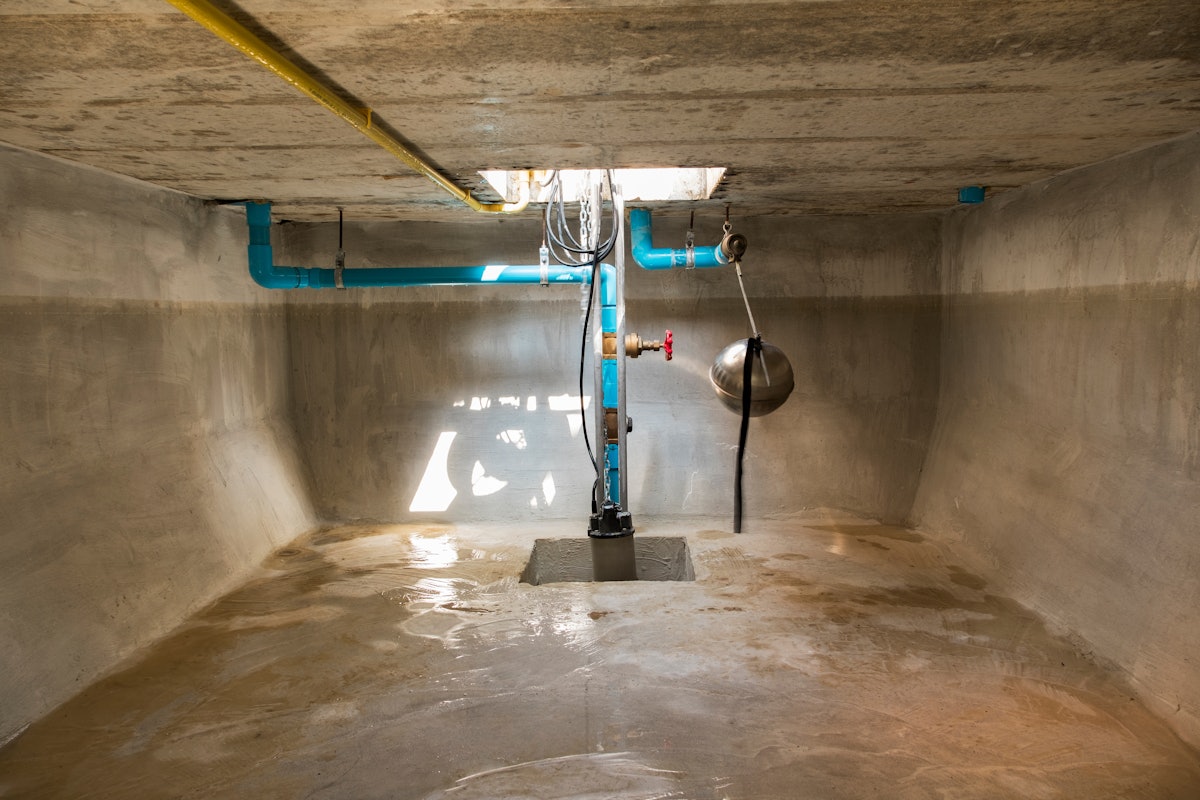
In liquid-bearing concrete structures, joints are where protective linings fail first. A monolithic film is asked to span a moving gap and stay bonded to both sides through thermal swings, settlement, hydrostatic loads, and start-stop operations. Over thousands of cycles, stress concentrates at the arris; micro-pinhole strings and edge-shear accumulate until the first callbacks show…