
Category: Personal Protection Equipment
-
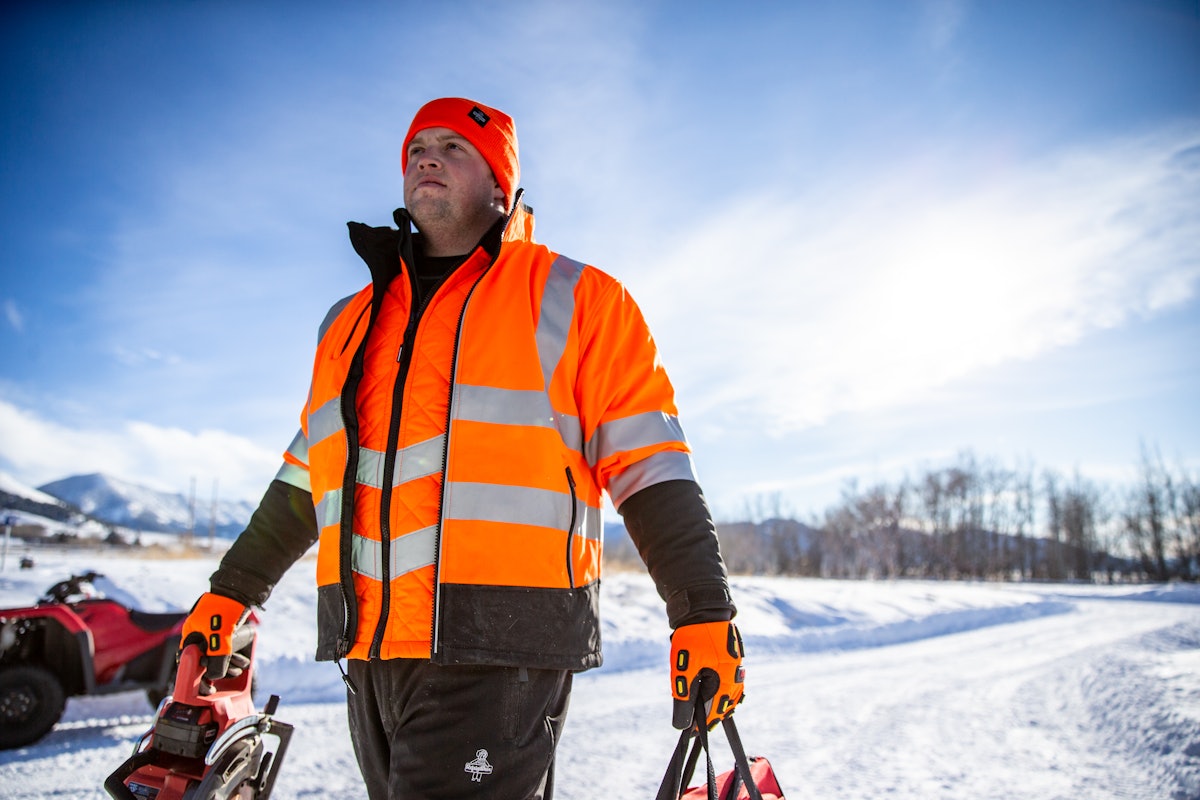
The Science of Staying Warm: How to Keep Construction Crews Safe, Warm and Productive in Cold Weather
Every jobsite has its hazards, but few are as underestimated as the cold. It creeps in quietly, draining focus and energy — until workers learn how to fight it with purpose. Despite the serious risk cold conditions pose on the job, many crews continue to layer up haphazardly, grabbing whatever looks the warmest without understanding…
-
The Science of Staying Warm: How to Keep Construction Crews Safe, Warm and Productive in Cold Weather
Every jobsite has its hazards, but few are as underestimated as the cold. It creeps in quietly, draining focus and energy — until workers learn how to fight it with purpose. Despite the serious risk cold conditions pose on the job, many crews continue to layer up haphazardly, grabbing whatever looks the warmest without understanding…
-
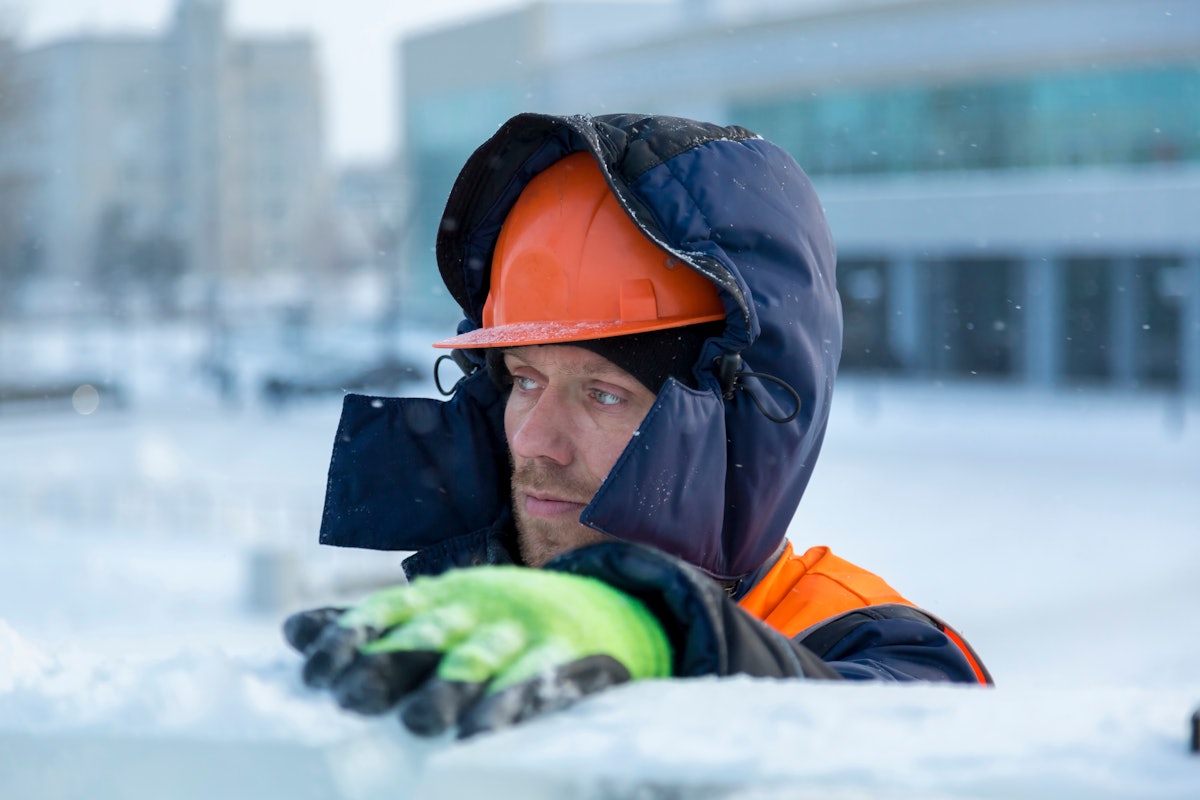
6 Must-Have Pieces of Cold-Weather Gear for Construction Crews This Winter
There are plenty of terms we all know when it comes to cold-weather hazards — hypothermia, frostbite, trench foot — but here’s one that doesn’t get as much attention: cold stress. According to the Centers for Disease Control, cold stress happens any time your body loses heat faster than it can make it. That can…
-

Don’t Get Spooked by Safety: 5 Frighteningly Common Jobsite Hazards
Halloween may come once a year, but some jobsite hazards haunt contractors all year long. From lurking trip hazards to shocking electrical risks, safety lapses can turn an ordinary workday into a real nightmare. Here are five common dangers to watch for — and how to keep them from creeping up on your crew. 1.…
-
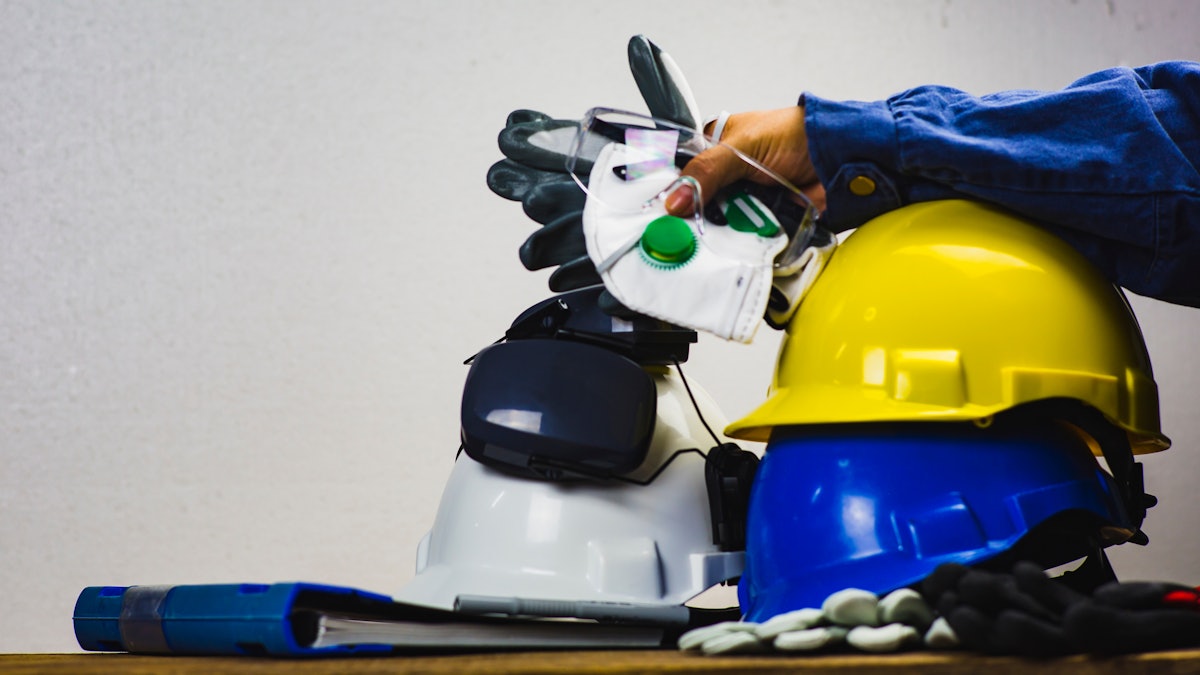
More Than Gear – What Construction PPE Is Really Protecting You From
On any jobsite, personal protective equipment (PPE) does more than meet a checklist — it’s the barrier between everyday hazards and serious injury. Whether it’s falling debris, excessive noise, or airborne dust, each piece of PPE plays a specific role in keeping contractors safe and productive on the job. Here’s a closer look at some…
-

How Safety Professionals Can Control Costs Without Compromising Worker Protection
Economic volatility and persistent financial pressures characterize the current economic landscape. Businesses across all industries are scrutinizing every expenditure, leading to widespread calls for belt-tightening and greater efficiency. One area where this scrutiny is especially evident is how organizations allocate resources for critical initiatives, including workplace safety. Healthcare costs are set to increase by 5.8-9%…
-
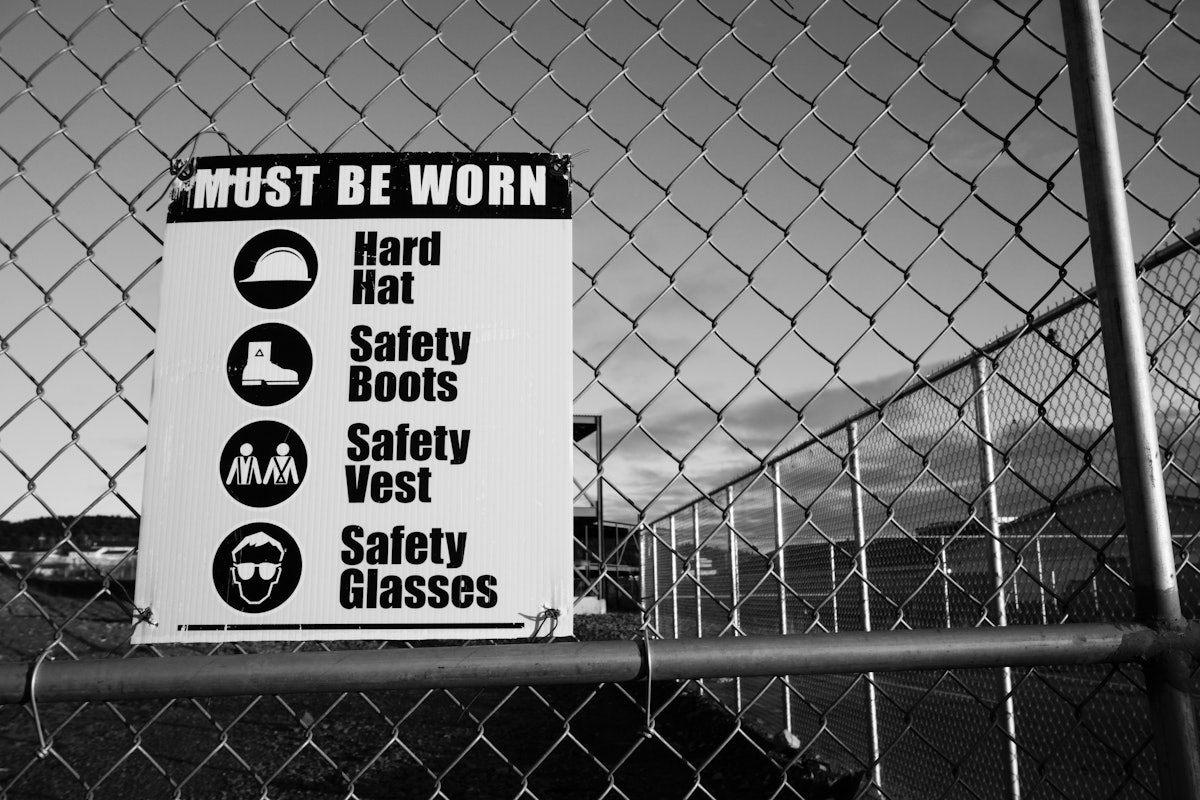
6 Tips to Build a Culture of Safety in Construction
In construction, safety isn’t something you check off a list during orientation. It’s a constant, evolving part of the job — no matter how long you’ve been in the industry or what role you play. Whether someone’s just getting started or has been on sites for decades, there’s always more to learn and reinforce. From…
-
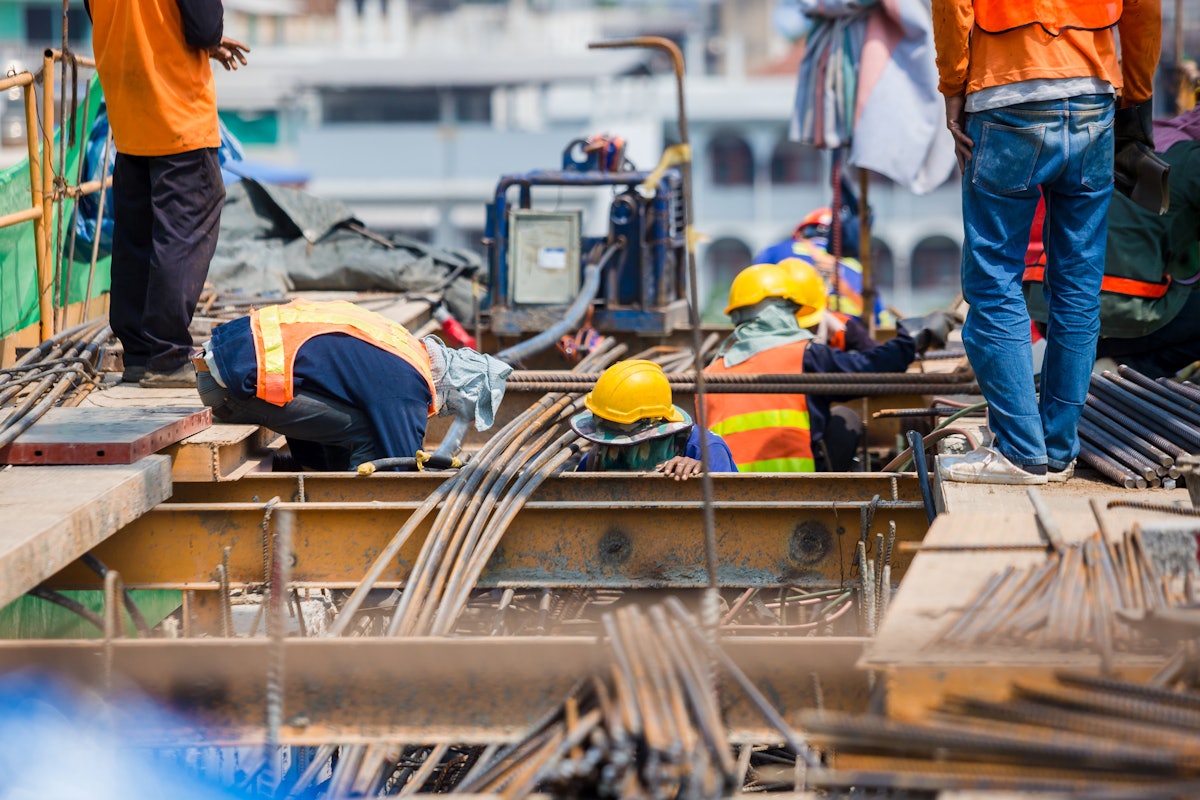
Addressing Head Protection and Rotational Motion in the Workplace
In today’s hazardous workplace, safety remains a top priority– especially in construction, which consistently ranks as one of the most dangerous industries. In 2023 alone, construction experienced 1,075 fatal work injuries, the highest of any private industry sector[1]. The fatal injury rate stands at nearly three times the national average, at 9.6 per 100,000 full-time…
-

Safety Tips for Equipment Rentals in Earth Drills
When it comes to operating a powerful earth drill, safety is key. Helping rental customers understand and implement safety measures can reduce the risk of injuries and help ensure a smooth, efficient digging process. From preparing the worksite and checking equipment to following proper operational procedures, here are key steps to help them maximize safety…
-
What OSHA’s PPE Rule Revision Means for Women in Concrete
Pouring concrete is dangerous work. Cement dust irritates the eyes, skin, and lungs. Holding a pump hose is hard on the hands. Tip-toeing across rebar is tough on the feet. Now, imagine trying to get that concrete poured while wearing floppy goggles, oversized gloves, an ill-fitting safety vest, and overly bulky work boots. That’s exactly…