
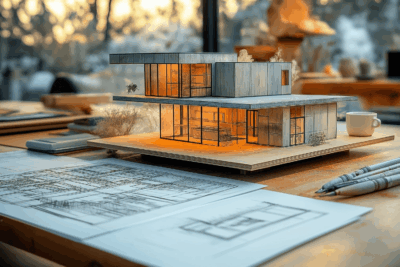
Crafting a custom home represents the pinnacle of personal expression in living spaces, merging individual lifestyle needs with architectural vision. The process can be an opportunity to embed intelligence, efficiency, and timeless style into the very foundation of a dwelling. For those embarking on this significant journey, a strategic approach that balances aspirational home design with pragmatic innovation is essential. This ensures the result is both aesthetically captivating and functionally resilient, adaptable to future needs.
Below are some tips for building smart and stylish spaces:
Prioritizing Functional and Adaptable Floor Plans
Style must be underpinned by substance. The most visually stunning home becomes a daily frustration if the layout doesn’t align with the inhabitants’ rhythms. Thoughtful space planning is the first critical step. It’s essential to consider the current needs and future possibilities, such as accommodating aging family members or creating flexible spaces that can evolve from a nursery to a study.
An open-plan living area might foster family interaction, but incorporating defined zones with subtle architectural cues maintains order and purpose. Prioritizing flow between indoor and outdoor areas, ensuring logical placement of rooms, and allocating ample storage are foundational elements that a stylish facade cannot compensate for if neglected.
However, navigating the complexities of such a project requires expert guidance. Collaborating with experienced professionals, such as Home Builders Perth or similar locations, can provide invaluable insights into local regulations, quality craftsmanship, and innovative solutions. Their expertise can ensure the initial vision is meticulously translated into a structurally sound and beautifully finished residence, setting the stage for all subsequent decisions.
Integrating Technology with Discretion
A truly smart home is one where technology serves seamlessly without dominating the aesthetic. This involves planning for robust and scalable infrastructure during the construction phase. Conduit for future cabling, centralized wiring panels, and strategically placed access points are modern essentials. Homeowners should focus on integrated systems that unify climate control, lighting, security, and audio-visual components into intuitive interfaces. The goal is to enhance comfort and energy efficiency, such as automated blinds that adjust for passive heating or lighting scenes that create ambiance, while keeping unsightly wires and bulky hardware out of sight. Technology should also feel like a natural extension of the home’s environment, not a jarring addition.
Selecting Materials for Durability and Character
Material selection defines both the tactile and visual experience of a home. The emphasis should be on longevity and low maintenance without sacrificing character. Durable hardwoods, natural stone countertops, and quality metal fixtures offer both resilience and inherent beauty. Texture plays a pivotal role in adding depth; combining smooth, polished concrete with rough-sawn timber or sleek tiles with woven textiles creates a rich sensory landscape.
Sustainable materials, like reclaimed wood or recycled glass, are also increasingly popular, offering a unique narrative and reducing environmental impact. These choices can ensure the home ages gracefully, developing a patina that enhances its style over time.
Maximizing Natural Light and Environmental Harmony
Architectural style is profoundly influenced by light. A smart design prioritizes abundant natural light, which improves well-being and reduces reliance on artificial energy. Strategic window placement, skylights, light wells, and the use of interior glass partitions can bathe a home in sunlight. This must be balanced with considerations for thermal performance, such as employing eaves for summer shade, selecting glazing with appropriate U-values, and orienting the home to leverage passive solar principles. This harmonious approach can create bright, airy spaces that are inherently energy-efficient, connecting occupants to the outdoors and the changing patterns of the day.
Emphasizing Crafted Details and Cohesive Finishes
The distinction between a standard and a stylish home typically lies in the details. Custom millwork, built-in cabinetry, and unique architectural features like arched doorways or coffered ceilings can add a layer of sophistication. Cohesion in finish selections, from door hardware to faucet designs, can establish a unified language throughout the home. A consistent, restrained palette for major elements allows for personality to be expressed through curated artwork, statement lighting fixtures, and furnishings. This layered approach can ensure the architecture provides a timeless backdrop for evolving personal style.
Investing in Quality Insulation and Building Envelope Integrity
A home’s intelligence is deeply rooted in its performance, which begins with elements unseen. A superior building envelope, comprising high-quality insulation, advanced air sealing, and high-performance windows, is a non-negotiable investment for a smart custom home. This “thermal blanket” is crucial for maintaining consistent indoor temperatures, drastically reducing energy consumption for heating and cooling, and ensuring long-term comfort.
Beyond energy savings, a tight envelope can help improve indoor air quality by controlling ventilation and mitigating moisture intrusion, which protects the structural integrity of the home. Prioritizing these fundamentals during the sustainable construction is far more effective and cost-efficient than retrofitting later, forming an invisible yet critical layer of the home’s overall design of intelligence and sustainability.
Designing Purposeful Outdoor Living Extensions
Stylish and smart living extends beyond the interior walls to the integrated outdoor spaces. Treating patios, decks, courtyards, and landscaped areas as purposeful “rooms” significantly enhances the functionality and perceived square footage of a home. This involves considering flow, privacy, and intended use. Features such as covered alfresco kitchens with durable finishes, built-in seating around fire pits, or serene garden nooks can create destinations for relaxation and entertainment.
Smart irrigation systems, strategic native planting for shade and privacy, and exterior lighting on automated controls can further blend home styles with practical management. This seamless integration can encourage a connection with nature and provide versatile spaces for daily enjoyment, effectively making the entire property more livable and valuable.
Final Thoughts
Building a custom home is a deliberate act of creation. By keeping the information mentioned above in mind, homeowners can achieve a residence that is intelligently crafted for modern living and stylistically poised to stand the test of time. The result is a deeply personal sanctuary that perfectly aligns form with function.
View the original article and our Inspiration here
Leave a Reply