
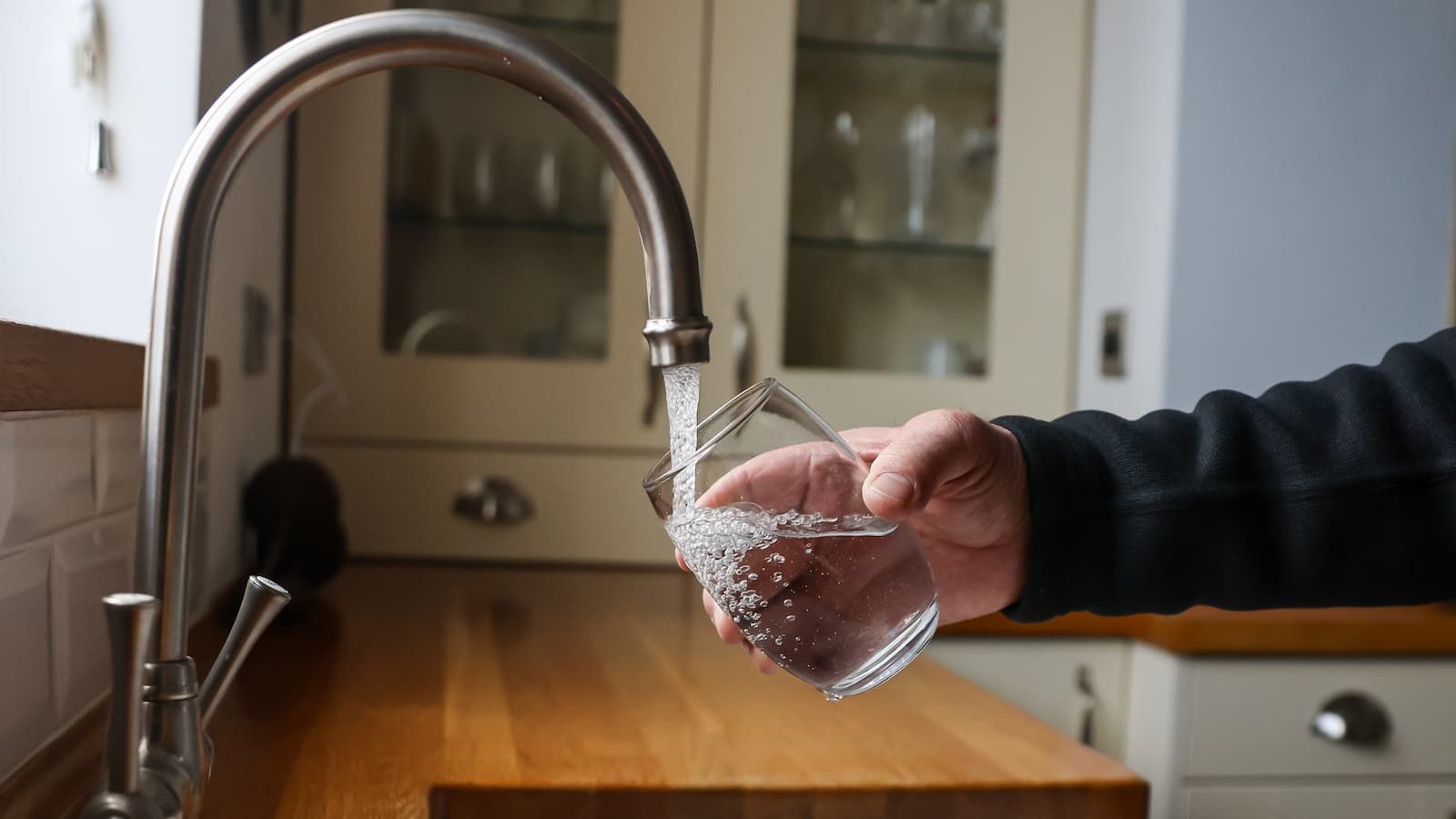
Households across the UK could benefit from up to £125 million in combined water and energy savings over the next decade as part of a major government overhaul of the water system.
The reforms introduce a new single regulator, stricter inspections and proactive maintenance of pipes and treatment works to prevent outages.
The introduction of smart water meters and appliance efficiency measures aim to provide practical help with water bills, allowing households to track usage and cut costs.
Major reforms to the UK water system
The Water White Paper sets out wide-ranging reforms aimed at improving accountability, infrastructure reliability, and environmental protection.
Key measures include:
- A new single regulator with powers to inspect water companies directly, including no notice inspections.
- A Chief Engineer inside the regulator to provide technical oversight of pipelines, pumps and treatment works.
- MOT-style infrastructure checks requiring proactive maintenance to identify and fix problems before they disrupt households.
- Dedicated supervisory teams for each water company, replacing a one-size-fits-all approach and enabling tailored monitoring.
- Smart water meters and mandatory efficiency labels on appliances such as dishwashers and washing machines to help households monitor water use.
- Environmental measures, including improved storm overflow management, sustainable drainage and phosphorus removal from wastewater.
These reforms aim to prevent service failures and disruption that have affected communities in recent years while ensuring a more resilient water system.
How the reforms could help save household bills
The reforms are expected to deliver £125 million in combined water and energy savings over the next decade through smart water metering and efficiency measures.
Proactive maintenance and infrastructure inspections are designed to reduce emergency repairs and service disruptions, which can drive up costs.
Despite these long-term savings, reports from Ofwat show that water bills have been rising due to record investment, maintenance and climate pressures, sometimes by more than 20% in affected areas.
These reforms are intended to stabilise costs in the long term while improving reliability for households.
‘Once-in-a-generation reforms’
Environment Secretary Emma Reynolds described the measures as “once-in-a-generation reforms for our water system – tough oversight, real accountability, and no more excuses.”
She added that “water companies will have nowhere to hide from poor performance, customers will get the service they deserve, and investors will see a system built for the future.”
The reforms build on previous government action, including record investment in infrastructure and measures such as banning unfair bonuses for water company executives.
While the programme aims to improve reliability, enforce stricter accountability and prevent disruptions, households may still experience high water bills as companies upgrade ageing infrastructure and comply with the new regulatory standards.
View the original article and our Inspiration here
Leave a Reply