
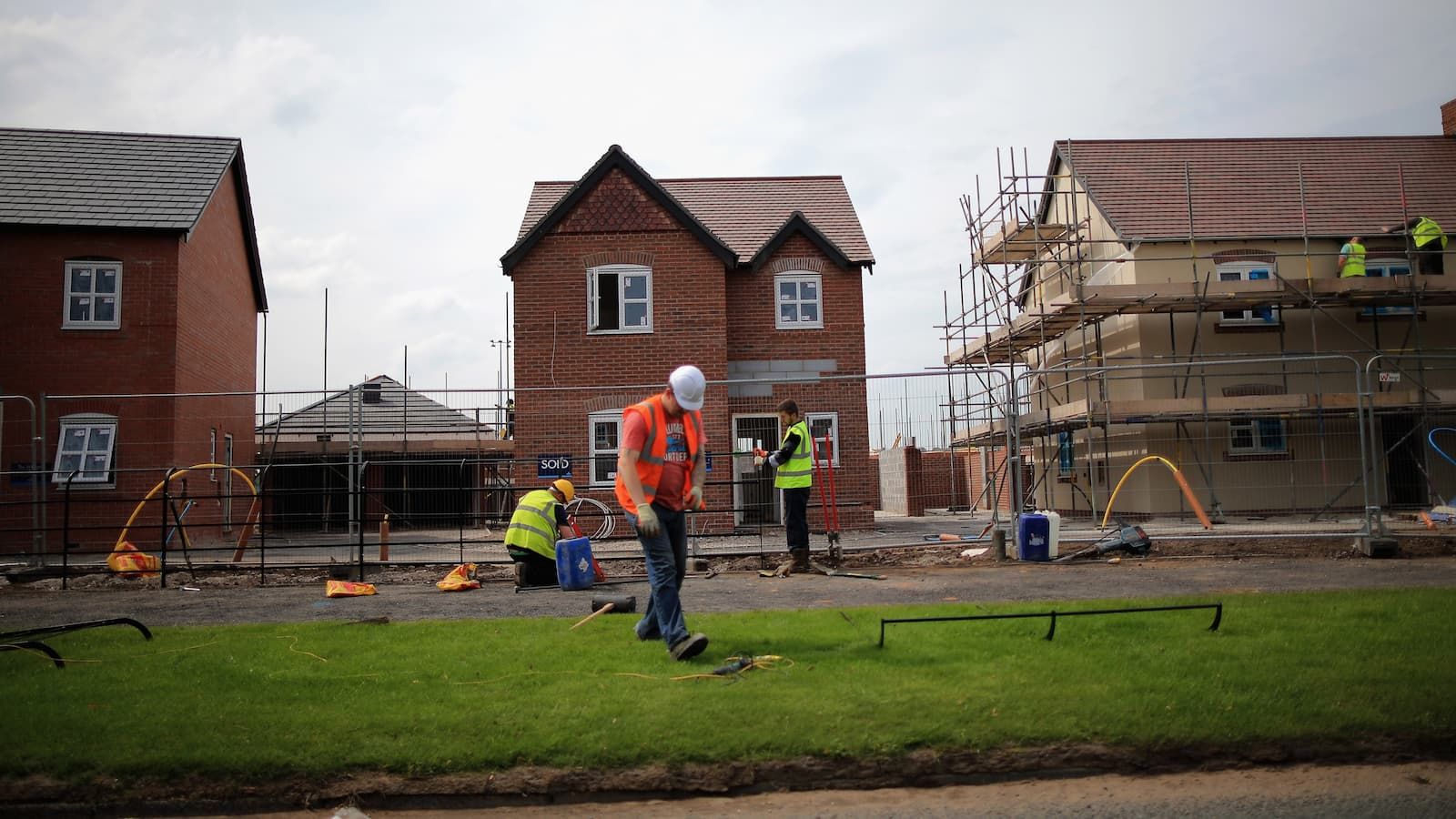
UK housebuilder Taylor Wimpey has warned that demand for new homes remains “muted,” even as affordability improvements and planning reforms gather pace.
The company reported higher completions in 2025 but expects lower profit margins and a smaller order book in 2026, signalling caution for the sector.
That outlook comes amid broader signs of subdued buyer activity across the UK housing market, which is causing developers to question whether building new homes is profitable enough.
Muted demand and what it means
Taylor Wimpey completed 11,229 homes in 2025, including 2,220 affordable units, and saw average house prices rise to around £374,000.
Yet CEO Jennie Daly said: “While affordability is slowly improving, demand continues to be muted, particularly among the important first‑time buyer category, which will constrain overall sector output.”
Market surveys back this up as the Royal Institution of Chartered Surveyors (RICS) reported continued weak buyer enquiries in late 2025, even as some sentiment indicators improved, suggesting that activity remains below long‑term norms.
Financial pressures and weaker margins
Despite a “solid performance” in completions and revenue in 2025, Taylor Wimpey has signalled that operating profit margins are set to fall further in 2026.
Its order book value declined to around £1.86 billion from nearly £2 billion last year, and slower bulk‑sale pricing has compounded margin pressure.
Shares in the firm fell sharply in early trading after the warning, reflecting investor concern over the weaker prospects for near‑term profitability in the housebuilding sector.
Rising construction costs and higher interest rates have also contributed to the tighter margins, highlighting the financial pressures facing UK housebuilders this year.
Other developers also concerned
Taylor Wimpey’s cautious outlook isn’t isolated. Other industry players such as Foxtons and Savills have also echoed broader market uncertainty, with estate agents pointing to slower transaction volumes and pre‑budget disruptions last year.
Data from RICS emphasises this broader trend showing that buyer activity remained in negative territory in late 2025, though expectations for modest improvement have risen modestly heading into 2026.
Government planning reforms aim to speed up approvals and boost housing supply, but analysts caution that planning improvements alone will not immediately reverse demand weakness, particularly if affordability constraints persist for first‑time buyers.
View the original article and our Inspiration here
Leave a Reply