
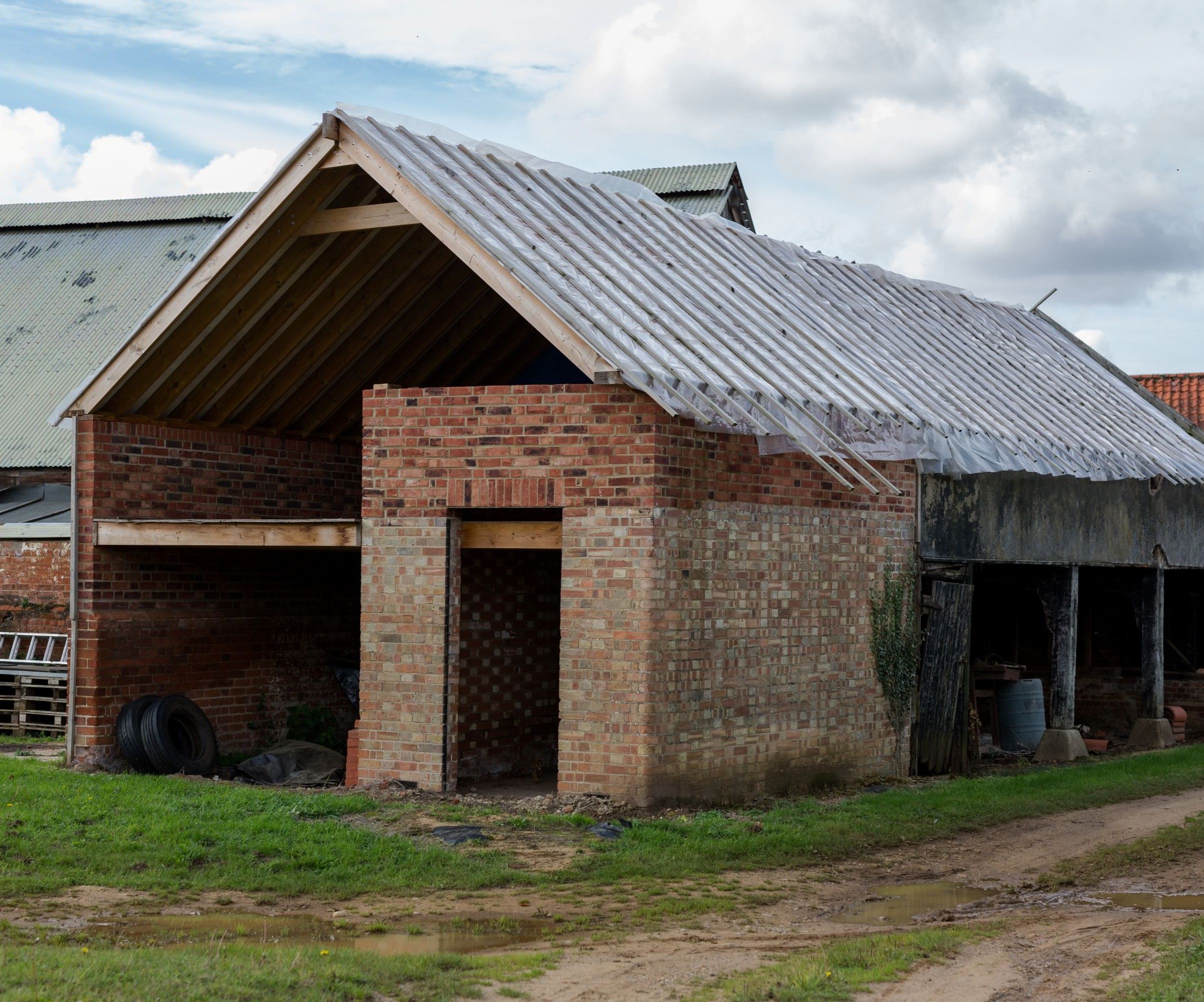
Barn conversions can be magical places to live, with beautiful old timbers, soaring spaces, and the sense of history that you just don’t get with a new self build.
But they’re also notorious for being expensive, complicated, and full of nasty surprises that even seasoned developers underestimate. If you’re considering taking on a barn, it’s worth knowing the warning signs that might mean the project simply isn’t viable.
Here are 15 warning signs that should make you think twice before converting a barn.
1. The structure is in a far worse state than it looks
Barn conversions usually require extensive work to the structure. If the structural members are bowing, the walls leaning outward, or the roofline sags, what started out as a renovation may actually require full reconstruction.
Crumbling mortar, large cracks in masonry, or walls that move when pushed are all telltale signs of structural weakness. Add in undersized beams and poor repairs to building elements, and you could be looking at extensive structural re-engineering before you even think about converting it, so don’t make this barn conversion mistake.
2. There’s extensive rot or pest infestation in the timbers
It’s not unusual for barns to have the odd soft spot in a beam. But if there’s widespread rot, deep fungal decay, or extensive woodworm, making repairs could turn the project into a money pit.
Treating a few timbers is fine, but replacing half of the historic oak frame is an entirely different story, and the cost of extensive repairs could make the project unviable. And even if that isn’t a problem, you’ll still need to source the materials and deal with any planning issues that may arise.
3. The foundations are practically non-existent
Traditional barns were built on little more than stones laid on earth. Even modern barns will have relatively small pad foundations below each stanchion. This is probably fine for storing hay, but it’s not remotely adequate for a residential home.
If you discover subsidence, settlement and major cracks in walls and foundations, you could be facing extensive costs for underpinning. Furthermore, underpinning an irregular, historic structure is far more complicated than dealing with a modern house or extension and the cost of sorting the foundations could ruin the viability of the whole project.
4. The roof requires a major rebuild
Old barns often have sagging roofs, missing tiles, and daylight shinning through the slate tiles and rafters. Whilst this should be expected, major structural movement of the roof structure is a major concern.
If the roof needs a major rebuild including the roof coverings, trusses and structural timbers, it becomes difficult to argue that it’s a conversion rather than a new build. Even if the roof repairs are possible, providing structural support via old decaying walls then becomes the concern, and could result in a complete rebuild rather than conversion of the existing structure
5. Meeting modern thermal standards without destroying the barn’s character
Barns aren’t designed to be warm and many have single-skin stone walls, thin weatherboarding and no insulation. To meet building regulations requirements, thick layers of insulation, membranes, and ventilation voids will be needed in your barn conversion design. But once you insulate internally, you may lose the beautiful exposed timbers or have to increase the height of ground bearing floors
External insulation isn’t usually an option due to planning constraints regarding heritage or visual impact concerns. If insulating the building properly fundamentally undermines its charm, you may end up with the worst of both worlds: an expensive home that doesn’t look or feel like a barn anymore.
6. Strict listing or planning restrictions
If the barn is listed, especially Grade I or Grade II, be prepared for a long, expensive, and sometimes frustrating development journey. Historic England, conservation officers, and planning authorities will impose restrictions on alterations to the building fabric, window openings, replacement of period features and timbers.
If the barn has extremely high heritage value, you may not even be allowed to make changes that are essential to its conversion.
7. Risk of winning planning approval
Some barns can be converted under Class Q permitted development, but many cannot, especially if there within an area of outstanding beauty. If this is the case, you’ll need full planning permission which can be slow and risky to secure.
Major red flags include:
- Increasing the size and volume of the building.
- Structural rebuilding that planners may deem unacceptable
- Large extensions
- Changes to the roof pitch
- Creating too many new openings which could present light blight
8. The barn is enormous and far bigger than your budget allows
Big barns look exciting, but they can be financially ruinous. Their sheer scale along with large spans, tall walls, and extensive footprint all translate into higher conversion costs.
Heating a barn conversion can be expensive as they are usually huge open spaces and double-height glazing costs much more than standard windows. And the work required to finish and fit out the interior only drives the budget even higher.
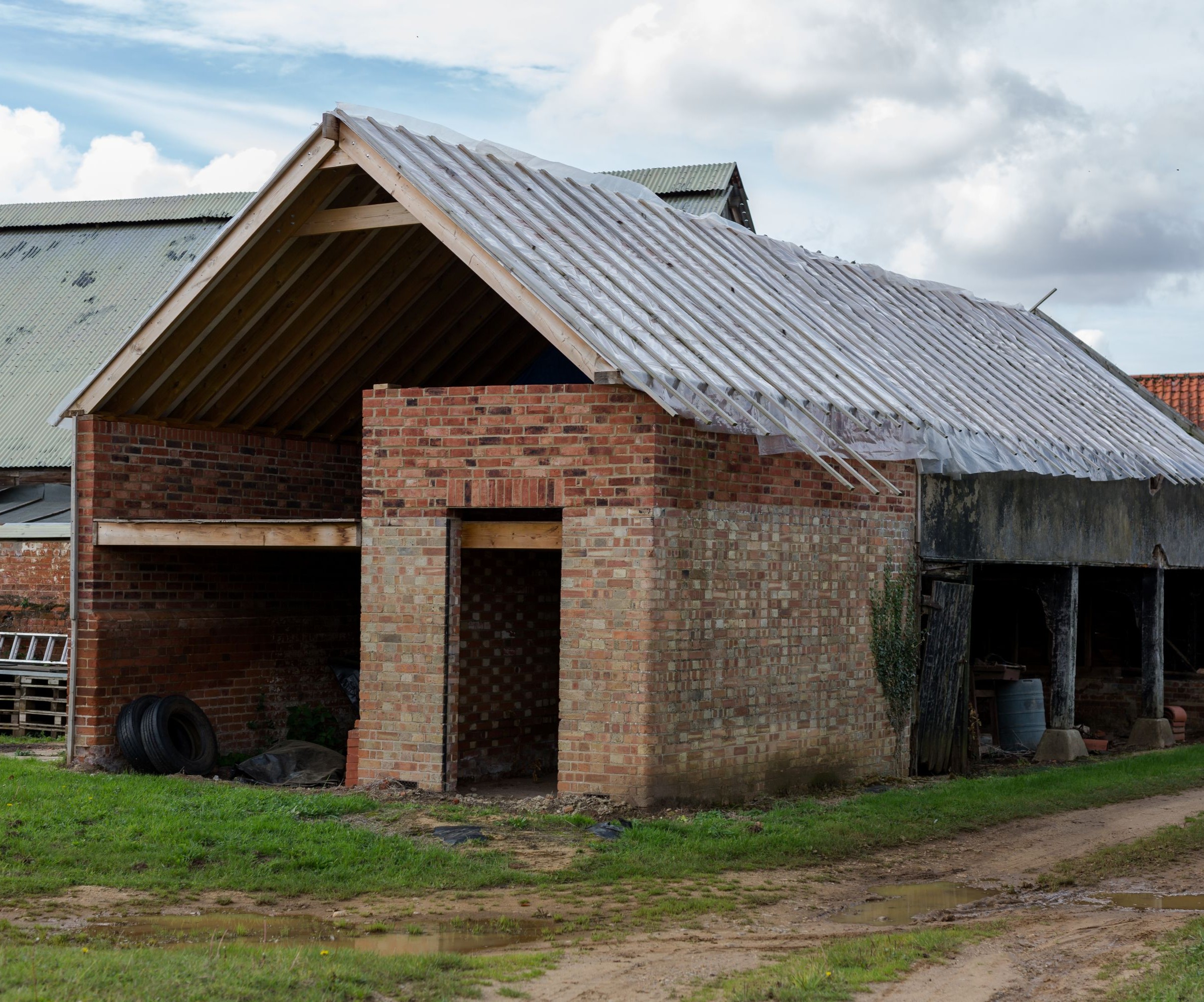
9. The natural daylight is terrible and difficult to improve
Many traditional barns were built with small window openings to keep the weather out and keep crops protected. This can create a problem when it comes to creating a home suitable for modern living.
If the barn has few existing window openings and planners won’t allow many new ones, the finished project will have dark interiors and a reliance on artificial barn conversion lighting. North facing barns with small openings can feel particularly gloomy, and adding rooflights as barn conversion windows might be the only option to find daylight.
10. Access is dangerously poor or too expensive to fix
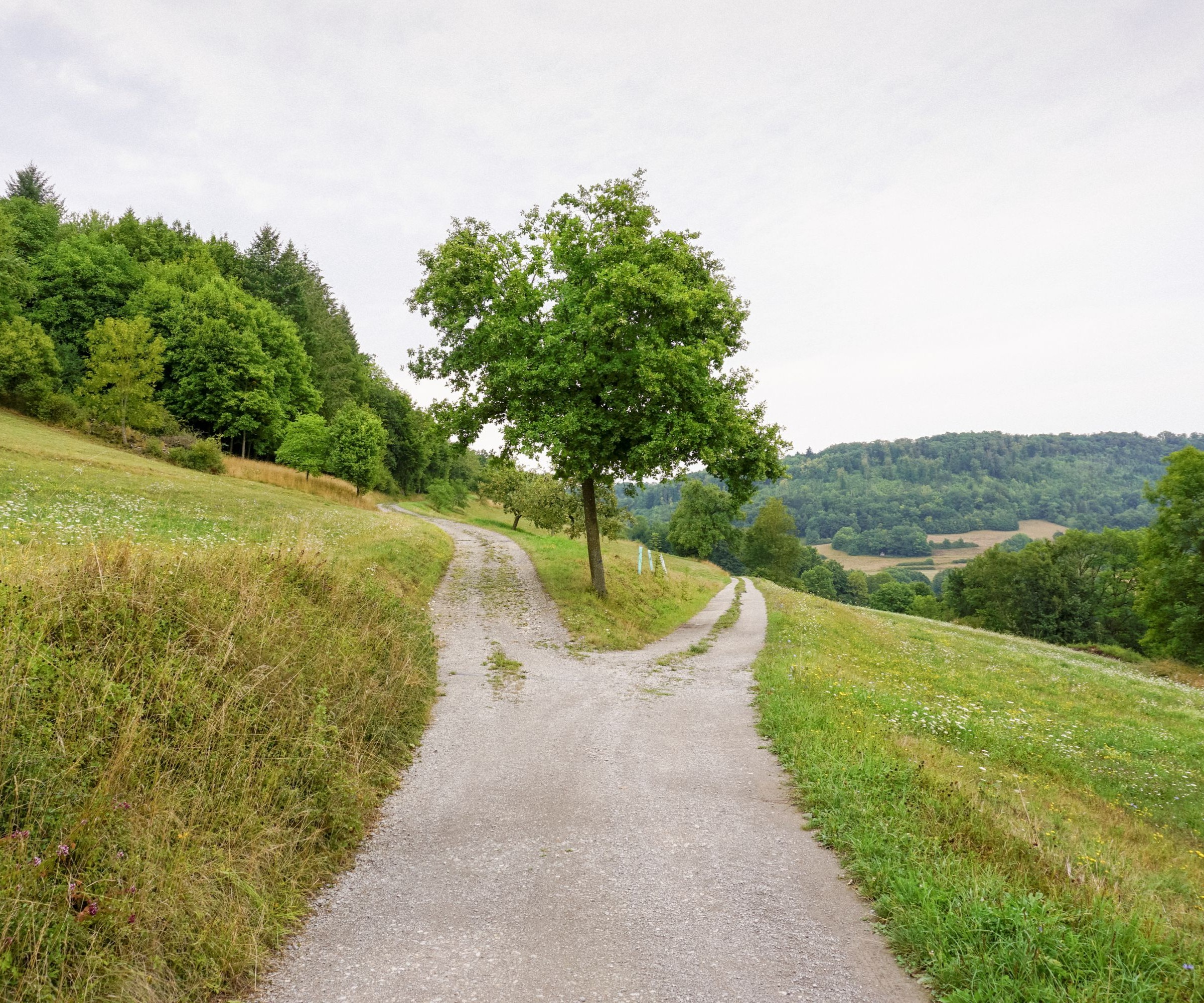
As with any self build project, access problems can stop a barn conversion in its tracks. If the access road is narrow, steep, muddy, or shared with a famer, construction becomes difficult and daily living an inconvenient reality
Upgrading access roads or negotiating rights of way can be costly, and if the route in is fundamentally unsuitable, the barn may simply be in the wrong place.
11. The barn is too close to existing farming activities
Many people love the idea of rural living, but few appreciate how noisy and smelly working farms actually are. Proximity to livestock, slurry pits, or active yards create issues such as noise, excessive dust and bad smells.
Planners will also consider whether your presence would restrict ongoing farm operations and whether it’s a suitable place to live. Their view maybe that it simply isn’t suitable for making into a new home.
12. Services connections will cost a fortune
This is one of the most common and underestimated barn conversion killers. Isolated barns often lack mains water, electricity, mains drainage and high-speed broadband.
Laying services across fields or private land will be very expensive and likely to have legal restrictions. Whilst there are options such as treatment plants, PV’s and Elon’s Starlink. The final solution might not be that reliable or appealing to future buyers.
13. Environmental or contamination risks
Some barns sit directly in flood zones, beside rivers, or on low-lying land. New dwellings in flood risk zones will be expensive to insure and could be unacceptable in planning terms.
Contamination is another major red flag, especially if the barn has asbestos or sits on land previously used for chemical or fuel storage. Intensive farming and whether the farmers been a bit thrifty when disposing of rubbish might also cause contamination and development problems
Treating contamination – particularly hydrocarbons – can require expensive excavation and remediation which may not be financially or practically sensible.
14. The presence of protected species
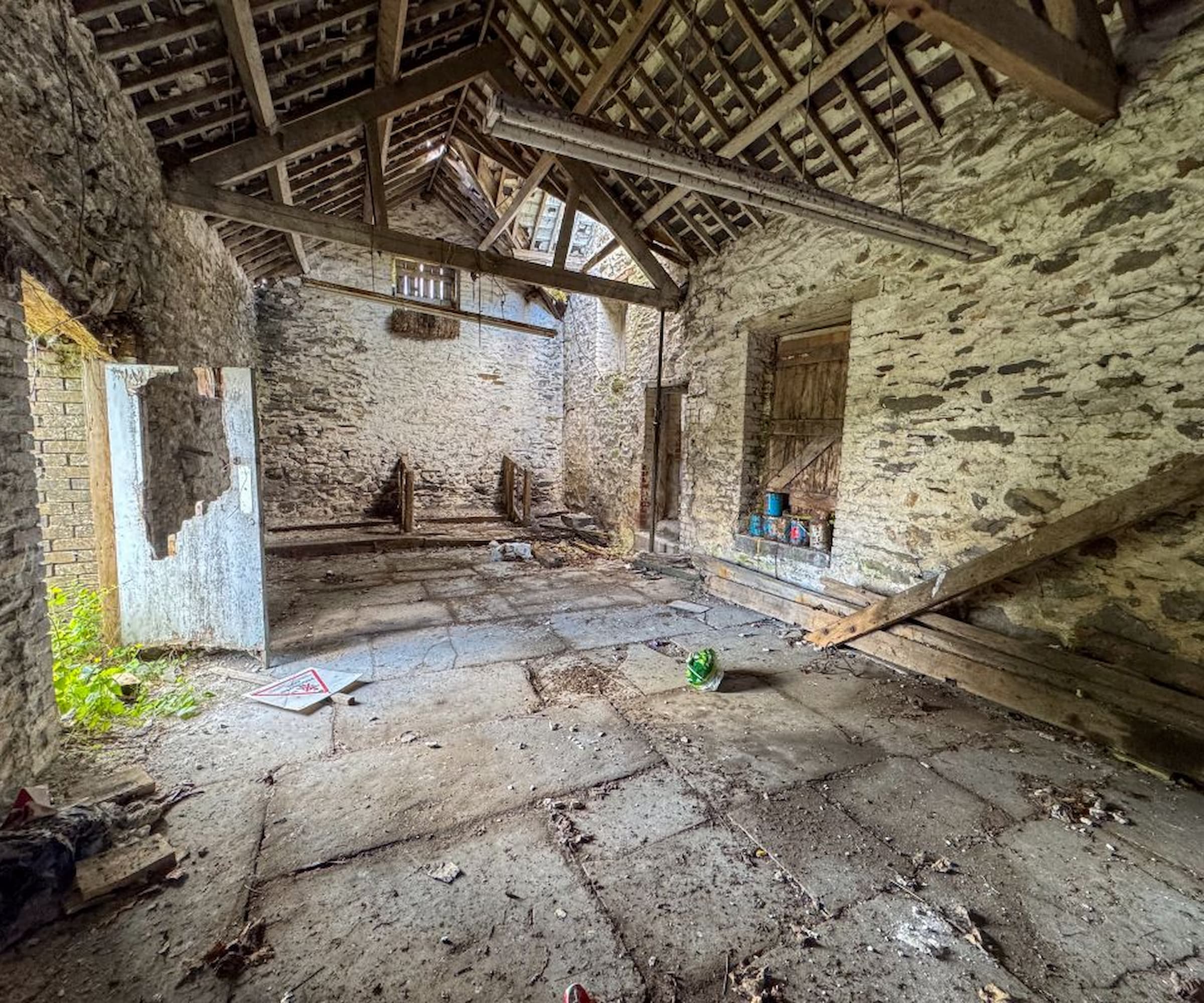
Barns are havens for wildlife because they’re quiet and full of nooks and crannies to hide in. Bats, owls, barn swallows, and other protected species can take roost causing planning complications and delays. Bats are a particular problem and dealing with them often delays projects by many months. You’ll have to arrange expensive ecological surveys and deal with seasonal work restrictions before you even get to install mitigation measures.
15. The design expectations simply don’t match the barn’s reality
Some barns just don’t suit the home you have in mind. The proportions may not be suitable, and headroom might be limited for bedrooms.
If the limitations imposed by the existing barn require too many compromises – tiny windows, mezzanines with limited head height – it might be better to find a barn that’s a better fit or even consider a building plot which ultimately will deliver your self build dream.
If you have found a barn conversion project that doesn’t have any of these warning signs, have a good look at our barn conversion costs guide as well as all our barn conversion ideas before taking your next steps towards transforming it into your dream project.
View the original article and our Inspiration here
Leave a Reply