
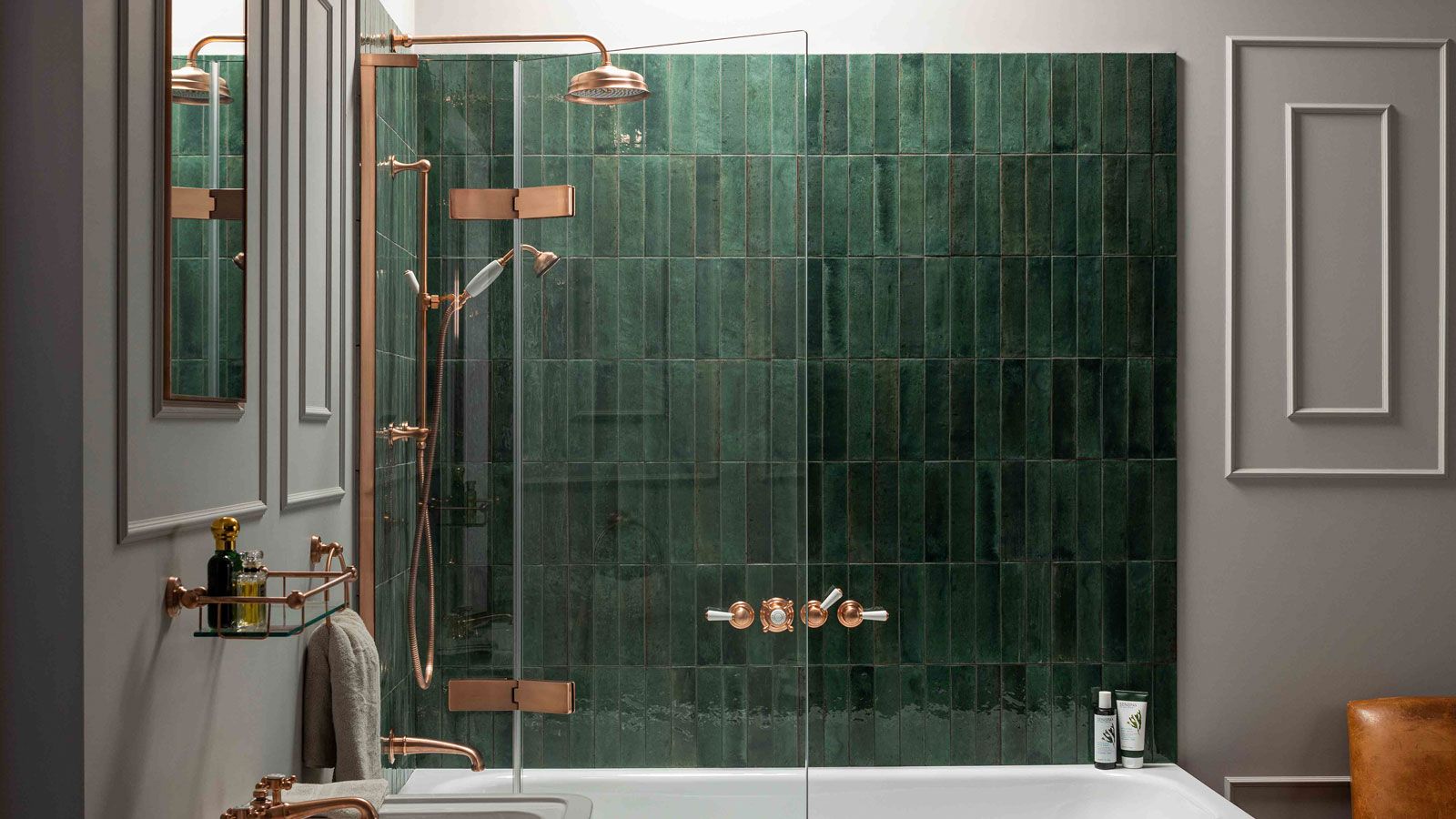
I have long been on the lookout for the best over-bath shower screen. My three-panel folding model is a constant source of annoyance. Water leaks out from beneath it even after much fiddling to ensure it is in the right position, the rubber seals between each of the panels often come loose and it is really tricky to clean. In short, it is really letting the rest of my bathroom design down.
“An over-bath shower can work incredibly well, but the choice of screen is what determines whether it is watertight, comfortable and easy to live with,” says Richard Eaton, design manager at Tissino.
I asked the experts for their advice on choosing the best over-bath shower screen – here’s what they had to say.
Richard is senior design manager at Tissino and is responsible for designing many of Tissino’s market leading bathroom products. His speciality areas are showers, baths and heating, and enjoys nothing more than developing products that people enjoy using on a daily basis, while making sure they look the part.
What is the best over-bath shower screen?
Having quizzed the experts on this, it seems that the best screen for shower over bath ideas is less about style than it is about design – and quality.
“Like with any type of bath or shower screen, water retention depends largely on the screen design,” picks up Andrew Hoyne, senior coordinator and product designer at Merlyn Showering. “For instance, how many panels are included? Less is generally better. Look too at how are the panel joints are sealed. Is the bottom seal paired with a threshold or luna rail (a type of metal support bar that stabilises the screen), or does it have a rise and fall hinge design that compresses the bottom seal against the bath when closed?
“All else aside, the single most important factor in bath screen leak prevention is its position on the bath,” continues Andrew. “The screen must be installed on the innermost edge of the bath rim. Fitting on the centre or towards the outside of the bath rim creates a ledge in front of the bottom seal which allows water to build up and eventually overflow. This will happen whether a luna rail is fitted or not. Fitting on the innermost edge removes this obstruction to flow, allowing water to run down the screen and straight back into the bath.”
But how about style? Which types of shower screen will work best for your particular space? Here are the main options to consider.

Andrew is an experienced New Product Development (NPD) engineer with over 12 years expertise in designing and delivering innovative bathroom solutions. He plays a pivotal role in transforming ideas into market-leading products, combining technical precision with a strong focus on user experience, quality and design. Andrew’s collaborative approach and deep understanding of manufacturing processes have contributed to numerous successful product launches, reinforcing MERLYN’s reputation as a leader in premium showering solutions.
1. Hinged or swing-out screens
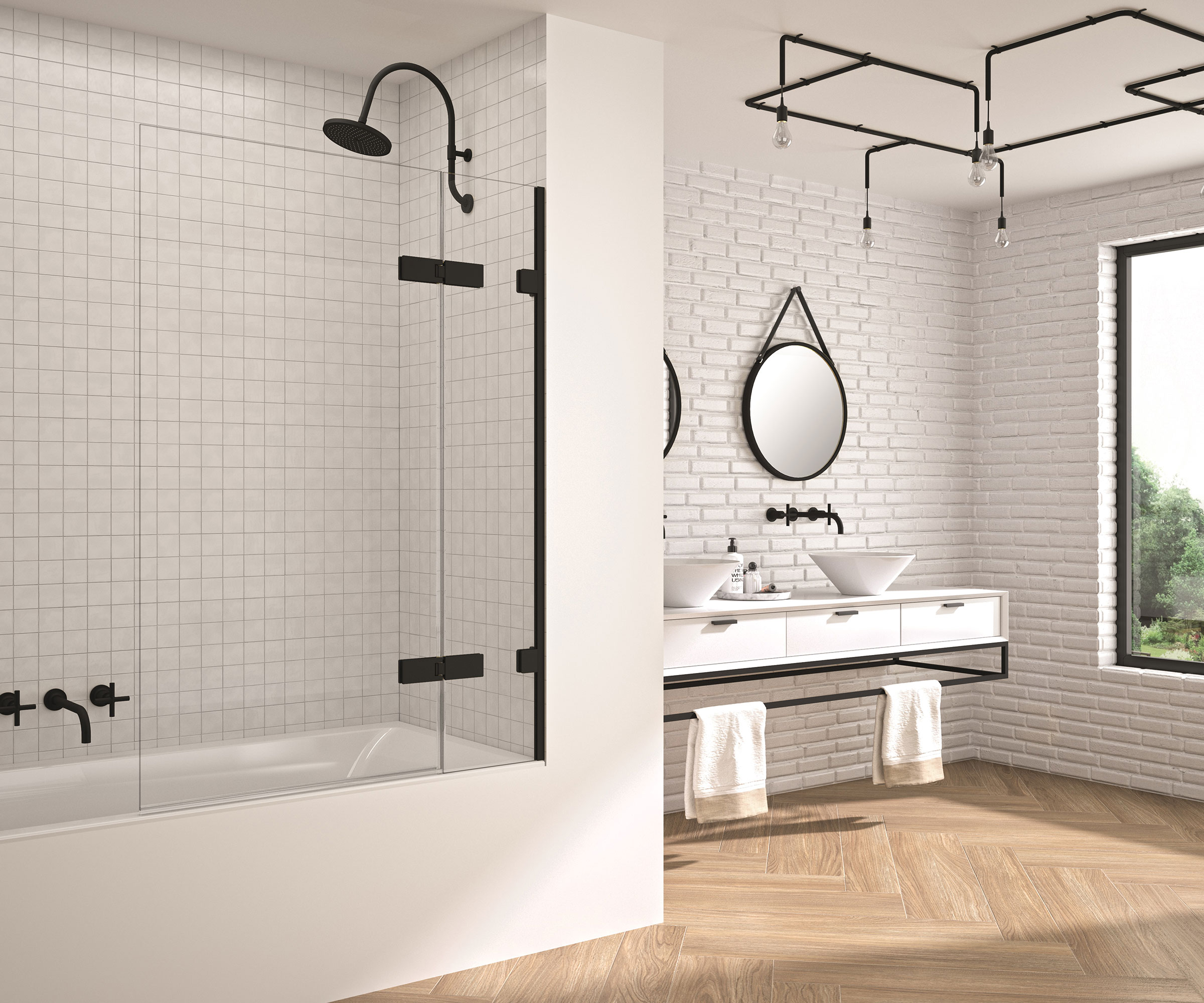
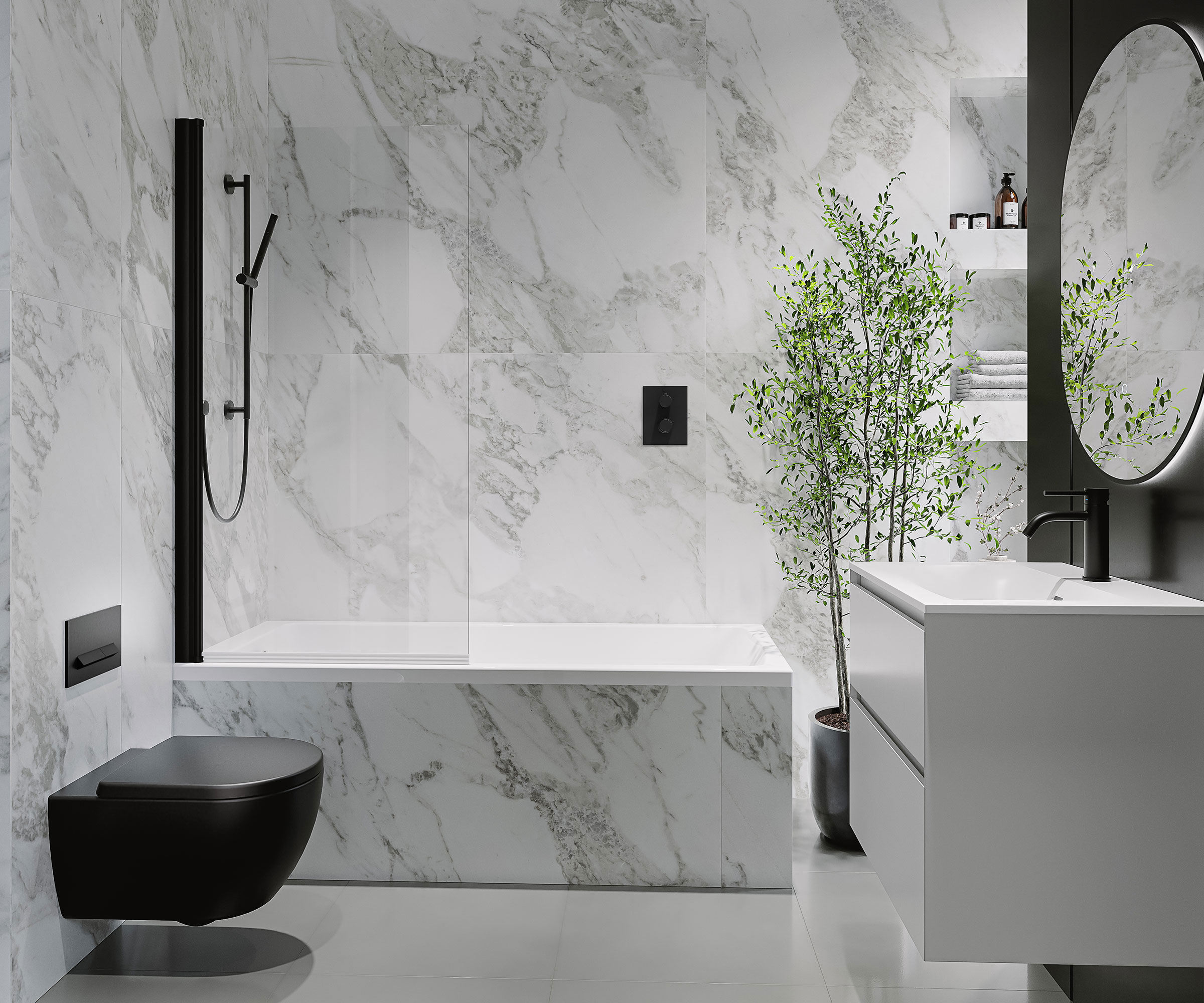
Thanks to their simple design and practicality, swing-out screens are one of the most popular choices and are particularly useful within family bathroom design.
“Swing-out screens remain one of the most user-friendly options for over-bath showers because they open fully, giving generous access to the bath,” explains Richard Eaton. “That makes them particularly practical in family bathrooms where you need to reach taps easily or bathe children.
“The simplicity of a single glass pane also gives a very clean aesthetic,” continues Richard. “The only consideration is space: the door needs enough clearance to open without hitting nearby furniture, so the layout needs to be thought through carefully. To avoid leaks, a high-quality hinge, a level bath edge and correctly fitted seals are essential. Even a slight tilt can allow water to track towards the floor.”
Shop swing-out shower screens
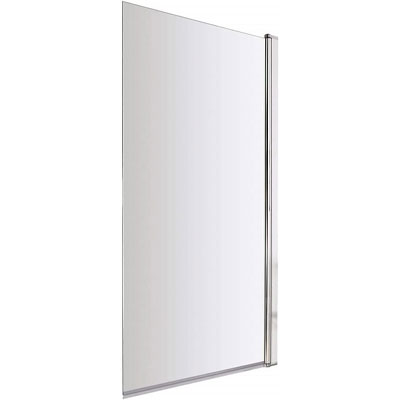
VeeBath Jade Square Edge Bath Screen Panel
Promising a secure, watertight seal, this simple hinged screen measures 1400x800mm and can be fitted with a right- or left-hand opening. It comes complete with all fittings.
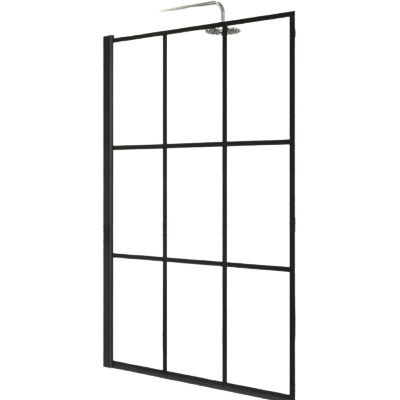
Millau Semi-Frameless Tub Door
This black aluminium-framed shower screen measures 815mm x1400mm, can open to the right or left and is adjustable for wonky walls. It suits both classic and modern schemes.
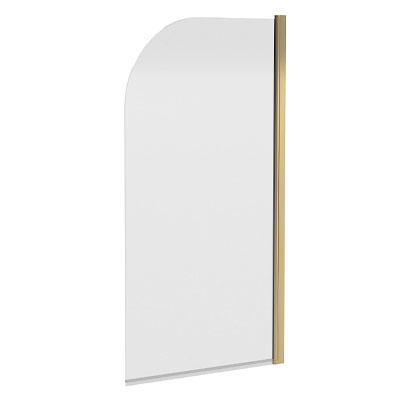
Brushed Brass Hinged Bath Shower Screen
This reversible shower screen has an elegant brushed brass finish which looks great combined with matching shower and taps. The curved profile works well in more compact spaces.
2. Bi-fold screens
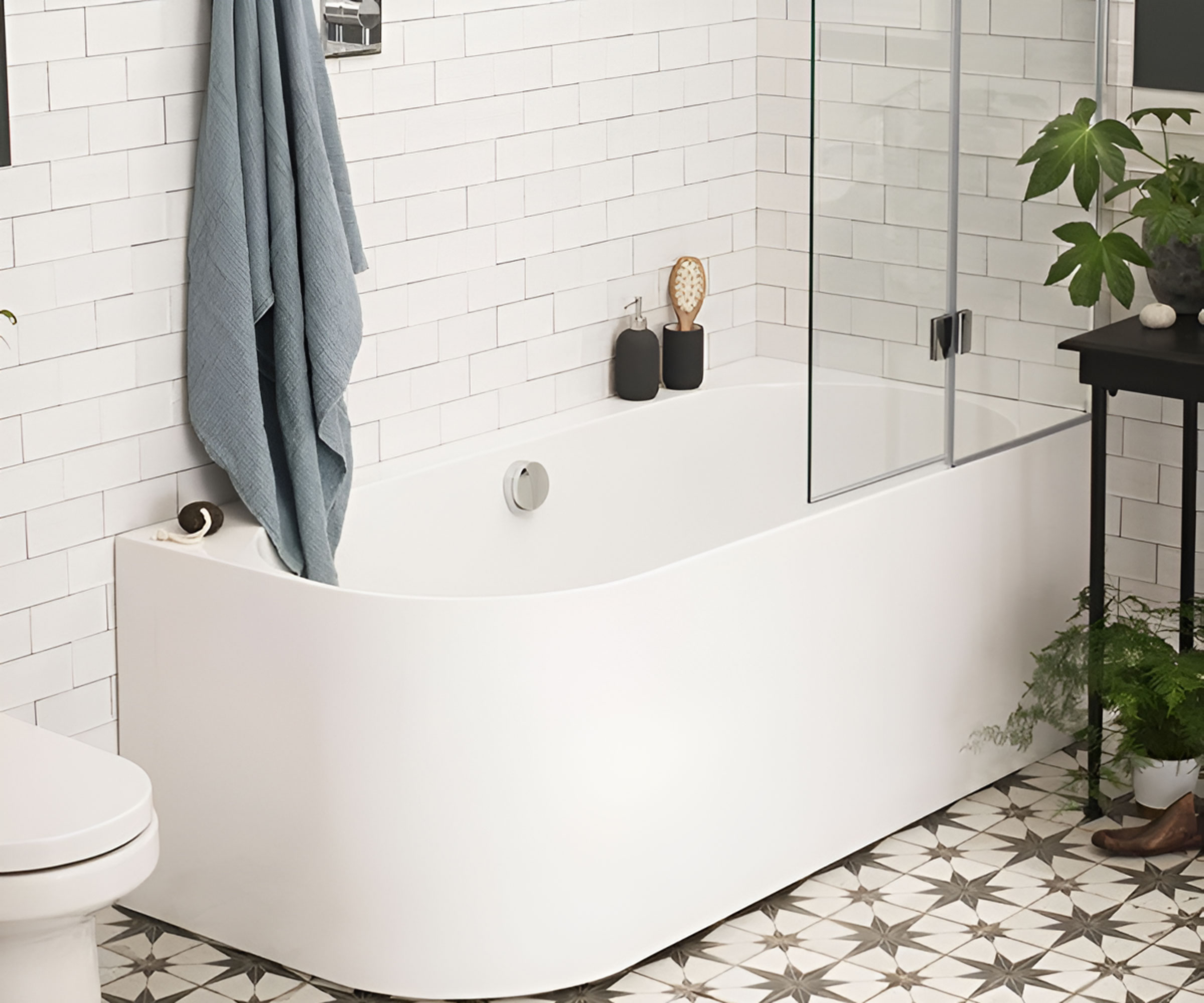
If it is small bathroom ideas that you need, a bi-fold shower screen could be just what you need.
“A bi-fold screen is often the most efficient choice for compact bathrooms as it folds neatly in on itself rather than projecting into the room,” points out Richard Eaton. “This movement makes stepping into the bath easier in tight layouts.
“The mechanism, however, introduces several joints, so build quality is key,” adds Richard. “Cheaper models can flex over time and create tiny gaps where water can escape. Choosing a well-engineered design with robust seals and ensuring the bath edge is completely level will give far better long-term performance.”
Shop bi-fold shower screens
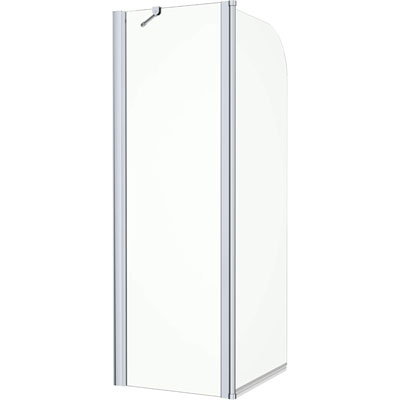
Luxura 2-Section Folding Over Bath Shower Screen
Each section of this bi-fold screen pivots 90° meaning it is easy to access even in cramped spaces. It is made from 6mm toughened glass for peace of mind.
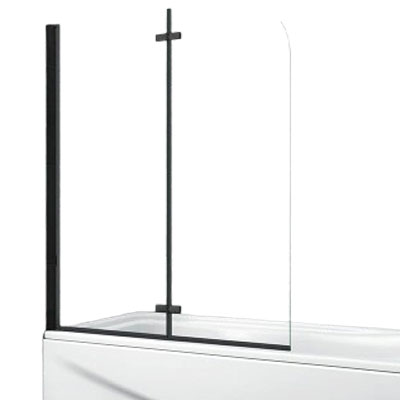
180 Hinge 2 Fold Bath Shower Screen Door Panel
Available in matte black or chrome, this bi-fold screen comes in a range of sizes and is reversible. It comes with rust-resistant fittings and is waterproof tested too.
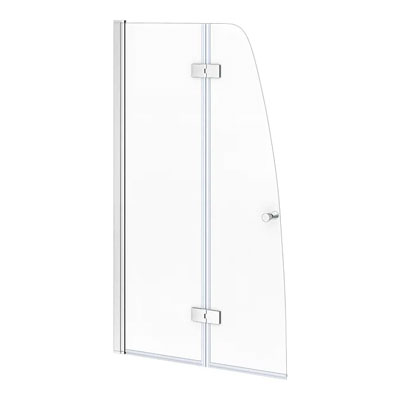
Monza Chrome Bi-Fold Hinged Sail Bath Screen
Measuring 900mmx 1400mm this 6mm toughened glass reversible bi-fold shower screen comes complete with clear seals that are completely watertight.
3. Sliding screens
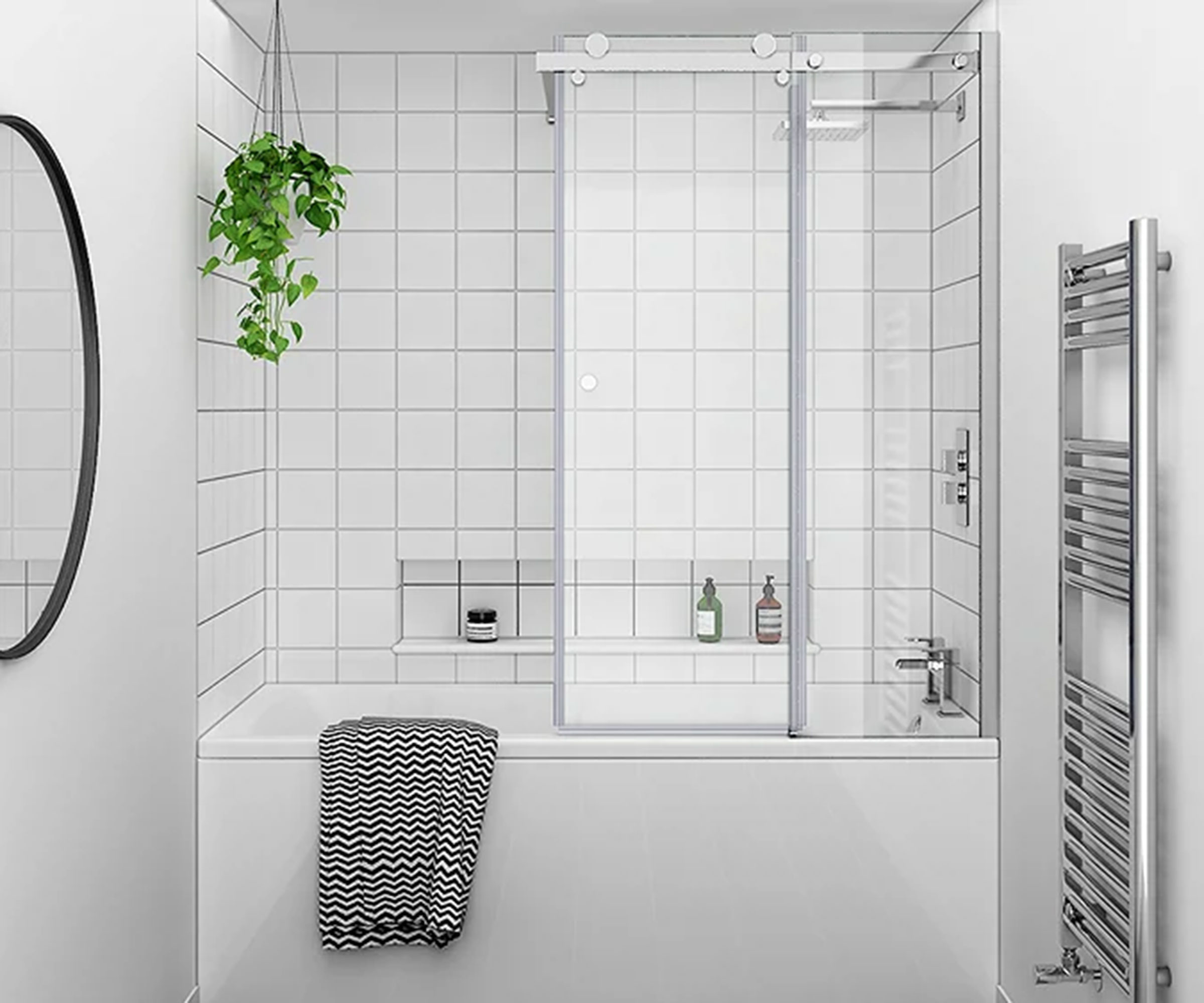
Perfect where a clean, contemporary look is the order of the day, sliding shower screens are becoming increasingly popular with those after modern bathroom ideas. As well as straight designs, it is also possible to get hold of curved screens that wrap around the showering area.
“Sliding screens are popular in busy households because they offer excellent splash protection and do not require any outward clearance,” advises Richard Eaton. “The overlapping panels create a secure barrier, which works well with powerful showers – plus, they also help maintain a streamlined look across the bath.
“The only trade-off is maintenance,” warns Richard. “The track needs periodic cleaning to prevent soap or limescale build-up affecting the glide. When installed so the fixed panel sits fully inside the bath rim and the tracks are sealed correctly, sliding screens are among the most reliable for containing water.”
Shop sliding shower screens
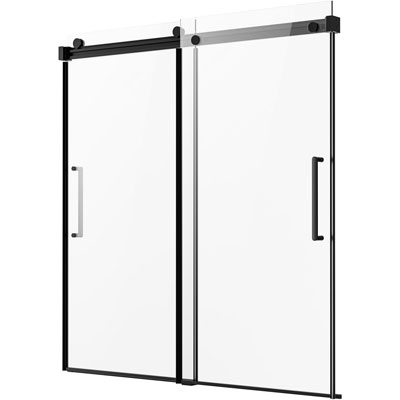
VEVOR Frameless Sliding Bathtub Door
Perfect for containing every last splash, this frameless sliding shower screen is made from sturdy 6mm thick shatterproof glass and has a water-repellent coating to help with cleaning.
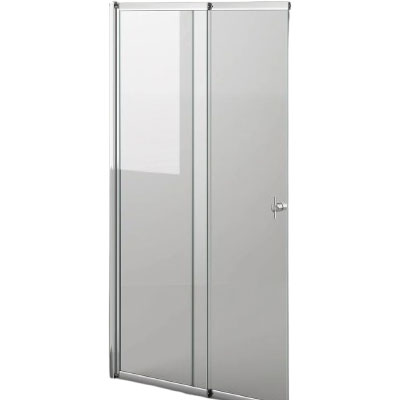
iBathUK Sliding Bath Shower Screen
Offering smooth operation and sleek good-looks, this screen is also reversible. It measures 1400mm x830mm making it perfect for keeping spray out of the rest of your bathroom even with a powerful shower.
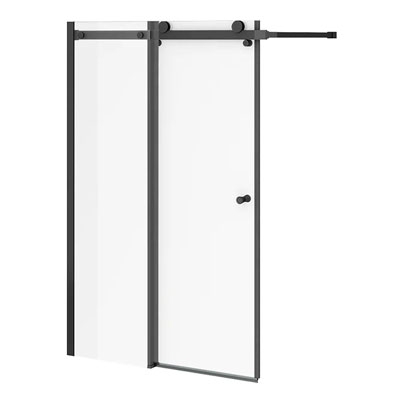
Arezzo Matt Black Sliding Bath Screen
Sleek and effective, this modern sliding shower screen glides smoothly on its rollers, is reversible and looks great paired with matte black brassware.
4. Fixed screens
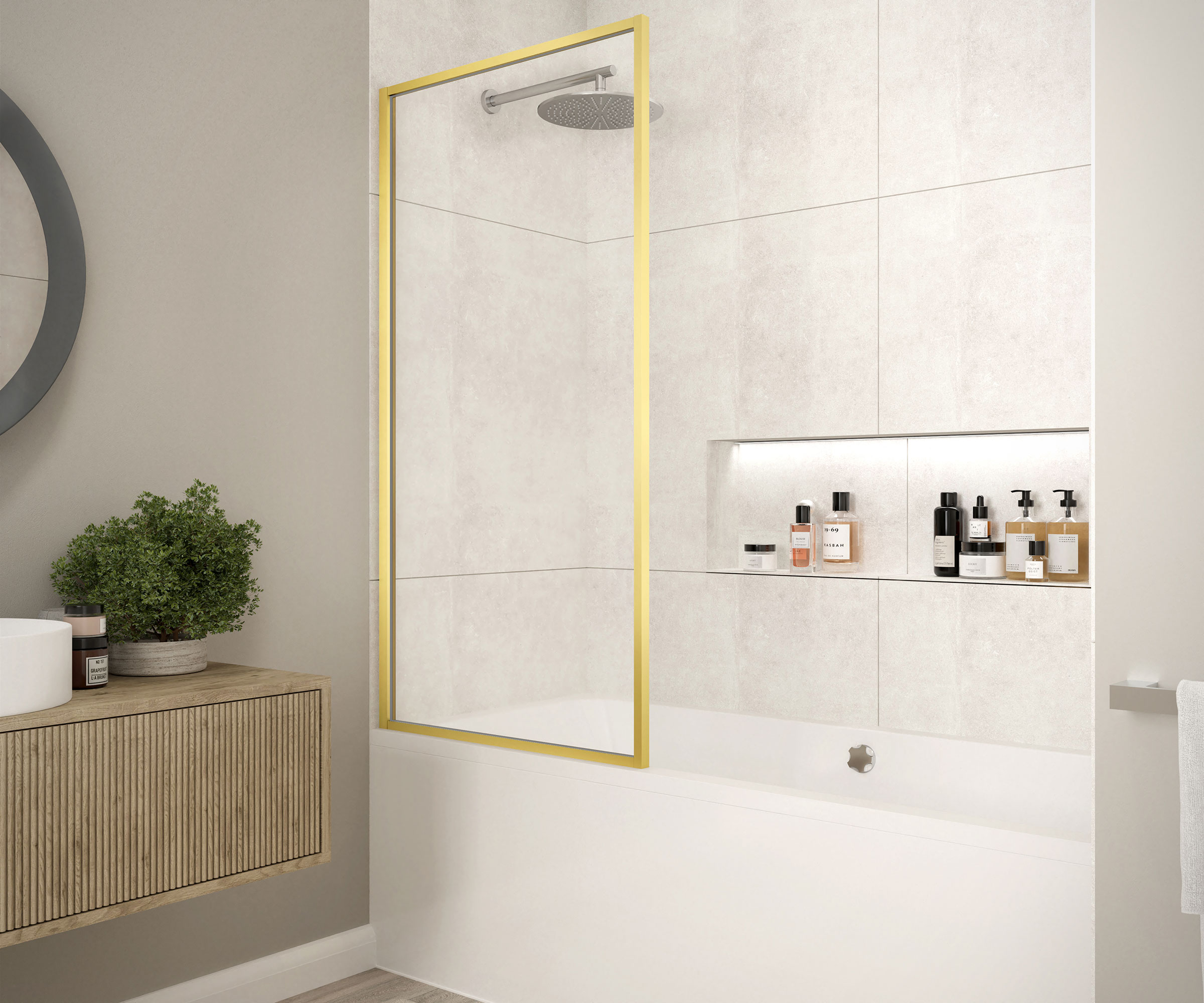
Fuss-free and with fewer components to go wrong, fixed frames are not just a brilliant choice for walk-in shower ideas, but also for over-bath showers – providing you specify the right size.
“A fixed bath screen delivers the most minimal appearance, with no moving parts and a strong, architectural feel,” says Richard Eaton. “They can work extremely well when paired with a shower head positioned towards the wall, helping to keep spray contained.
“The proportions are important though,” continues Richard. “Too narrow and water escapes, too wide and access becomes awkward. A well-sized fixed panel, combined with a level bath and clean, continuous sealing, provides an elegant and dependable solution. For homeowners who prefer a simple, unfussy design, it is often the most effective choice.”
Shop fixed over bath shower screens
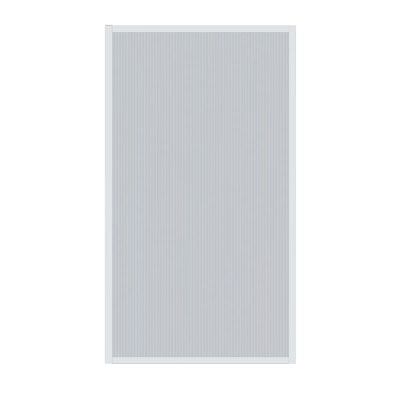
Fixed Framed Over Bath Shower Screen
With a sleek aluminium frame and on-trend fluted glass, this fixed shower screen not only looks super stylish but will also effectively shield the bathroom from water.
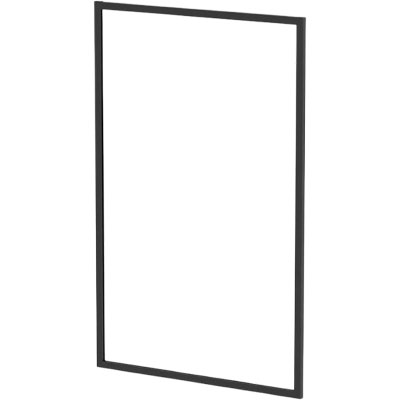
Black Over Bath Fixed Shower Screen
Also available in brass or chrome, this fixed 800mm wide shower panel is reversible too. All fixings are concealed giving it a nice sleek fit plus it comes with a 5-year guarantee.
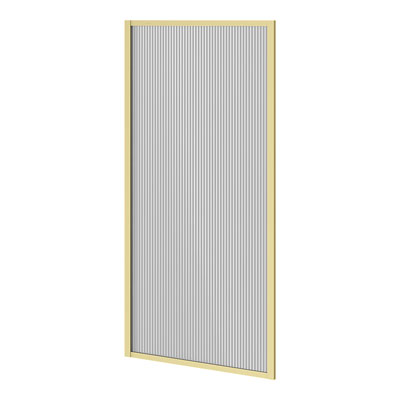
Arezzo Fluted Glass Brushed Brass Framed Fixed Bath Screen
Brushed brass and fluted glass combine in this sophisticated fixed shower screen which is reversible and comes with adjustable wall fittings for easy installation.
FAQs
Why do some over-bath shower screens leak?
I have had two shower screens that have ended up leaking and it seems poor installation and scrimping on quality could be to blame – so if you are thinking about replacing a shower screen, pay attention.
“In terms of performance, most leaks are caused by installation rather than the screen itself,” says Richard Eaton. “A bath that is not perfectly level, silicone that has not been left to cure, or seals that are not fully pressed into place can all allow water to escape.
“The screen should always sit inside the lip of the bath so that water runs back into it rather than pooling at the edge,” continues Richard. “It also helps to avoid directing the shower head straight at any joints. If you prefer a more powerful shower, a taller panel or a small return section will keep spray where it needs to be. When specified and fitted well, an over-bath screen can be every bit as reliable as a standalone enclosure.”
What type of over-bath shower screen is most reliable?
As with most things, when it comes to over-bath shower screens, the simpler the design, the more reliable they tend to be.
“With regards to opening type, simple is always better, with a fixed panel being the most reliable, hinged or bi-folding screen next best, followed by sliding,” advises Andrew Hoyne. “Unfortunately, not all door types are created equal. Choose a quality manufacturer with leak testing to back it up. Look out for leak-free specific designs.”
Showers over baths are a great idea where space is tight, but don’t rule out other types of showers – if you want to stay in your home for the foreseeable future, a walk-in design could be more practical.
View the original article and our Inspiration here
Leave a Reply