
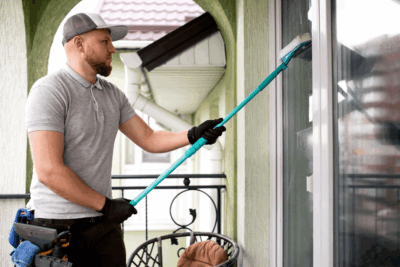
Miami’s commercial buildings operate in one of the most demanding exterior environments in the United States. Constant humidity, heavy rainfall, salt-laden air, and intense sunlight combine to place year-round stress on building exteriors. For facilities teams managing offices, retail centers, hospitality venues, and mixed-use properties across South Florida, exterior upkeep is less about aesthetics and more about asset protection. As part of a climate-specific maintenance strategy, many property managers rely on professional pressure cleaning services to control surface buildup, maintain visibility for inspections, and slow material deterioration in Miami’s uniquely challenging conditions.
Unlike seasonal climates where exterior maintenance can be spaced out, Miami’s subtropical environment requires continuous attention. Moisture rarely leaves surfaces on its own, and organic growth can develop quickly if preventive measures are not consistently applied.
Why Miami’s Climate Accelerates Exterior Wear
Miami’s climate creates ideal conditions for mold, mildew, algae, and airborne pollutants to accumulate on building surfaces. High humidity levels prevent surfaces from drying fully, allowing biological growth to take hold on concrete, stucco, stone, and painted façades. Frequent rainstorms wash contaminants across exterior walls and walkways, redistributing grime rather than removing it.
Salt carried inland from the coast compounds the problem. Even properties several miles from the shoreline experience corrosion pressure due to airborne salt particles, which accelerate rust on metal fixtures, railings, fasteners, and façade supports. Over time, these environmental factors can significantly shorten the lifespan of exterior materials if left unmanaged.
Common Exterior Problem Areas in Miami Commercial Properties
Certain areas of commercial buildings in Miami tend to show deterioration faster than others. Walkways, entry points, loading zones, and shaded façades are especially vulnerable due to constant moisture exposure and limited sunlight. Rooflines, overhangs, and drainage areas often trap water, creating conditions where buildup becomes both persistent and difficult to detect from ground level.
Parking structures and concrete surfaces are another concern. Miami’s humidity and rainfall allow contaminants to penetrate porous materials, leading to staining, surface weakening, and in some cases premature cracking or spalling. Once embedded, these contaminants become harder to remove and more costly to address.
Visibility and Inspection Challenges in High-Humidity Markets
One of the less obvious impacts of Miami’s environment is how quickly buildup obscures early warning signs of damage. Dirt, algae, and discoloration can hide hairline cracks, joint separation, and coating failures that would otherwise be easy to spot during routine inspections.
Clean exterior surfaces play a critical role in preventive maintenance. When façades and hardscapes are free of buildup, facilities teams can accurately assess surface conditions and address minor issues before they escalate. In Miami, where deterioration can progress rapidly, this visibility is essential for maintaining building integrity.
The National Institute of Building Sciences has emphasized moisture control as a foundational element of building envelope durability, a principle that is especially relevant in South Florida’s climate.
Balancing Curb Appeal With Long-Term Asset Protection
In a city like Miami, first impressions matter. Commercial properties are often judged by their appearance, particularly in retail, hospitality, and mixed-use environments. However, exterior cleanliness in Miami is not just about presentation.
Staining, biological growth, and surface discoloration are indicators of moisture-related stress. Treating these issues solely as cosmetic concerns can lead to deferred maintenance that ultimately increases long-term repair costs. A clean exterior supports both brand perception and structural preservation, making it a strategic priority rather than a visual afterthought.
Maintenance Timing in Miami’s Seasonal Patterns
While Miami does not experience traditional seasons, weather patterns still influence maintenance planning. Heavy summer rainfall, hurricane season, and periods of extreme heat all affect when exterior work is most effective.
Many facilities teams schedule intensive exterior cleaning ahead of peak storm seasons to reduce surface contaminants that can worsen moisture retention. Post-season maintenance is equally important, allowing teams to assess damage from prolonged exposure and restore surfaces before the next cycle begins.
Aligning exterior maintenance schedules with Miami’s climate realities helps reduce reactive repairs and supports more predictable budgeting.
Cost Control Through Preventive Exterior Care
Deferred exterior maintenance in Miami often results in higher long-term expenses. When moisture-driven deterioration is allowed to progress unchecked, facilities may face premature repainting, resurfacing, or material replacement that could have been avoided.
Proactive exterior care helps stabilize maintenance costs by extending material lifespans and reducing emergency interventions. For commercial property owners and operators in Miami, preventive strategies are not an added expense but a necessary investment in asset longevity.
Adapting Facility Strategies to Miami’s Climate Reality
Miami’s environment demands a different approach to commercial exterior maintenance than most U.S. markets. Facilities teams must plan for constant moisture exposure, aggressive biological growth, and accelerated material wear as ongoing conditions, not exceptions.
Effective strategies integrate routine surface cleaning, frequent inspections, climate-aware scheduling, and material-specific care into a cohesive maintenance plan. By addressing exterior challenges early and consistently, Miami commercial properties can remain safe, attractive, and resilient despite one of the most demanding climates in the country.
In South Florida, exterior maintenance is not optional, it is a continuous process shaped by humidity, heat, and the realities of coastal urban life.
Feature Image from Freepik
View the original article and our Inspiration here
Leave a Reply