
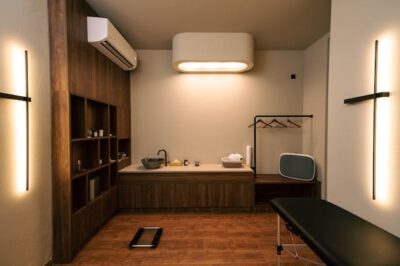
Oak flooring shows up on plan sheets for a reason. It wears hard, finishes clean, and blends across many design briefs. Yet two comparable submittals can behave quite differently on site. Getting the choice right starts with how the floor will actually be lived on.
Many teams want a fast way to vet options without bogging down the schedule. If you need deeper product detail early in design, you can view Red Oak product line here, then return to the specs below with clearer context. Use the framework that follows to balance budget, traffic, sheen, and warranty terms.
Jobsite Realities And Use Patterns
Start with where the floor will serve the project over the next five to ten years. A boutique lobby with rolling luggage stresses boards differently than a private office suite. Retail build outs also bring frequent fixture moves and tight maintenance windows.
Write down the zones with the highest wear and the ones that must photograph well. Note where entry mats, point of sale stations, and coffee points create predictable scuff paths. This short map helps match board hardness, finish type, and replacement strategy to real movement.
Think about climate control and moisture swings during both build and operations. Oak handles seasonal change better than many species, yet it still moves across widths. Stabilizing indoor conditions before acclimation limits callbacks and protects finish lines.
Grade, Cut, And Appearance Priorities
Red oak grades run from clear to character, each telling a different visual story under light. Clear grade leans smoother with fewer knots and straighter grain through long runs. Character grade accepts color variance and lively cathedrals that hide everyday wear.
Board cut also nudges the look and movement you will manage later. Plain sawn boards show cathedral grain and expand more across their width. Rift and quartered boards show straighter grain and move less across seasonal cycles.
Lock the appearance specification with a short matrix the whole team can read. Include grade, average board length, acceptable mineral streaking, and target color range. That single page prevents bid substitutions that shift the final look without changing price.
- Grade target and acceptable alternates
- Minimum average board length by room type
- Rift and quartered ratio for key spaces
- Visual mockup approval method and timing
Durability, Thickness, And Sanding Headroom
Engineered and solid oak both deliver proven service when matched to the right context. Engineered products work well over concrete, radiant heat, and mixed substrates. Solid products give long sanding life where slab height and fastening allow.
Check wear layer thickness on engineered options rather than total board thickness. A three to four millimeter wear layer supports several light refinishes across years. Thicker layers buy more future sanding headroom where heavy service is expected.
Janka hardness numbers help compare oak to other species used nearby. Red oak sits at a level that balances dent resistance with finish flexibility under boots. For technical backing on species properties, reference USDA Forest Service data that guide material comparisons.
Finish Systems, Sheen Choice, And Air Quality
Prefinished boards cut installation time and reduce on site variables under tight schedules. Factory applied finishes arrive consistent, with micro bevels that mask tiny height changes. Site finished floors allow blended repairs and exact sheen matching across large rooms.
Choose sheen by lighting, foot traffic, and cleaning practice your team can maintain. Matte hides scuffs in busy areas where daily dust mopping is standard practice. Satin offers a soft glow that photographs well across hospitality and multifamily corridors.
Air quality policy now shapes many facility standards, so clarify the finish chemistry early. Low VOC systems reduce odor complaints and reoccupancy delays after maintenance cycles. For general guidance on volatile organic compounds in interiors, see EPA guidance on indoor air quality which owners often cite.
Budget, Lead Times, And Risk Control
Budget conversations run smoother when you break costs into predictable buckets. There is the board itself, the underlayment or adhesive, and the install labor. You also have finishing labor if using site finished boards, plus protection materials.
Ask vendors for realistic lead windows by width, grade, and cut combinations. Wide and long runs can stretch availability if you need rift and quartered boards. A two week shift today can snowball into missed inspections and rescheduled trades tomorrow.
Control risk by aligning mockups, delivery timing, and acclimation with real calendar dates. Approve the appearance mockup under final lighting before the main order is released. Stage material, then acclimate to steady interior conditions before installation begins.
Installation Details That Prevent Callbacks
Subfloor preparation decides how well oak installs and how long it stays quiet. Moisture tests should confirm acceptable ranges across multiple points, not just one. Flatness requirements must be verified with a straightedge, then corrected before any layout begins.
Choose fastening or adhesive paths based on substrate, height allowances, and sound ratings. Thicker underlayment can tame transmission between floors in mixed use projects. Fastening schedules should match board width to limit seasonal gaps across lines of sight.
Protect the floor from day one, since construction traffic shortens finish life dramatically. Use breathable protection that prevents grit grinding under boots and ladders. Replace protection as it wears so it does not become a trap for dust and moisture.
Maintenance Planning That Owners Will Actually Follow
Write a maintenance plan that aligns with staff size and available equipment on site. Daily dust mopping removes abrasive grit that acts like sandpaper under heels. Weekly neutral cleaning keeps residues from dulling sheen in high profile zones.
Plan periodic inspections during the first year to catch early wear patterns. Entry transitions and elevator lobbies usually show changes first under rolling loads. Quick spot repairs keep small issues from spreading across visible runs.
Train the cleaning contractor on the exact products approved for your finish system. Unapproved cleaners can haze the surface and create uneven gloss under ambient light. Clear instructions keep the floor looking fresh and reduce warranty friction later.
Bringing It All Together On Your Next Build
Selecting oak flooring goes faster when the team ties choices to how spaces are used. Grade, cut, and thickness set the canvas that finish and maintenance together protect. Check lead times, confirm appearance early, and follow measured acclimation before installation. With those basics in place, your project gets a durable floor that fits the brief, looks right under real light, and remains serviceable through daily use.
View the original article and our Inspiration here
Leave a Reply