
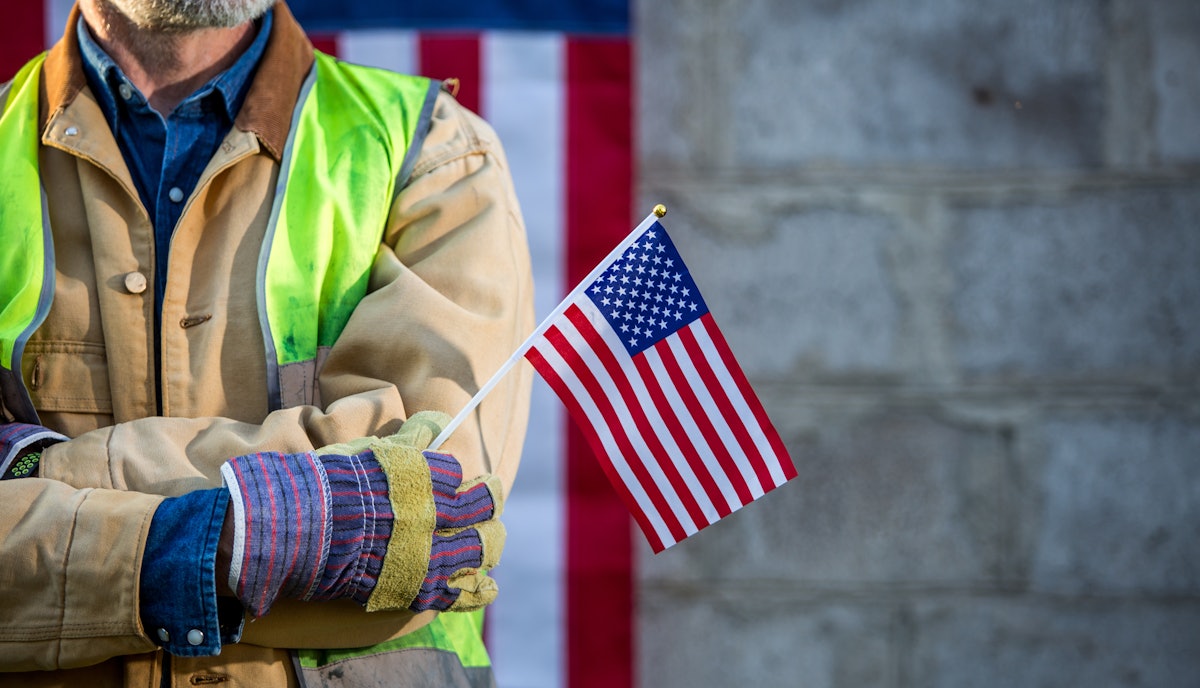
In a world built on progress, few industries rise and fall with changing times as much as the construction industry. This field never stands still, as skilled workers shape skylines and neighborhoods, laying the backbone of our cities. As demand grows and skilled hands become harder to find, the answer stands in plain sight: veterans. They are not just ready to serve; they are prepared to build.
Ask anyone who has led a job site or managed a high-stakes project: discipline, teamwork and grit are qualities that set top performers apart. These are the skills found in veterans. According to a report from the United States Department of Labor, approximately 200,000 service members move from a life in uniform to civilian work each year.
Veterans bring much more than discipline or technical know-how. They fit jobs where leadership, clear thinking and problem-solving matter most. Military life hones these skills daily. Veterans motivate teams, adapt to fast change and see a mission through. Jumping hurdles? Staying sharp under pressure? Veterans do this on the hardest days, striving to lift others alongside them.
The numbers tell a clear story. More than 528,000 veterans work in construction today, according to the United States Bureau of Labor Statistics. They shape roads, schools and bridges. From the subcontractors to construction managers, veterans play an important role in all facets of construction. They find meaning in the work and a sense of teamwork that echoes their service. As a graduate from West Point and a former platoon leader, I’ve experienced it firsthand.
From day 1, construction felt like a line platoon. There was a clear chain of command, a schedule and a mission to accomplish. I recognized the similarities between a platoon sergeant and a superintendent, and between a project manager and a platoon leader. In the military, we briefed our soldiers; in construction we brief our subcontractors. Many of my West Point classmates mention the difficulty of transitioning to civilian life because of the lack of camaraderie and the struggle of being in an office all day. Construction is as close as you can come to matching the intensity of the military.
These strengths benefit not only veterans but also our industry as a whole. The construction trades face a deep worker gap. Reports from Arcoro indicate that 94% of firms struggle to find skilled workers, while more than a million roles are expected to remain unfilled in the years ahead. Veterans, with heads for safety and a mission-first mindset can help fill this gap fast. Industry credentials, such as those from the Hard Hat Heroes program, facilitate a smoother transition from active duty to the job site by matching military skills to construction needs.
Veterans show up on time, accomplish the mission and stick with it. Their track record of loyalty, reliability and pride in their unit matches the values that many companies strive to instill. Firms that prioritize transparent communication, lifelong learning and teamwork already seek these same core traits these vets bring to the table.
If the next 100 years of construction resemble the last, diverse teams that value what veterans bring will write the next proud chapter.
For the construction industry’s future, the way forward seems simple. Recruit veterans. Train, mentor and keep them. Let their stories and skills lift your projects and teams. Veterans are built for challenge. Now, let them help build what comes next.
View the original article and our Inspiration here
Leave a Reply