

With rising heating bills and plummeting temperatures, many families are facing a difficult dilemma this year. I, for one, have been reluctant to turn on my heating because of the high costs and have been on the hunt for a money-saving hack that could make my heating go further.
So when I saw Radflek’s Radiator Reflectors on Amazon for only £20, I knew I had to give them a try. They might look like your average roll of kitchen foil, but the brand claims they can reduce heat loss by 45% and reflect 95% of the heat back into your room.
After learning more about how radiator reflectors work and how much they could potentially shave off my heating bills, I was eager to put them to the test.
Installing Radflek Radiator Reflectors
When the radiator reflectors arrived, I’ll admit I was pretty skeptical that they would do anything worthwhile. As I mentioned before, they just look like kitchen foil – but if Radlek’s heat-gain promises were true, I’d have to put my doubts to one side.
The package came with two sheets that could be trimmed to size, Radklips (which keep the sheets in place), and Radstik joining tape (if you needed to fasten the two sheets together).
Installation was very simple, and I had it set up behind my radiator within 10 minutes of opening the packet. The instructions were clear and included a diagram for each step, making it a breeze to follow.
Here’s what you’ll need to do:
- Flatten the creases in the sheet.
- Measure the distance between your radiator’s wall brackets.
- Cut the sheet to this width.
- Make a 1cm fold at the top of the sheet.
- Slide the Radklips over the fold (I used three for one sheet).
- Roll the top of the sheet around the Radklips.
- Place the Radklips on the wall brackets behind your radiator, with the printed side facing the wall.
- Trim or roll any overhang so it isn’t visible.
I was pleasantly surprised that you can’t see it at all behind my radiator – though I did have to fold the bottom up slightly because it was a bit too long. However, for some types of radiators with large gaps or minimal side panels, they might be more visible.
Image 1 of 2

How did the Radlek Radiator Reflectors perform?
To find out whether the Radlek Radiator Reflectors really work, I put them to the test in my bedroom. Before fitting the gadget, I made sure all doors and windows were closed and that my radiator was the only heat source in the room.
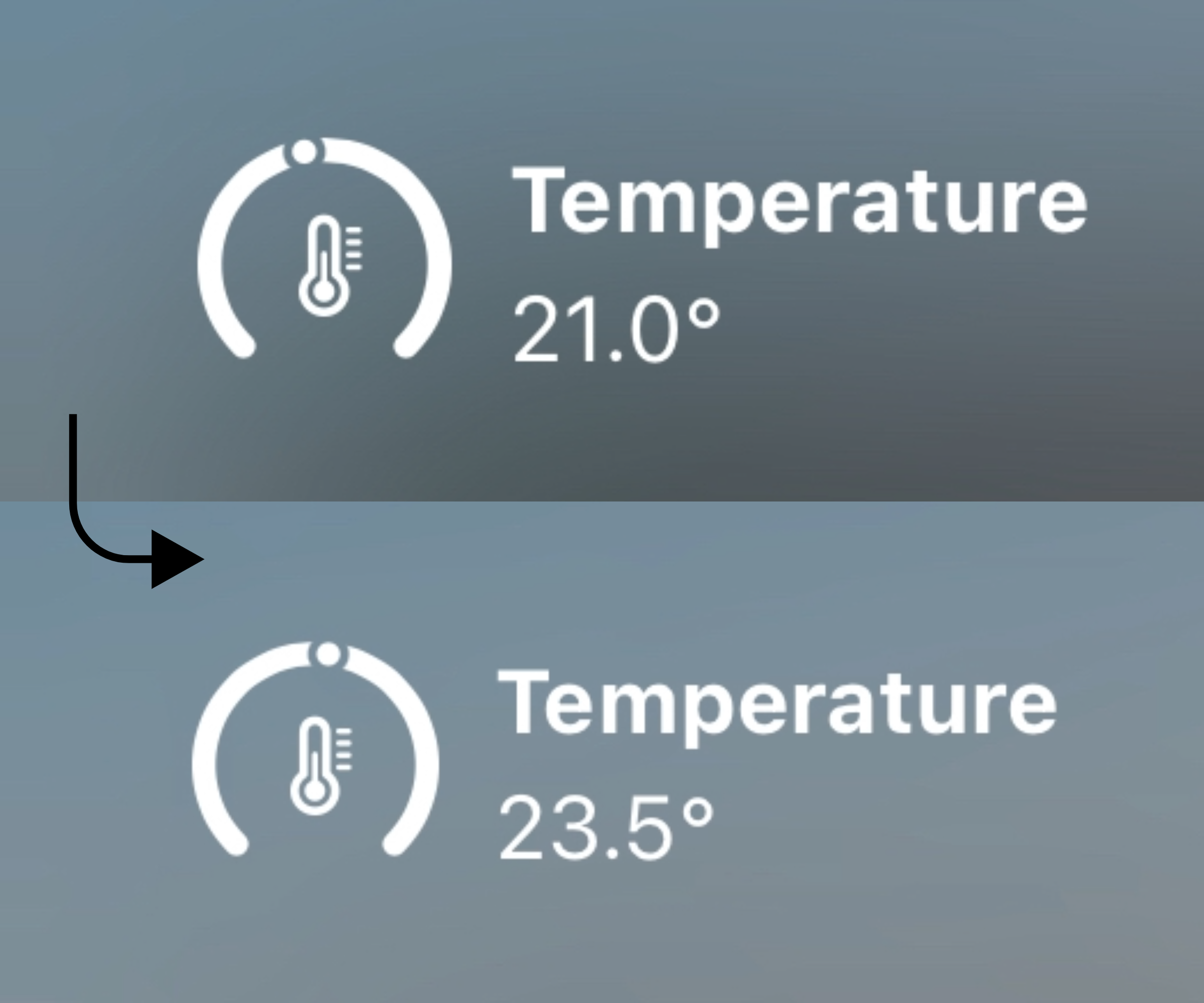
I set my thermostat to 21°C and waited until my room had reached this temperature, recording it using my Apple HomePod Mini and noting down the time.
I then installed the reflector behind my radiator and, after an hour and a half, noticed that the temperature had increased by 1.5°C (to 22.5°C) – without touching anything. After a further 20 minutes, the temperature rose by another 0.5°C , and in the next 20 minutes, by an additional 0.5°C.
I started at 21°C at the beginning of the test, and within two hours I’d boosted the temperature by a total of 2.5°C – pretty impressive considering I didn’t turn up the heating or adjust the dial. By this point I was roasting, so I decided to end my experiment before I sweltered away.
When I measured the room temperature without the reflectors, it didn’t increase.
Where to buy radiator reflectors
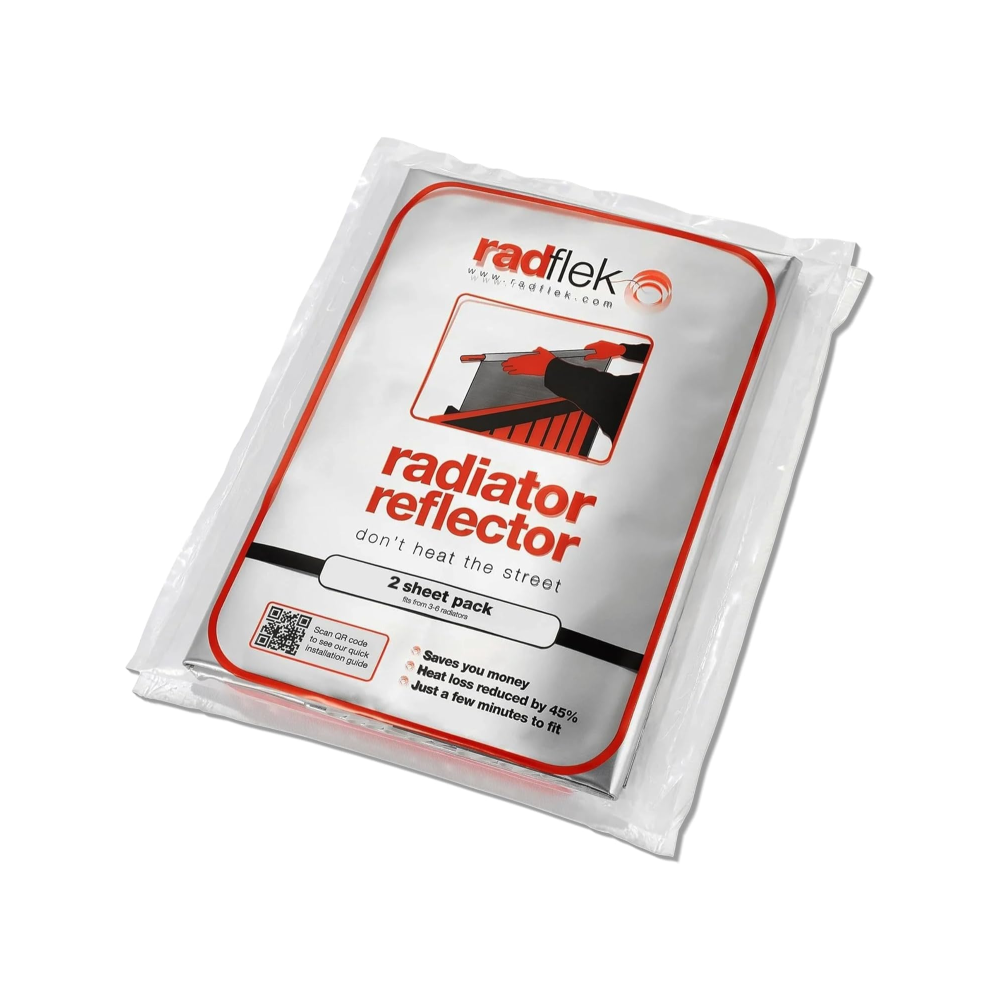
Radflek Radiator Reflector Panels
Tested and approved by the Homebuilding team, these reflectors help prevent heat loss.
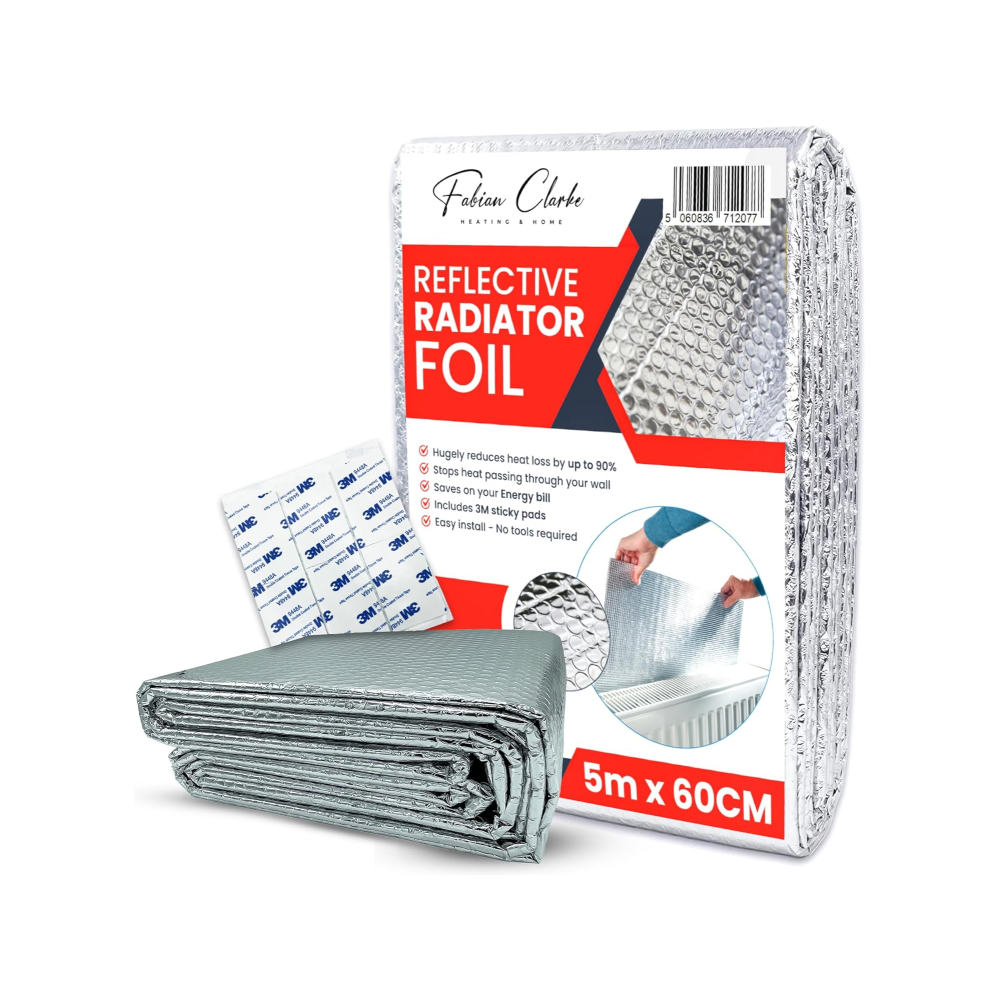
Radiator Foil Reflector Roll
Don’t have a radiator bracket? These reflectors come with sticky pads that adhere to your wall, making them suitable for any style.
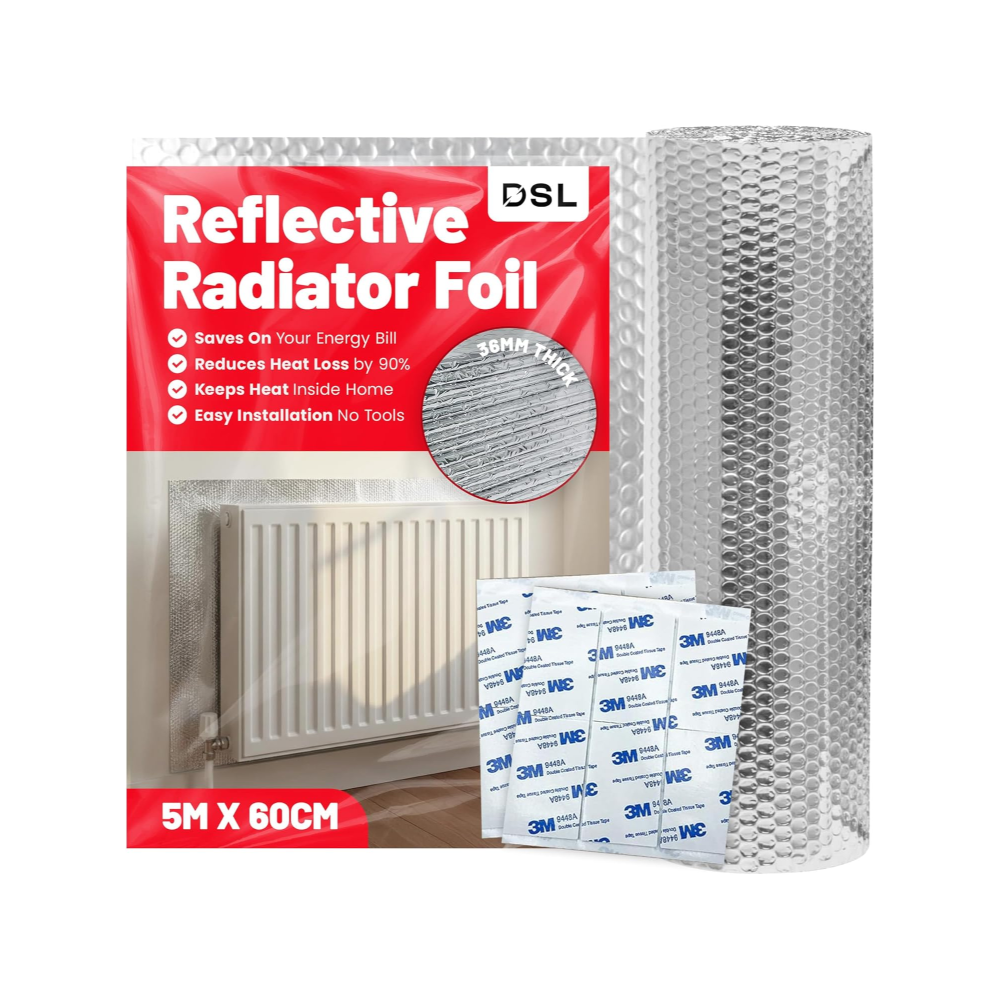
DSL Radiator Reflector Foil
This budget-friendly radiator reflector costs less than £11 and could help you save on your heating bills.
To conclude, I was very impressed with the results of the Radflek Radiator Reflectors and would highly recommend them to anyone looking for an affordable way to boost their home heating.
Nick Duggan, Managing Director of The Radiator Centre, adds, “While they won’t transform the performance of your heating system, they can make a modest but useful difference by cutting back on unnecessary heat loss.
“It’s best to think of them as a supportive measure rather than a standalone solution: good insulation, appropriately sized radiators and efficient controls will always have the biggest impact, but reflectors can certainly contribute to overall energy efficiency.”
For more heating advice, read our comparison of underfloor heating vs radiator efficiency and find out how to choose the right heat emitter for your home.

Nick has over 20 years of experience in central heating and radiators, leading the team at one of the UK’s largest independent suppliers.
View the original article and our Inspiration here
Leave a Reply