
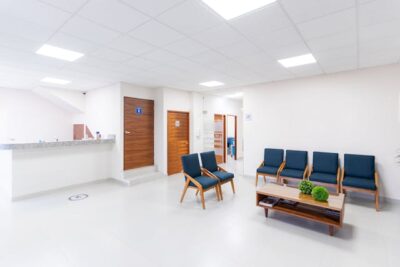
Foot traffic is constant in hospitals and clinics, and furniture absorbs that wear every single day. Seats get wiped between visits, carts tap corners, and grit scuffs bases during quick turns. What lasts, cleans fast, and still looks calm under pressure affects patient flow. Facility teams need pieces that match real shifts, not showroom hours.
Custom work lets designers specify joinery, coatings, and dimensions that track actual use. Shops with in-house wood and steel can tune details to the unit’s cleaning list. Partners like Parkman Woodworks help teams translate those calls into clear drawings and predictable lead times. That shortens punch lists and supports phased turnovers across wings and floors.
Cleanable Materials And Finishes
Surfaces in care rooms meet disinfectants far more often than typical commercial spaces. Closed-pore finishes on dense hardwoods resist moisture intrusion and staining from daily wipes. Powder-coated steel bases avoid flaking paint and tolerate repeated contact with cleaning tools. The right combination keeps residue from settling and shortens turnover tasks.
Seam placement matters as much as species and finish. Eased edges, sealed end grain, and undersides finished like tops reduce soil traps. During submittals, request finish samples tested against the facility’s disinfectant list. See Centers for Disease Control and Prevention guidance for cleaning and disinfection basics to align teams.
Durable Joinery And Hidden Structure
Waiting rooms, infusion bays, and family spaces are tough on fasteners and frames. Through-tenons, concealed steel subframes, and threaded inserts spread loads and prevent wobble. A thicker top is not the only answer, because weight and mobility also matter on busy floors. Hidden structure allows slimmer profiles without giving up strength where people lean and stand.
Edge abuse happens where arms meet tablets and where bags clip corners near aisles. Request replaceable arm caps or sacrificial edges that swap quickly without removing a chair. Cross rails and continuous stretchers stiffen long runs without bulky silhouettes that trip feet. Countersunk hardware with thread-locking compounds helps chairs stay tight after countless transfers.
Replaceable Wear Parts And Service Access
No chair lasts forever, yet smart parts extend service life at a low cost. Arm caps, glides, and edge trims take the brunt of daily hits and wipes. When those parts change in minutes with a basic tool kit, room downtime stays minimal. Facilities avoid full replacements and keep seats in service during busy clinic hours.
Service access deserves equal attention during design and shop drawings. Conceal hardware, but do not bury it beyond reach for routine tightening or swaps. Document part numbers and finishes in a packet that lives with facilities. A short, clear plan beats guesswork when a unit needs quick attention between appointments.
Space Efficiency And Smooth Flow
Clearances drive safety and speed, especially during transfers and linen runs. Compact footprints with stable bases keep aisles open while staying comfortable for waiting visitors. Coordinated sizes allow chairs to nest in clusters without pinching reach paths or cleaning routes. Little gains in layout add up during a full day of movement.
Surfaces should support the habits staff already use to keep floors open. Bag shelves and small hooks lift belongings off the ground and away from traffic lines. Rounded corners cut snags when carts pass tight radii near door swings. The goal is a room that stays orderly even when every seat is full.
Integrated Power And Cable Management
Patients and families charge phones and tablets while they wait or recover. Built-in outlets and USB ports reduce clutter and keep cords off walkways. Routing channels hide cables inside frames and deliver power to reachable faces. That keeps cleaners from working around knots of cords during quick turnovers.
Specify surge protection and replaceable modules to control long term cost. Removable access panels allow safe inspection and swaps without disturbing surrounding finishes. Clear labeling helps staff find the right port without moving furniture. Integrations should support technology checks without creating new hazards or delays.
Ergonomics For Safe, Low-Effort Transfers
Comfort here means support, not sink. Firm foams, gentle seat pitches, and supportive arms help people stand without strain. Heights should match transfer needs so staff spend less time assisting routine movements. Balanced back angles keep posture neutral during waits that often run longer than planned.
Write ergonomic targets into the spec, not as a late revision near install. Measure seat height, arm height, and depth against mobility needs and local practice. Accessibility requirements should guide reach ranges and routes around furniture. Refer to the Americans with Disabilities Act standards for scoping and technical guidance on access.
Acoustic Calm And Visual Cohesion
Noise raises stress in corridors and rooms, which can affect rest and recovery. Felted glides, tight joints, and soft-close hardware cut clatter during routine moves. When pieces roll or shift without squeaks, staff can check patients without extra noise. Small reductions build a quieter baseline across a unit.
Visual order supports wayfinding and a sense of calm. Coordinated stains and consistent edge radii keep the eye from jumping between mismatched parts. Using the same species across seating, tables, and storage brings steady rhythm to busy spaces. Cohesion also helps maintenance match finishes during repairs or phased updates.
A Specialist Maker Reduces Project Risk
Healthcare projects juggle many vendors, so fewer unknowns is welcome. A single workshop that handles wood and steel reduces misfits at joints and anchors. Finish matching stays tight between parts that share loads and edges under daily use. Local or regional partners can also respond faster to field changes without long pauses.
Shops with in-house artisans shorten the loop between design intent and assembly. Templates carry across runs, and fit tweaks happen before finish, not during install. Documented materials, hardware, and touch up kits make future service straightforward for facilities. With a tight brief and a responsive maker, rooms come online cleanly and stay that way.
A Practical Path To Better Rooms
Custom furniture pays off when the spec mirrors real movement, cleaning, and care tasks. Focus on cleanable finishes, stout joinery, serviceable parts, power access, and ergonomic dimensions. Write measurable checks and ask for tested samples to avoid surprises under daily disinfectants. With disciplined choices, facilities gain spaces that work hard, look steady, and age well.
View the original article and our Inspiration here
Leave a Reply