
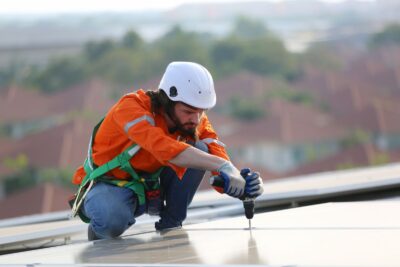
Your roof is one of the most critical components of your property, and a flat roof requires diligent care to perform its best. By conducting regular inspections, keeping it clean, and addressing minor issues promptly, you can prevent small problems from turning into catastrophic failures.
A flat roof is a stylish and space-efficient option for many modern buildings, but its unique design requires specific attention to prevent serious issues.
Unlike sloped roofs that naturally shed water, flat roofs can accumulate moisture, debris, and suffer from sun exposure, leading to potential damage.
Regular maintenance is not just a recommendation; it’s essential to protect your property from costly leaks, structural damage, and premature roof failure.
Understanding the basics of flat roof care can significantly extend its lifespan and save you thousands of dollars in the long run.
This guide will walk you through the common problems flat roofs face, how to inspect them, and what maintenance steps you can take yourself. We will also cover when it’s time to step back and call in the professionals.
Proper upkeep ensures your roof remains a durable shield for your home or business.
Identifying Potential Problems
The first step in effective maintenance is knowing what to look for. Flat roofs are susceptible to a unique set of challenges that can escalate quickly if ignored.
One of the most frequent issues is ponding water, which occurs when water gathers in low spots for more than 48 hours after rainfall.
This standing water accelerates the deterioration of roofing materials and can eventually lead to leaks.
Another common problem is blistering or alligatoring, where the roof’s surface develops cracks resembling reptile skin due to sun exposure and age.
These cracks compromise the waterproof membrane, creating entry points for water.
Also, be mindful of debris accumulation, such as leaves, branches, and dirt, which can clog drainage systems and retain moisture against the roof surface.
NOTE: Clogged drains are a primary cause of major leaks and structural stress on flat roofs.
Regular Inspection Checklist
Performing routine inspections is the most effective way to catch problems early.
We recommend you conduct a visual inspection at least twice a year—once in the spring and again in the fall—and after any major storm.
When you inspect your roof, use this checklist to guide you:
- Check for Ponding Water: Look for areas where water has pooled. Mark these spots for monitoring, as they may require leveling or improved drainage.
- Inspect the Drains: Ensure gutters, scuppers, and internal drains are clear of debris. Clogged drains are a leading cause of flat roof failure.
- Examine the Surface: Look for blisters, cracks (alligatoring), or punctures in the roof membrane. Pay close attention to seams and flashing, as these are common failure points.
- Look for Plant Growth: Moss, algae, or other vegetation can take root and damage the roofing material. These should be removed promptly.
- Check Flashing: Inspect the metal strips around vents, chimneys, and skylights. Ensure the flashing is secure and sealed to prevent water from seeping in at these vulnerable junctions.
Essential Maintenance Tips
Once you’ve identified potential issues, it’s time for some hands-on maintenance. These proactive steps will help prolong your roof’s life.
First, regularly clean your roof and drainage systems. Use a soft brush or leaf blower to remove leaves, dirt, and other debris. This prevents clogs and allows water to drain properly.
Next, address minor surface issues immediately. If you find small punctures or cracks, you can often apply a professional-grade sealant or patch as a temporary fix.
However, for anything more than a minor repair, it’s wise to consult a professional.
For larger cracks or widespread blistering, professional intervention is necessary to ensure a durable and waterproof seal.
Knowing Your Limits
While DIY maintenance can handle minor tasks, some jobs are best left to the experts.
Knowing when to call a professional is crucial to avoid causing more harm than good.
You should contact a professional roofing contractor if you notice large areas of ponding water, extensive blistering or cracking, or visible sagging in the roof deck.
These are signs of significant underlying problems that require specialized knowledge and equipment to resolve.
Attempting complex repairs without the proper experience can lead to improper seals, further damage, and even personal injury.
A certified roofer can accurately diagnose the root cause of the problem and recommend the best course of action.
If you’re in need of expert advice or professional services, the team at Saratoga Roofing offers comprehensive roofing repair services to ensure your roof is in top condition.
Answering Common Questions
Frequently Asked Questions
- How often should I have my flat roof professionally inspected?
It’s recommended to have a professional inspection at least once a year, ideally in the fall before winter weather sets in. - Can I walk on my flat roof?
Limit foot traffic as much as possible. When you do walk on it for inspections, wear soft-soled shoes and walk gently to avoid damaging the membrane. - What is the average lifespan of a flat roof?
The lifespan varies by material. EPDM (rubber) roofs can last 25-30 years, TPO can last 20-30 years, and built-up roofs (BUR) can last 15-20 years with proper maintenance. - Is it normal for a flat roof to have some standing water?
A small amount of water that evaporates within 48 hours is acceptable. If water remains longer, it’s considered ponding and needs to be addressed. - Can I coat my flat roof to extend its life?
Yes, applying a reflective roof coating can protect the surface from UV damage, reduce cooling costs, and seal minor cracks, extending its lifespan. - What should I do if I find a leak?
If you discover a leak, try to identify the source and make a temporary patch if possible. Then, call a professional roofer immediately to perform a permanent repair. - How do I remove moss or algae from my roof?
Use a solution of water and bleach or a commercial roof cleaner. Gently scrub with a soft brush and rinse thoroughly. - Are flat roofs more expensive to maintain than sloped roofs?
They can be if neglected. However, with regular, proactive maintenance, the costs are comparable. - What causes a flat roof to blister?
Blisters are caused by trapped moisture or air between the layers of the roofing material, which expands when heated by the sun. - Can I install equipment like solar panels or an AC unit on my flat roof?
Yes, but it must be done professionally. Proper installation requires specialized mounting and sealing to prevent leaks and structural issues.
Feature Image Source: Envato
View the original article and our Inspiration here
Leave a Reply