
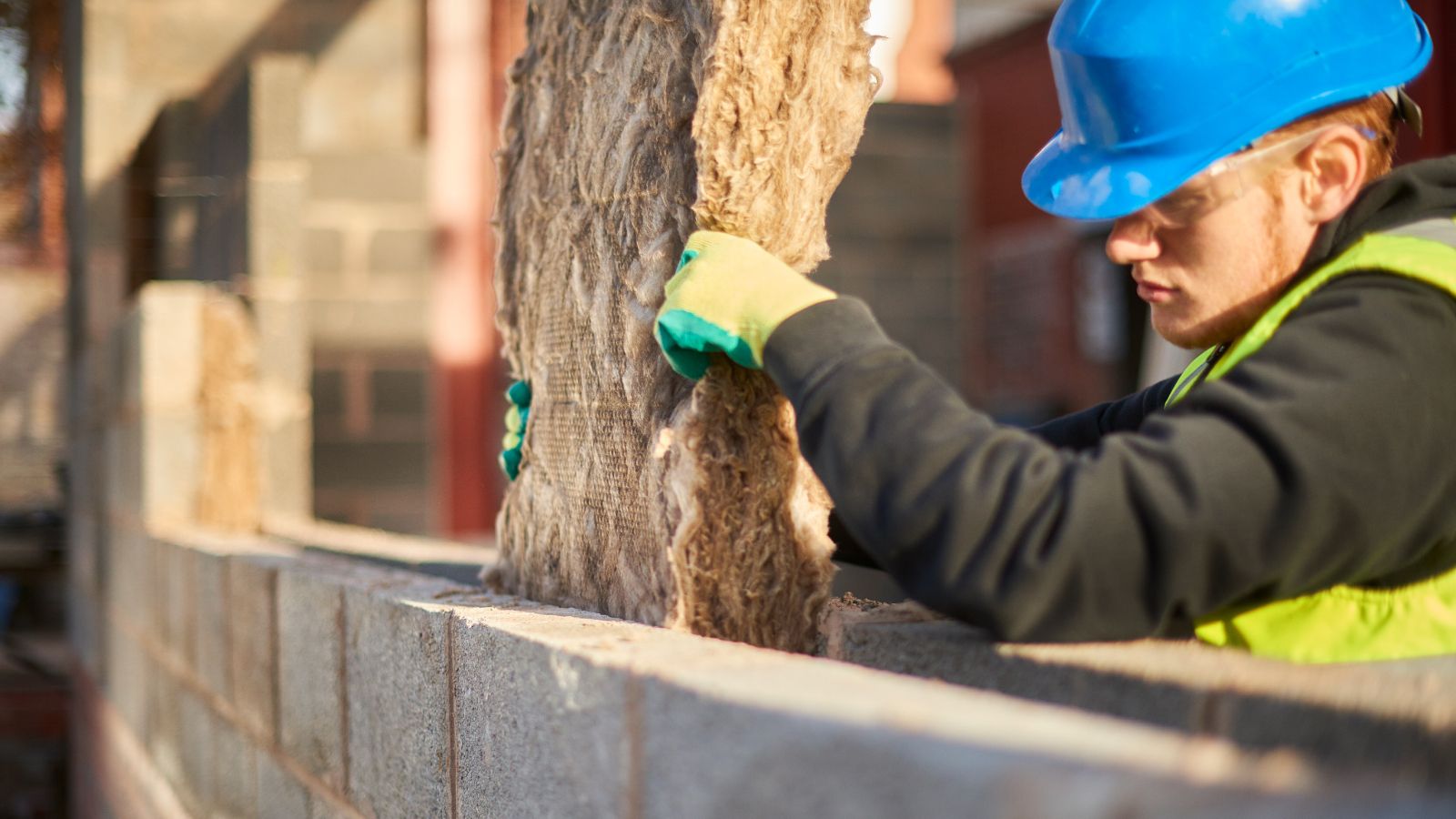
Thousands of UK homes upgraded under government insulation schemes now face serious defects, damp, and potential safety hazards, leaving families exposed to potentially unaffordable repair bills.
Audits reveal that 98 % of external wall insulation and nearly a third of internal installations were defective, while fewer than 10 % of affected homes had been fixed by late 2025.
Experts warn that systemic oversight failures and underfunded guarantees mean the financial burden could fall on households rather than the state.
‘Catastrophic fiasco’ leaves homes damaged
A parliamentary audit reveals that homes upgraded under ECO4 and the Great British Insulation Scheme launched to cut bills and improve energy efficiency – instead face widespread substandard work and ongoing costs.
Sir Geoffrey Clifton‑Brown, Chair of the Public Accounts Committee (PAC), called the result of the scheme “the most catastrophic fiasco” he has seen in his 12 years on the committee.
He said: “Potentially thousands of people are now living with health and safety risks in their homes, and we have nowhere near enough assurance that they are not financially exposed to unaffordable bills to repair defective works.”
The National Audit Office found that in inspections up to mid‑January 2025, 98 % of external wall insulation and 29 % of internal installations were defective, creating health risks and structural problems for households.
Fraud fears compound the crisis
The PAC report highlights systemic weaknesses that no single organisation had responsibility for preventing fraud or poor quality.
Ofgem has flagged installations worth 1.75 % of scheme value as fraudulent, but MPs suspect the true figure is much higher due to non‑compliance and weak monitoring.
Sir Geoffrey Clifton‑Brown said: “The levels of non‑compliance found here are so high that this matter should be referred to the Serious Fraud Office.”
TrustMark, the government‑endorsed quality scheme, has been criticised for failing to identify risks early, auditing less than 10 % of affected homes by September 2025. This leaves households uncertain if their properties will ever be properly fixed.
Households face bills beyond guarantees
Original installers are meant to fix defects, with guarantee providers covering costs up to £20,000, but some cases reportedly exceed this, leaving households potentially liable.
Campaigners warn that families who thought they were signing up for lower bills and warmer homes now risk extensive repairs and health hazards.
Jess Ralston, Head of Energy at the Energy & Climate Intelligence Unit (ECIU), offered broader context in response to ongoing policy discussions this week, saying: “This report shows that people’s homes and lives have been damaged by these faulty installations… There has clearly been a lack of proper regulation going back many years, but this government now has an opportunity to bring in proper standards in the Warm Homes Plan.”
Government ministers state that no household should have to pay to fix defects, but the PAC report warns there is no credible, funded plan yet to guarantee this outcome.
View the original article and our Inspiration here
Leave a Reply