
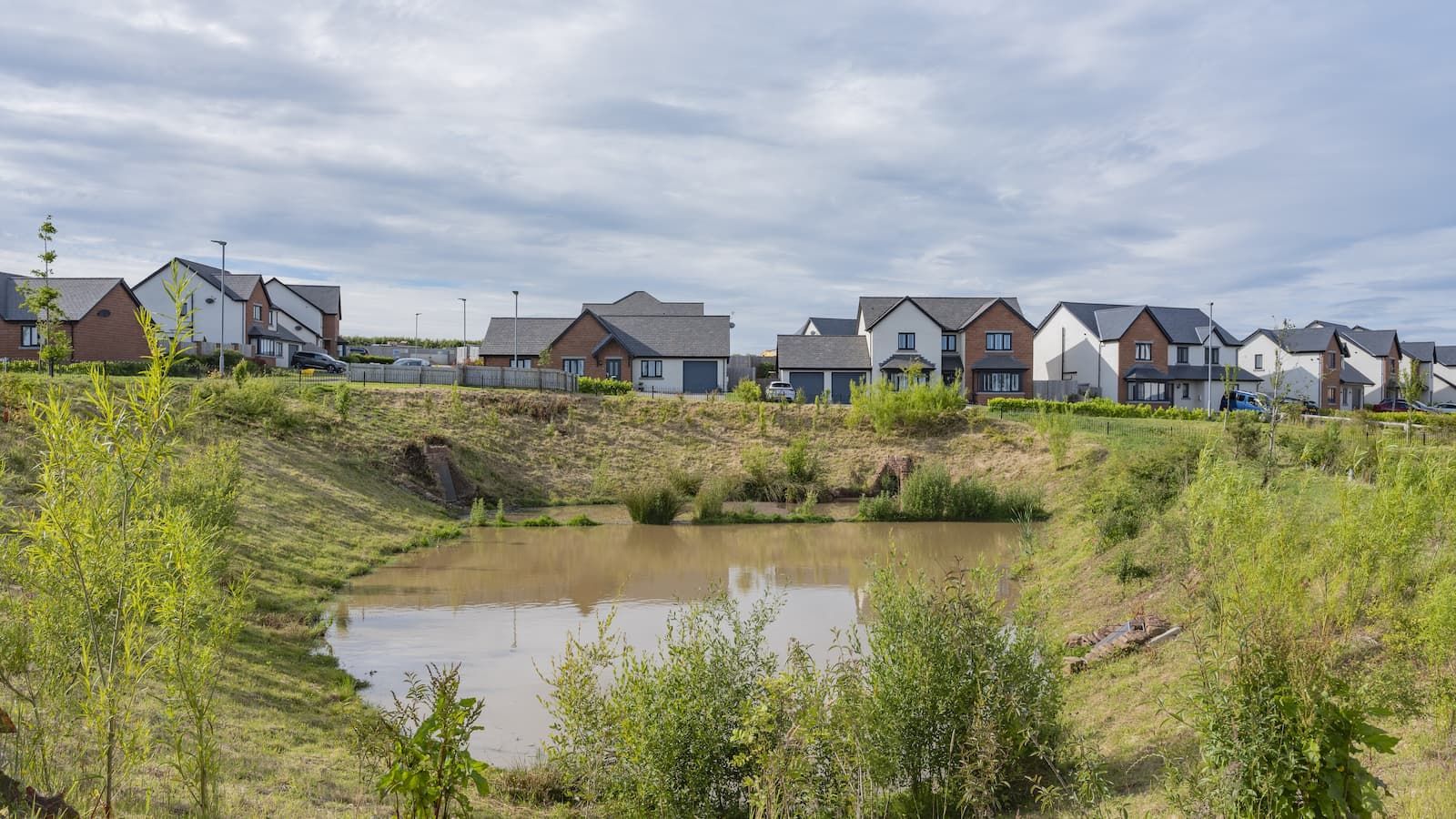
Across Cumbria, plans to build new homes have been left waiting in the planning system, not because of design or location issues, but because of phosphorus levels in nearby rivers and lakes.
Since 2022, nutrient neutrality rules have required anyone seeking planning permission in affected areas to show that new housing will not add to nutrient pollution, or that it will be fully offset before approval can be given.
According to local councils, the requirement has delayed thousands of homes and changed how planning permission decisions are made across large parts of the county.
What nutrient neutrality means for planning
Nutrient neutrality applies in catchments where rivers and lakes – including the River Eden, River Derwent and Bassenthwaite Lake, River Kent and Esthwaite Water – are in an “unfavourable condition” due to phosphorus.
Councils now require homebuilders to demonstrate mitigation measures before applications can even be validated. Measures include wetlands, riparian buffers, woodland planting, or upgrades to septic tanks and small treatment systems to offset nutrient contributions.
Until these measures are in place, applications are effectively on hold and can significantly delay or halt planning approvals for houses altogether.
Impact on homes and development in Cumbria
In Cumbria, plans to build new homes have been delayed because planning permission cannot be granted until nutrient impacts on rivers and lakes are addressed.
Catchments including the River Eden, River Derwent and Bassenthwaite Lake, River Kent and Esthwaite Water are affected, as they are already in an “unfavourable condition” due to phosphorus levels.
Local authorities estimate that around 3,600 homes are currently stalled, with up to 13,000 more potentially affected, while suitable measures are identified and implemented.
The additional requirements have introduced delays and uncertainty into the planning process, particularly for smaller housing schemes, leaving many projects unable to move forward even when other planning conditions are met.
Councils have said these delays show the scale of the impact on housing delivery across Cumbria, with whole developments remaining on hold until planning applications can demonstrate nutrient neutrality.
How will nutrient neutrality issues be resolved?
The three local authorities – Cumberland Council, Westmorland and Furness Council, and Lake District National Park Authority – secured £16.4 million from the Local Nutrient Mitigation Fund in 2024 to help deliver mitigation projects and support stalled planning applications.
The Nutrient Neutrality Northwest Partnership has appointed specialist contractors to upgrade septic tanks and small wastewater systems across affected catchments, generating nutrient credits developers can use to progress applications.
Cllr Mark Fryer, Leader of Cumberland Council, said: “We welcome the investment from Government. This issue has held back growth in our area and this funding will allow us to support housing development plans and drive forward plans that, up to now, have been stalled.”
A credit trading scheme is also expected later in 2026, allowing developers to buy mitigation credits from regional projects rather than deliver solutions individually at each site.
View the original article and our Inspiration here
Leave a Reply