
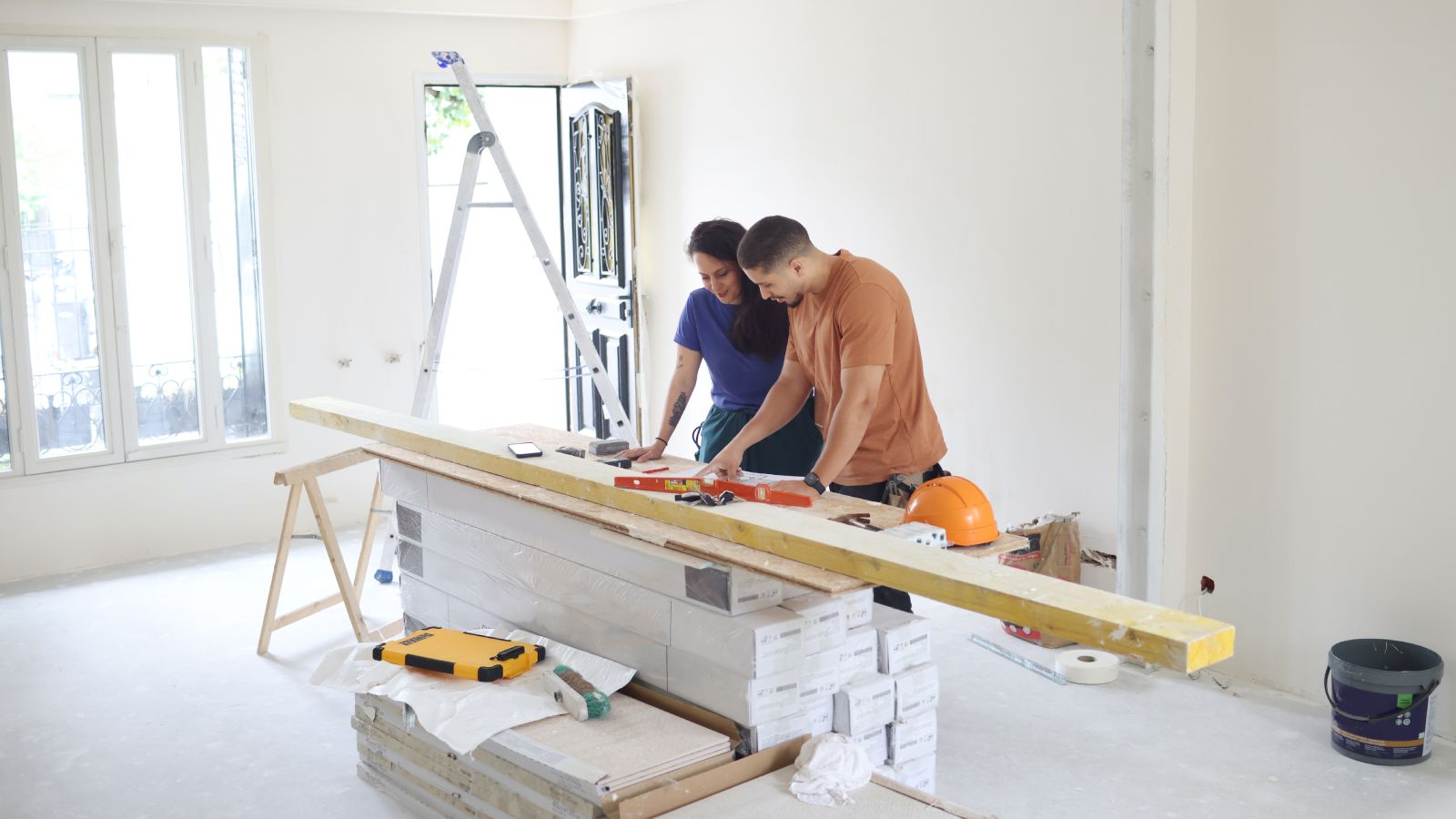
If you’re planning on renovating your home – whether gutting an old property, extending its living space, or carrying out structural repairs – you may be able to avoid council tax while your home is uninhabitable.
Martin Lewis, founder of MoneySavingExpert.com, highlights on his website that empty homes undergoing “major repair work or structural alterations” may qualify for a temporary exemption or discount that many homeowners don’t realise exists.
With council tax often running into thousands of pounds for higher-band properties, knowing when and how to claim could make a substantial financial difference for self-builders, landlords refurbishing, or families undertaking long-term projects.
What home projects can make you exempt?
According to official UK government guidance, properties that are empty while undergoing major repairs or structural alterations to make them habitable may qualify for an exemption from council tax for up to 12 months.
Examples of renovations that can qualify include:
- Structural repairs or rebuilding of external walls, roof structures, or foundations.
- Extensions or adding new floors, which alter the physical fabric of the building.
- Accessibility adaptations for disabled occupants, such as new accessible bathrooms, widened doorways or downstairs bedrooms.
Work that generally does not qualify includes minor repairs, decorating, or routine kitchen and bathroom replacements, as these are considered cosmetic rather than structural.
Martin Lewis points out on MoneySavingExpert.com that if your property fits this category, you may be eligible for a council tax exemption for up to a year – a saving many homeowners overlook.
Why this makes you exempt and how much can you save
Council tax is calculated based on occupancy and habitability. If a home is empty and uninhabitable due to renovations, councils can treat it differently from a property you live in, potentially granting a full exemption or a significant discount.
The exact savings depend on your council tax band and local rates. For example, a Band D property could save over £1,000 per year, while Band E or F homes could save even more. These figures are based on typical 2026 council tax rates for England and Scotland, aligned with Martin Lewis’s examples on MoneySavingExpert.
Some councils may offer partial discounts if the property is empty and under renovation but does not meet the criteria for full exemption, so even if your work doesn’t qualify for a 12-month exemption, you could still save significantly.
Exemptions for council tax are not automatic
Although many homeowners do not have to pay council tax when renovating their homes, the process is not done automatically.
To claim a council tax exemption while your property is uninhabitable you need to review the official government guidance on empty property exemptions at Gov.uk.
You should also contact your local council’s council tax team before starting renovations to explain that your home will be uninhabitable due to major structural works.
Applications can typically be submitted online through your council’s portal or via email to the council tax office. Each council has slightly different processes, so check your local authority website for the correct forms. Once renovations are complete and the property is habitable again, notify the council so regular council tax charges resume.
Major structural renovations can trigger council tax relief, potentially saving homeowners £1,000s per year. Early application with your council and proper documentation is essential to secure exemptions or discounts, helping self-builders, renovators, and property owners reduce renovation costs while making their homes habitable again.
View the original article and our Inspiration here
Leave a Reply