
The plan includes three pillars which offer:
Direct support for low-income families
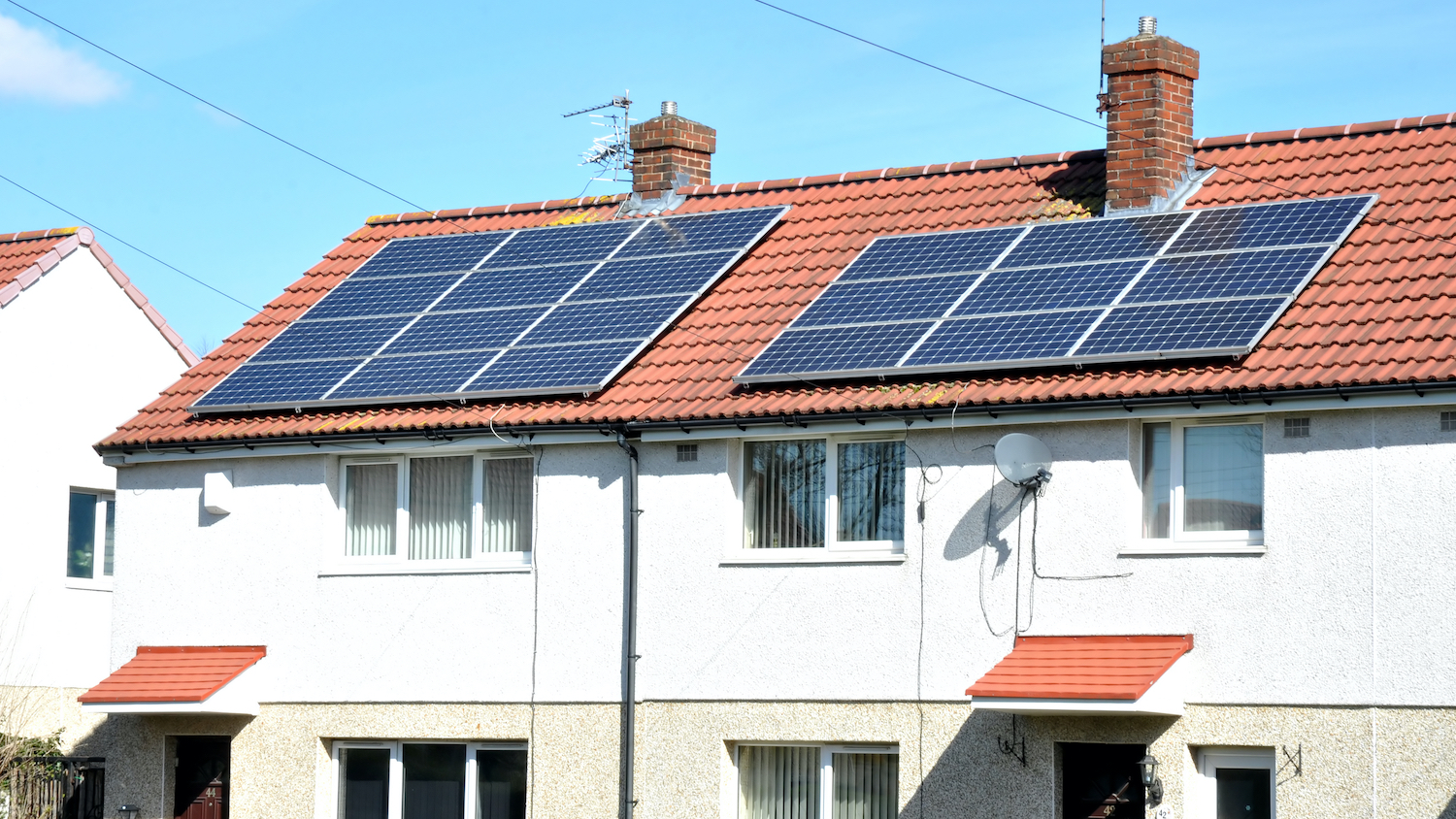
Low-income households will receive free packages of upgrades, depending on what technologies are most suitable for their homes. For example, fully-funded installations of solar panels and a battery, to the full average cost (currently £9,000-£12,000). For social housing residents, this could mean upgrades to entire streets at the same time.
An offer for everyone
A government-backed, zero and low interest loans programme to support the installation of solar panels and new rules that mean every new home will come with solar panels by default. This plan will triple the number of homes with solar panels on their rooftops by 2030. A £7,500 universal grant for heat pumps will also be available, as well as ‘air-to-air heat pumps’ that can also cool homes in the summer.
New protections for renters
Updated protections for renters will mean landlords have a responsibility to ensure that rented homes – both private and social – are safe, warm and affordable. By supporting landlords to make these upgrades over several years, the government estimates that around half a million families will be lifted out of fuel poverty by the end of the decade.
View the original article and our Inspiration here
Leave a Reply