
Imagine getting up to £30,000 to make your home safer, more accessible, and smarter, all without spending a penny of your own money.
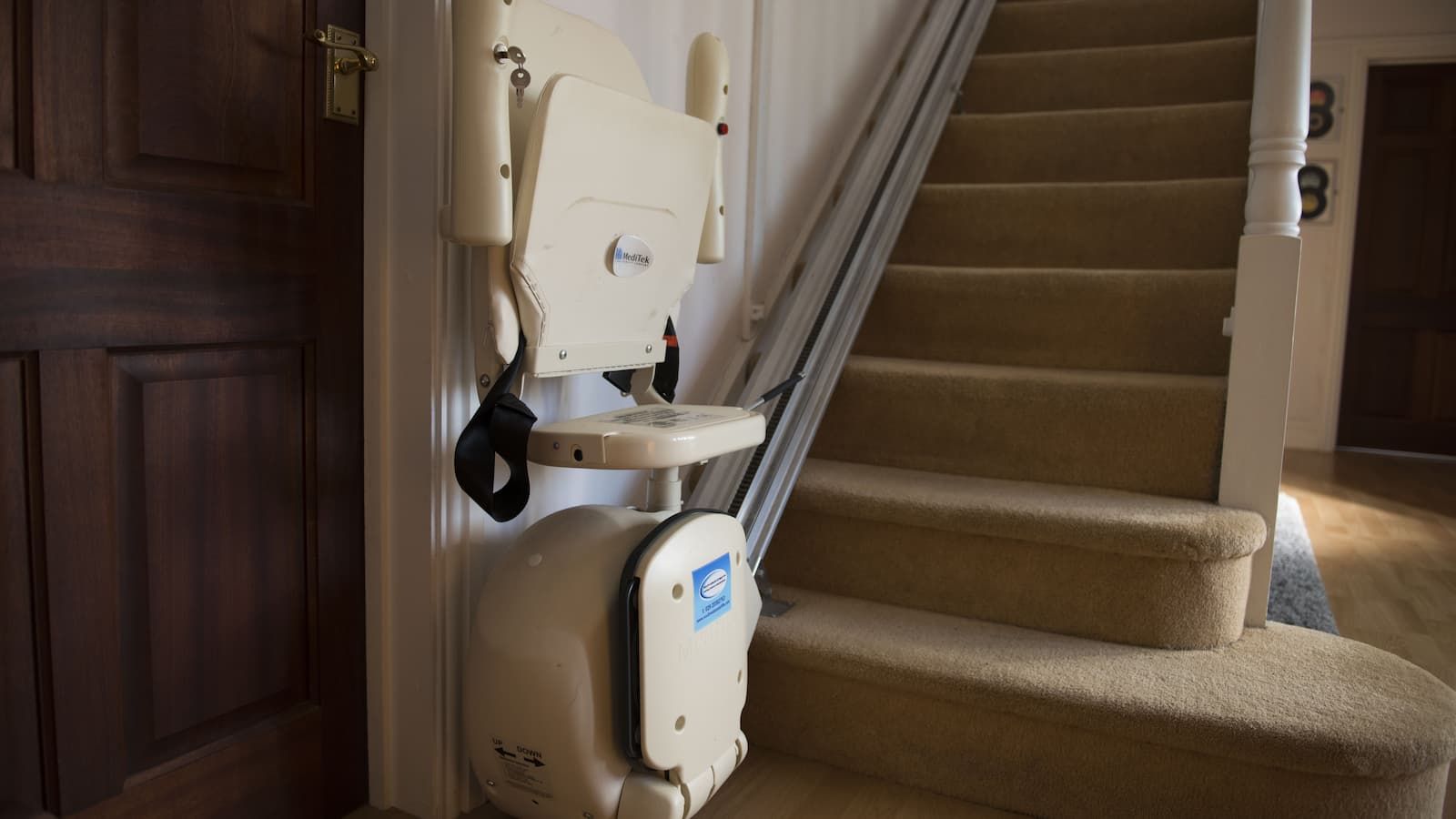
The Disabled Facilities Grant (DFG) can help you fund stairlifts, ramps, accessible bathrooms, and smart home technologies that make daily life easier for older or disabled household members.
With a newly announced £50 million boost, thousands more homeowners could qualify in 2026, turning long‑planned renovations into reality while improving safety and independence.
What is the Disabled Facilities Grant and what can it be used for?
The Disabled Facilities Grant is a long-running, statutory government scheme delivered by local councils.
In England, eligible applicants can receive up to £30,000 per application to help cover the cost of home renovations that support independent living.
Adaptations funded through the DFG can include stairlifts, ramps, widened doorways, level-access showers, improved lighting, and smart or assistive technologies. For adults, the grant is means-tested based on income and savings, while adaptations for disabled children are not means-tested.
Why the government is increasing funding
The government has announced an extra £50 million for the Disabled Facilities Grant in 2025–26, bringing total funding to £761 million.
The additional funding is intended to help more people remain safely in their own homes for longer, while reducing pressure on health and care services by preventing falls and enabling quicker hospital discharges.
Millie Brown, Deputy Director for Homes at the Centre for Ageing Better, said: “We welcome the additional funding for the Disabled Facilities Grant [DFG] which will help thousands more people to feel safer in their own homes and to have greater independence.
“Improving accessibility and reducing the falls risk in people’s homes offers excellent value for taxpayers’ money. Every £1 spent on home improvements to reduce falls lead to £7.5 worth of savings for the health and care sector.”
Who may miss out – and what needs to change
Despite its benefits, awareness of the Disabled Facilities Grant remains low, and access to support can vary widely depending on where people live.
Application processes and local delivery services are inconsistent, which can make it harder for people on lower incomes or with limited support to benefit from the scheme.
Millie Brown added: “We know that the DFG can be a lifeline for people who are able to navigate the process, but the system is far from perfect.
“There is also a lack of awareness about what is available through the DFG scheme among those who might benefit, who is eligible and how to apply. Services at a local level to deliver home improvements are varied and patchy across the country.
She adds that: “Establishing a national network of one-stop shops known as Good Home Hubs would create a trustworthy and reliable source of information to access advice and support on this issue for residents regardless of where they lived.”
Whether you’re planning a stairlift, a new ramp, or a full accessible bathroom, the Disabled Facilities Grant could cover the costs and help you renovate on a budget while making your home safer and more comfortable.
Funding is distributed through local councils, so it’s worth checking your eligibility early and getting advice on the application process.
With the government’s latest £50 million boost, now could be the perfect time to turn your home improvement plans into reality – improving safety, independence, and accessibility without breaking the bank.
View the original article and our Inspiration here
Leave a Reply