
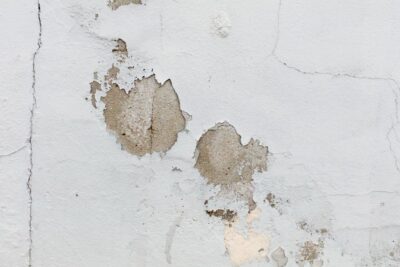
Waterproof plasters are essential for protecting structures from moisture damage, particularly in wet areas, basements, and exterior walls. Despite their critical role in modern construction, failures remain common on job sites.
Understanding why these failures occur helps contractors, site supervisors, and project managers prevent costly rework and structural damage.
Here are the primary causes of waterproof plaster failure and how to avoid them.
Inadequate Substrate Preparation
Poor surface preparation is the leading cause of waterproof plaster failure. The substrate must be clean, sound, and properly prepared before any waterproofing material can perform effectively.
Common substrate issues include dust and debris that prevent proper bonding. Oil contamination from formwork release agents blocks adhesion. Loose or friable surfaces create unstable foundations. Uneven substrates with bumps, ridges, or depressions prevent uniform coverage and create voids where water can collect.
How To Fix
Before applying waterproof plasters, surfaces must be thoroughly cleaned using mechanical methods like wire brushing or high-pressure washing. All loose material should be removed. Any oil or grease contamination needs treatment with appropriate degreasers. The surface should be inspected for soundness, with weak areas repaired before waterproofing begins.
Incorrect Mix Proportions
Mixing errors undermine the effectiveness of waterproof plasters from the start. The proper ratio of cement to sand to waterproofing additive is crucial for achieving the intended performance.
The standard proportion for waterproof cement plaster is four parts sand to one part cement by volume, not by weight. This distinction matters. Many site workers measure by weight out of habit, which throws off the ratio significantly. The waterproofing additive typically requires a ratio of one part additive to 10 parts water. Deviating from this specification reduces the waterproofing capacity substantially.
Overmixing or undermixing also causes problems. Insufficient mixing leaves pockets of unmixed materials that create weak points. Excessive mixing can break down the waterproofing compounds and introduce too much air, weakening the final product.
Resolve by
Site supervisors should provide clear mixing instructions and ensure workers understand they’re measuring by volume. Using standardized buckets or containers helps maintain consistency across the project. Regular spot checks during mixing verify compliance with specifications.
Insufficient Substrate Wetting
One of the most overlooked causes of failure is inadequate wetting of the substrate before plaster application. This seemingly simple step is critical to the chemical reaction that allows waterproof mortars to set properly.
Dry substrates act as sponges. They absorb water from the fresh plaster mix, interrupting the chemical reaction needed for proper curing. When water is drawn out prematurely, the waterproofing compounds cannot fully activate. The plaster loses its moisture-resistant properties even though it appears to have set normally.
Solution
The wetting process requires more than a quick spray from a hose or bottle. The substrate should be saturated thoroughly, allowed to absorb water until it reaches a saturated surface-dry condition. This typically means wetting the wall several times over 30 to 60 minutes before plastering begins.
In hot weather or windy conditions, substrates dry quickly and may need additional wetting. Workers should check that the surface remains damp throughout the application process. A properly wetted substrate appears uniformly damp without standing water or dry patches.
Inadequate Layer Thickness
Thickness matters significantly for waterproof plasters. Applying material too thin compromises its protective capability. The minimum thickness for waterproofing cement plaster is typically five to eight millimeters.
A common mistake occurs when workers over-trowel the surface, pressing down excessively until the layer becomes too thin. The action of heavy troweling can reduce a properly applied thickness by half. When the waterproofing layer drops below the minimum specification, it cannot perform as designed. Water finds pathways through the thinner sections.
How To Fix
Contractors should mark required thickness at multiple points on the wall before beginning work. Using thickness gauges or depth markers helps maintain consistency. Workers need clear instruction that achieving a smooth finish is secondary to maintaining proper thickness. The troweling technique should smooth the surface without compressing it excessively.
Rapid Drying and Insufficient Curing
The chemical reactions that give waterproof plasters their protective properties require time and moisture. When plaster dries too quickly, these reactions stop prematurely. The material hardens but never reaches its full waterproofing potential.
Several site conditions accelerate drying beyond acceptable limits. Direct sunlight on fresh plaster pulls moisture out rapidly. Wind creates similar effects, especially when combined with low humidity. High ambient temperatures speed evaporation significantly.
Important Tip
The waterproof plaster should be protected immediately after application. If the next layer of thick plaster cannot be applied within 30 minutes, the waterproof coat risks drying out. Once the waterproofing layer dries prematurely, it loses effectiveness even if subsequent layers are applied correctly.
Proper curing requires keeping the plaster moist for several days after application. This can be achieved through regular water spraying, covering with damp burlap, or using curing compounds. In extreme conditions, temporary shading may be necessary to prevent rapid drying. The curing period typically extends for at least seven days, with the surface kept continuously moist.
Wrong Material Selection
Not all waterproofing products work in all situations. Using the wrong type of waterproofing material for the specific application guarantees failure. The construction market offers numerous waterproofing chemicals, each designed for particular conditions and substrates.
Site conditions also dictate material selection. Basement waterproofing requires products that withstand hydrostatic pressure. Exterior wall systems need UV resistance and flexibility to accommodate thermal movement. Interior wet areas like bathrooms need products compatible with tile adhesives and grouts.
How To Solve
Specification review should verify that selected materials suit the application. Product data sheets contain crucial information about compatible substrates, environmental limitations, and system requirements. When multiple products must work together, compatibility testing or manufacturer verification confirms they will perform as a system.
Lack of Proper Priming
Primers serve multiple essential functions in waterproofing systems. They improve adhesion between the substrate and waterproofing material. They help achieve uniform absorption rates across the surface. They can seal porous substrates and prevent air pockets that would otherwise form beneath the waterproofing layer.
Skipping the priming step or using incorrect primers accounts for many adhesion failures. The waterproofing membrane or plaster may initially appear well-bonded, but over time it delaminates as it cannot maintain mechanical or chemical adhesion without proper priming.
Expert Advice
Application of primer must follow manufacturer guidelines regarding coverage rate, drying time before overcoating, and temperature restrictions. Insufficient primer creates areas of poor bonding. Excessive primer can create a barrier that prevents proper adhesion of the waterproofing layer.
Time constraints often lead to applying waterproofing before the primer has properly dried, trapping solvents or water that later cause blistering and delamination.
Preventing Waterproof Plaster Failures
Success with waterproof plasters requires attention to detail at every stage. The foundation is proper planning that includes verifying material compatibility, ensuring suitable weather windows, and organizing work sequences to avoid delays between critical steps.
Training and supervision make the difference between successful and failed installations. Workers need to understand not just what to do but why each step matters. When they understand that inadequate substrate wetting prevents chemical reactions rather than just being a checklist item, they’re more likely to perform the task thoroughly.
Material quality cannot be compromised too. Using approved products from reputable suppliers and storing them properly maintains their designed performance characteristics. Expired materials or those stored in extreme conditions may appear normal but have degraded waterproofing properties.
The cost of prevention is always less than the cost of failure. Waterproofing repairs often require extensive demolition to access the failed system. The direct costs of repair multiply when consequential damages to finishes, contents, and lost building use are included. Properly executed waterproofing the first time protects both the building and the contractor’s reputation.
View the original article and our Inspiration here
Leave a Reply