
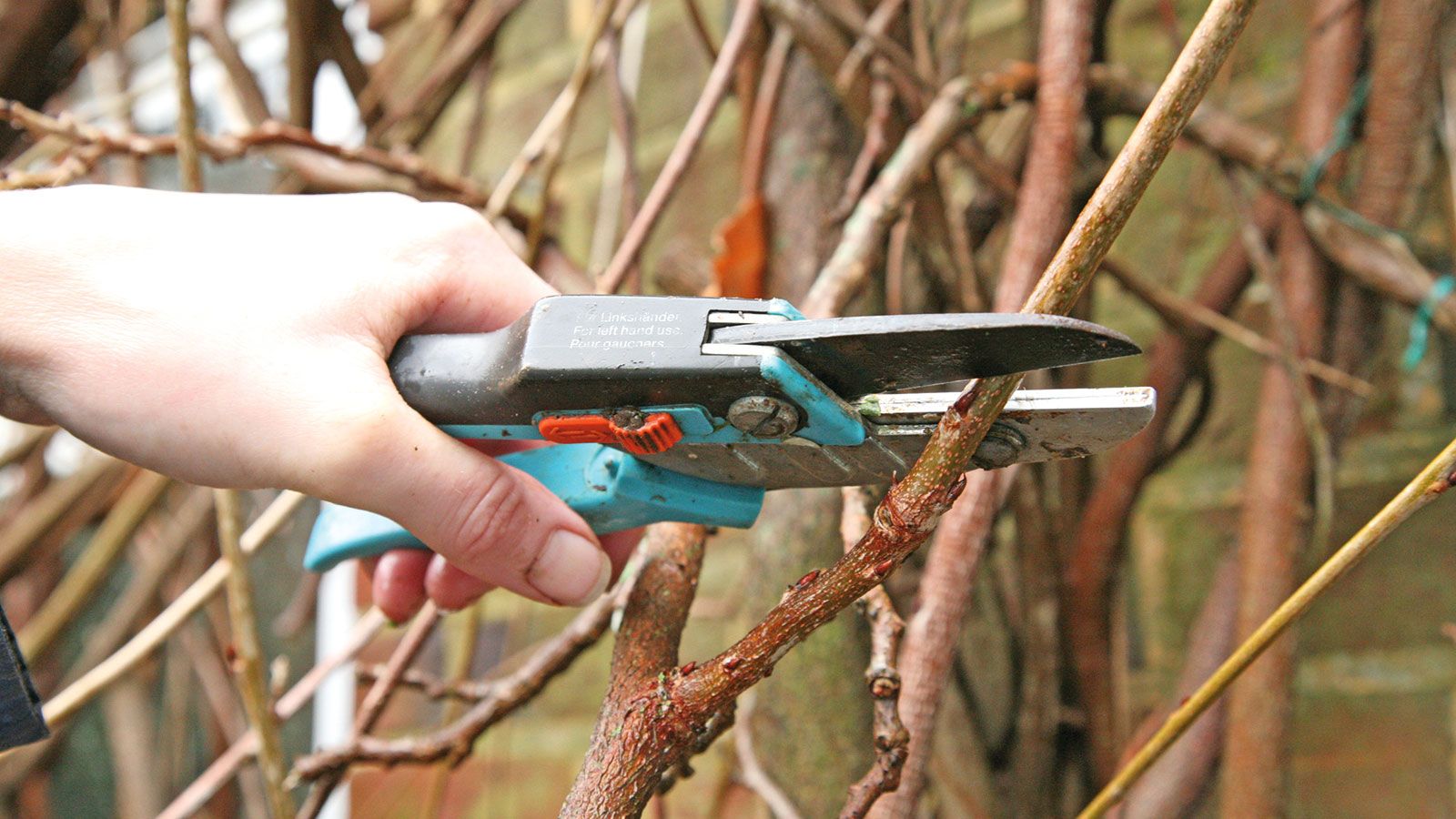
Even though it’s a quieter time of year in the garden, there are still plenty of January gardening jobs to tackle, especially if it’s crisp and sunny. There is pruning to be done, it’s a good time to move shrubs, and you can also plant bare-root trees and bushes.
The good news is you can ease up on tidying in January, especially if you want to attract wildlife. Let the dormant garden rest, and leave any stems and foliage that’s died back to create a habitat. Let the compost heap rest too so you don’t disturb any hibernating animals sheltering there.
When the weather is too bad to be outside it’s a good time to plan your garden design for the season ahead, so browse seed catalogues and make a wishlist of everything you want to grow this year. There are plenty of seeds you can start growing too, especially if you have a sunny windowsill or electric propagator.
1. Prune fruit trees
Established apple and pear trees benefit from being pruned every winter to keep them healthy and producing a decent harvest. “January is a great time to prune any fruit trees you have in your garden while they are dormant,” says landscape gardener Simon Parry. You will need a clean pair of secateurs like these Fiskars Bypass Garden Pruners from Amazon, plus something to tackle thicker branches like this Spear & Jackson Folding Pruning Saw from Amazon.
“Cut branches back to the healthy wood and remove any branches that rub against each other,” advises Simon. “This can help increase airflow to the tree while preventing the risk of infection. You can also shorten branches to help shape the tree if it has been taking up too much space.”
Aim to remove no more than 20% of the canopy of the tree. Work evenly around the tree and avoid over pruning, as this can make the tree produce vigorous upright branches instead. You’ll want to know which trees to prune in spring too in a couple of months time.

Simon Parry is a TrexPro composite deck installer for Trex UK and director of Simon Parry Gardening & Landscaping. Established in 2011, this specialist gardening company is based in south Birmingham and offers a range of services from basic mowing and maintenance to full garden transformations. Simon is dedicated to maintaining, developing and creating beautiful gardens for homeowners to enjoy.
2. Move small trees and shrubs
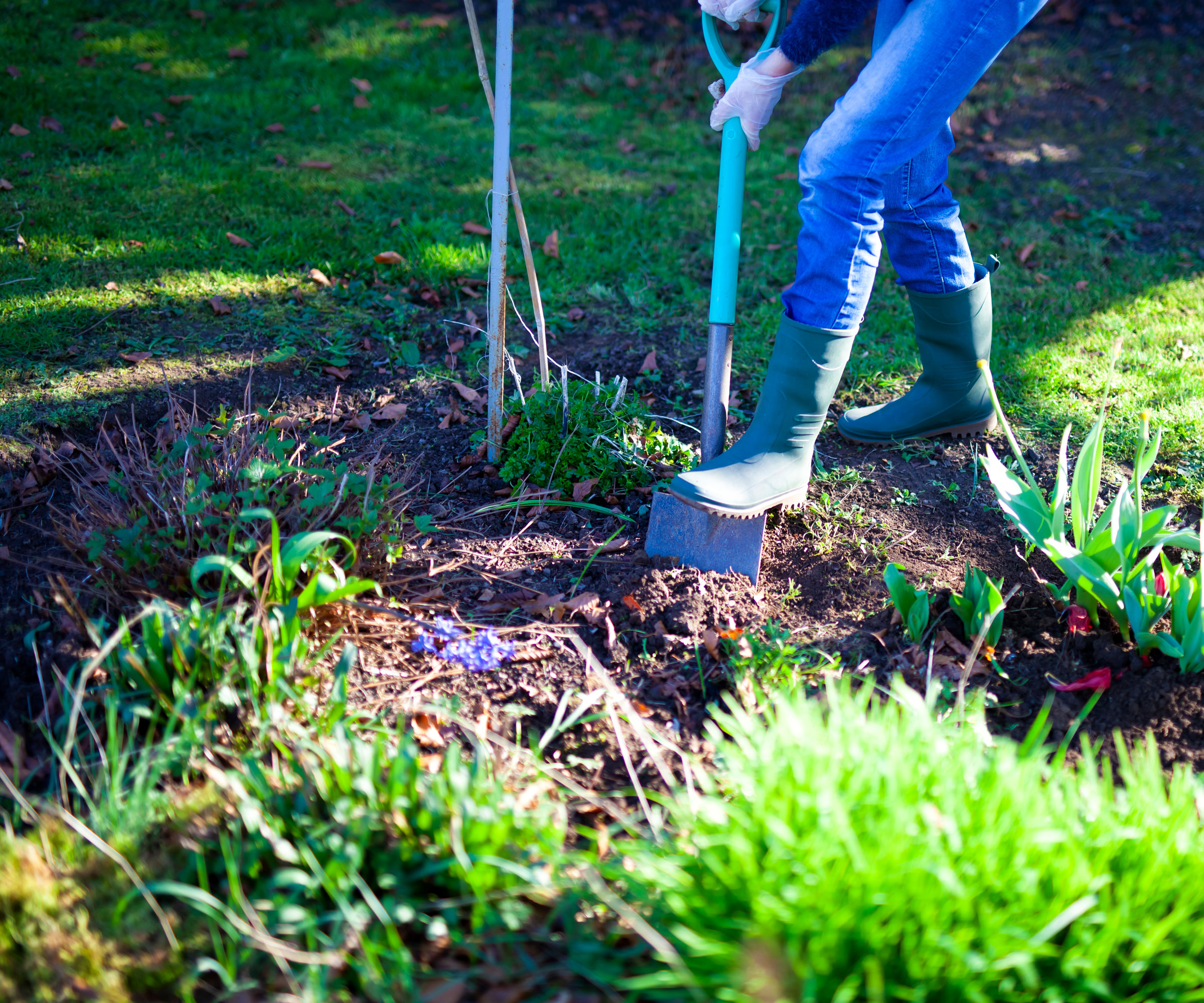
In January the garden is in its dormant phase so it’s much easier to see if deciduous trees and shrubs need to be moved if they’ve outgrown their space or aren’t thriving in that particular spot and will do better elsewhere in the garden.
If you’re planning on carrying out gardening landscaping work like this you can only do so if the ground isn’t frozen or waterlogged. Plant roots need to breathe, which waterlogged soil prevents, while freezing temperatures causes water in plant cells to expand and burst, so they will turn mushy.
Choose a fine day to dig the hole where you want the plant to move to. Then dig out soil from around the rootball of the tree or shrub you’re moving to prevent damaging it. Transfer to its new spot and firm the soil around it with your feet to ensure it’s well anchored.
When moving trees and shrubs be sure to water them regularly when they’re in their new home to help them get established. It’s also a good idea to add a protective layer of mulch around them, which also helps to kill weeds naturally in addition to feeding the soil with nutrients.
3. Renovate flowering plants like wisteria and roses
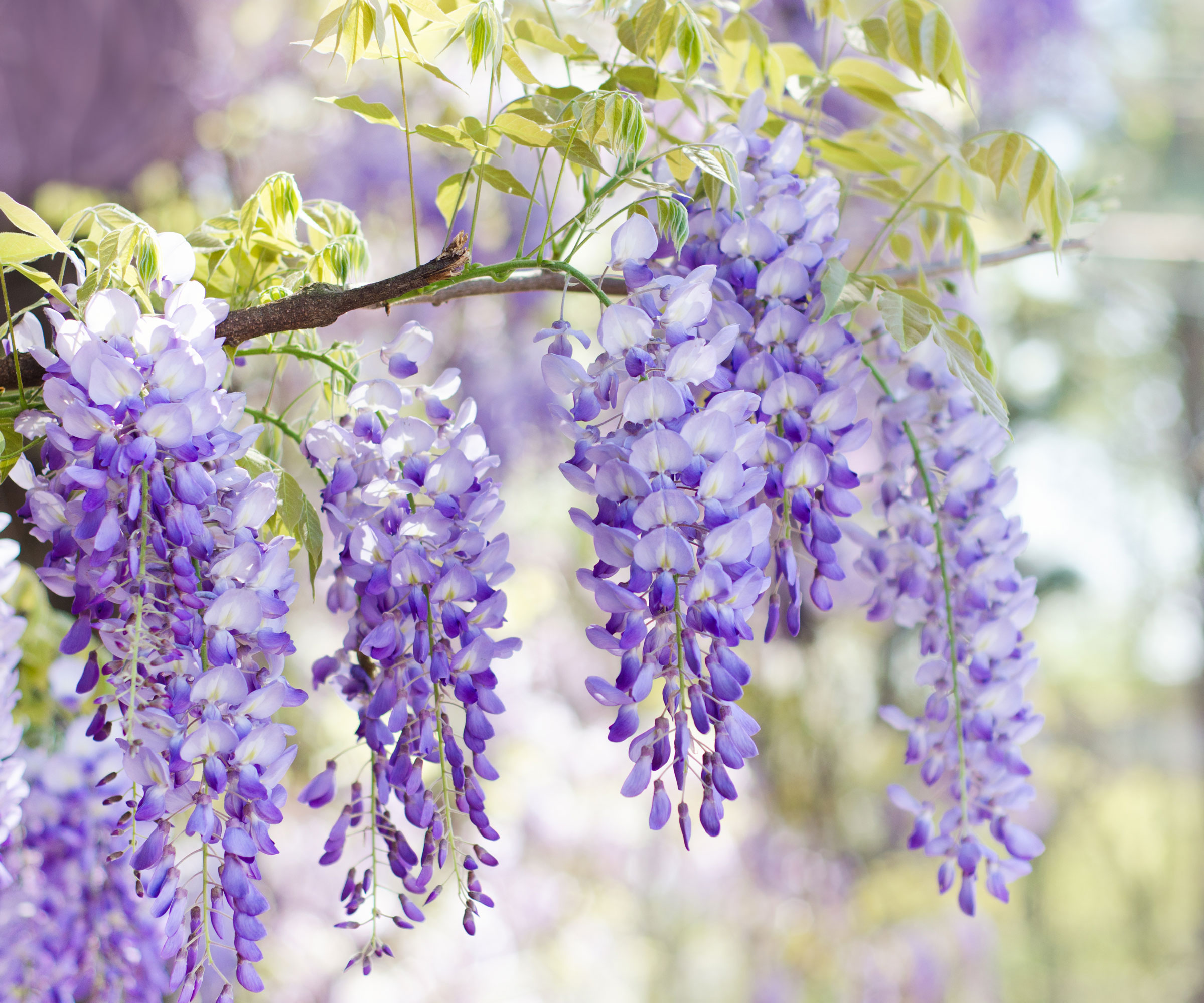
One of the main January gardening jobs is to renovate flowering climbing fence plants and shrubs to promote flowers and growth for the season to come. This includes roses, wisteria and some winter-flowering shrubs that have finished blooming.
Cut back bush and climbing roses hard to promote healthy growth and plenty of blooms in summer. “Roses should be cut back to remove dead growth and flowers,” says horticultural expert Richard Barker. “When pruning roses, cut the branches at an angle that slopes away from the healthy buds to prevent disease.” Cut all of last year’s new growth back to healthy buds, and cut back any weak shoots so the plant can put its energy into developing the stronger ones.
It’s also a good time to prune wisteria to remove wispy growth and old wood. “The plant should be pruned back to two buds, as hard pruning will help to control leafy growth produced later in the season,” says Richard. As well as now wisteria should be pruned again in summer, to keep it in check and promote flowering.
Winter-flowering shrubs that have finished blooming such as witch hazel can also be pruned now. If the plant needs to be renovated, or severely reduced, this can be done in winter before new growth begins. Remove old flowers and cut back to healthy outward facing buds.

Richard Barker is an expert in horticulture and the commercial director at LBS Horticulture. He is keen to share his knowledge with both experienced and beginner gardeners, and prides himself in keeping up to date with the latest horticultural trends.
4. Plant some instant winter colour

Every January garden looks 100% better if there is some colour in it. If you added some garden planter ideas and colourful bedding plants in borders in autumn hopefully they’ll still be looking good and offering plenty of colour and interest.
If these plants are looking tired (or you forgot to plant any) you can always top up with new plants now as well as right through the rest of the winter season, as long as the weather isn’t freezing.
Sturdy pansies, winter heathers, and dwarf hardy cyclamen are all good choices for a pop of colour when the rest of the garden is dormant, either planted in borders or in container gardens.
Fill in between your plants with berried wintergreen (Gaultheria procumbens), dwarf conifers, the evergreen perennial Ajuga reptans, and plenty of Bellis perennis plants, pretty double daisies that come in pink and white in late winter.
5. Look after wildlife
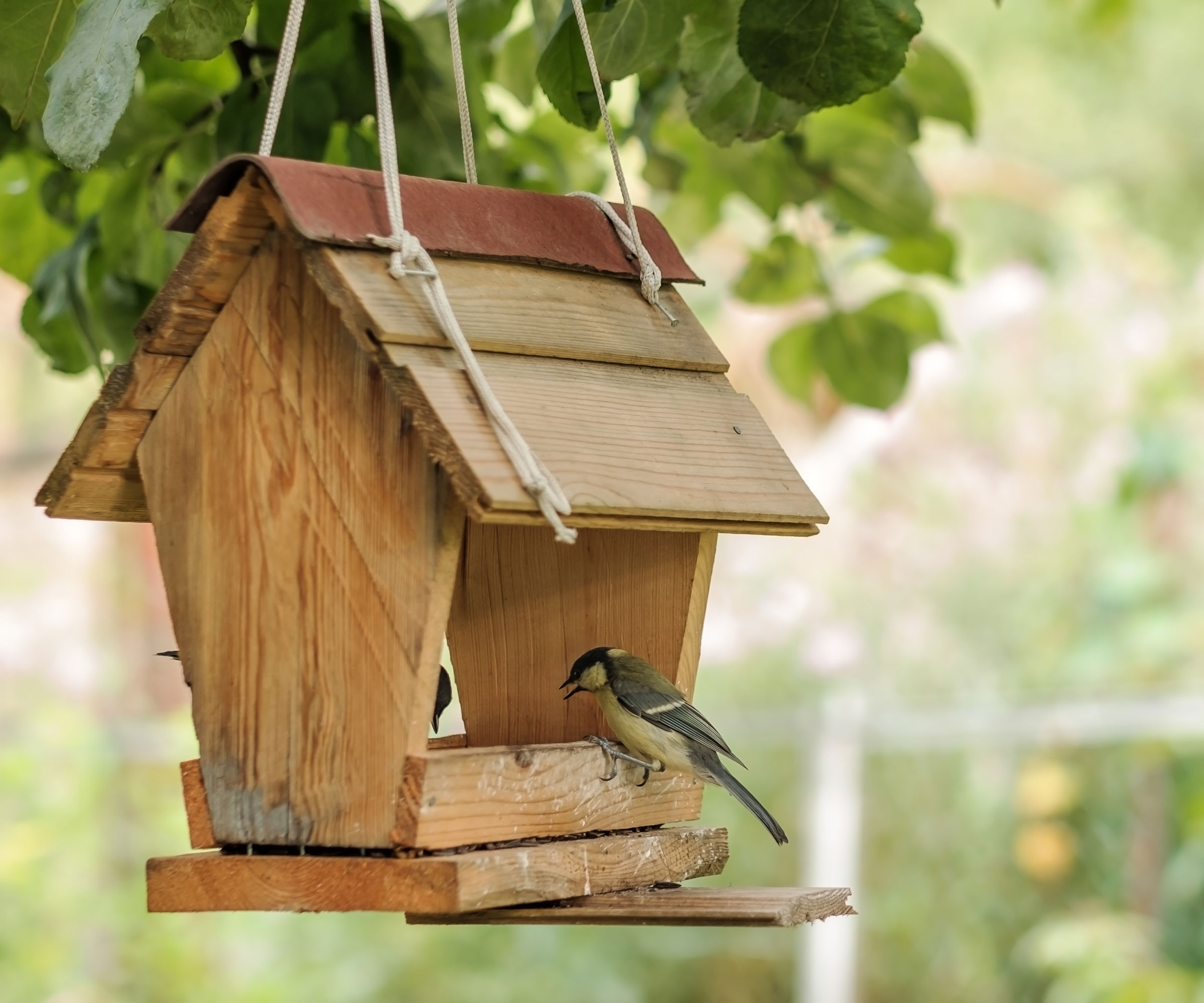
In winter, birds can struggle to survive. Food and water is scarce, yet they need more energy and nutrients than ever in the cold weather. Keep feeders topped up with seeds, nuts and fat balls, and bird baths filled with fresh water.
A useful garden pond idea is to float a ball in the pond to prevent the surface freezing over completely. If it’s too late and your pond has already frozen over make an air hole. Don’t crack the ice as this may harm fish and wildlife. Instead sit a saucepan filled with boiling water on the frozen surface of the pond until the ice melts.
6. Care for your lawn
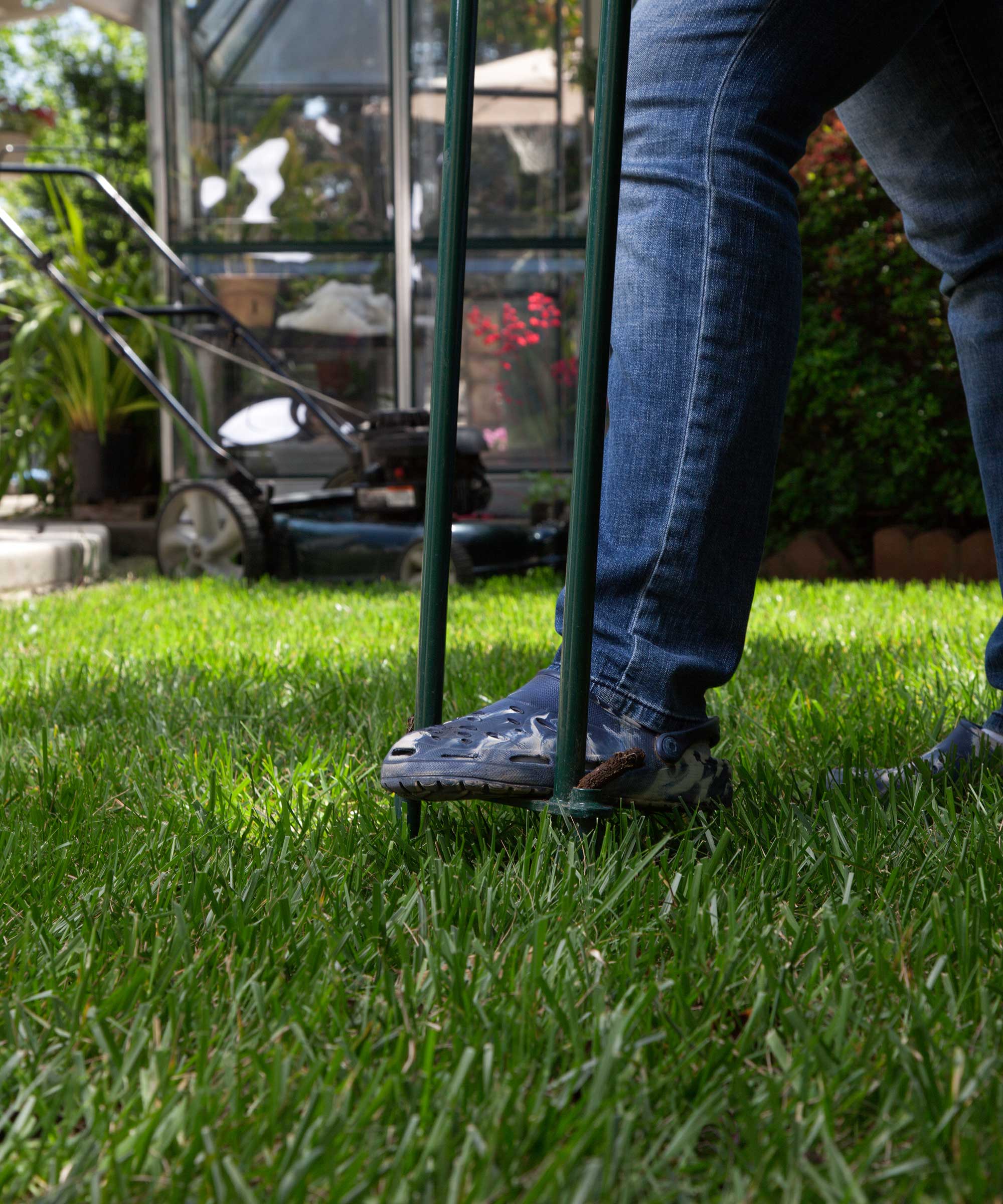
“Grass can become weak and brittle during cold weather due to the formation of ice crystals inside its cells,” says Peter Chaloner, MD of Cobra Garden Machinery. “This crystallisation makes the blades rigid and more prone to breaking. Frost, snow and ice add more stress, while walking on a frosted lawn can compact the soil, limiting air flow and water absorption, both of which essential for healthy growth. The combination of freezing temperatures and mechanical stress can leave grass looking dry, fragile and patchy.”
Follow good lawn care advice. Avoid walking on frosted grass, as this can break fragile blades and compact the soil. While it may be tempting to remove snow, it’s best to let it melt naturally, as it acts as insulation and provides moisture. Finally, aerate the lawn in compacted areas and ensure proper drainage to prevent waterlogging, which can suffocate roots during winter rains.
“With these steps,” says Peter, “even a winter-weary lawn will soon bounce back and be ready for spring.”

Peter Chaloner is the managing director of Cobra, one of the UK’s leading brands of garden machinery. With over 30 years’ experience in the industry, Peter has played a vital role in the success of Cobra Garden Machinery, which was launched in 2013. Under Peter’s guidance, Cobra has become a trusted name in the UK’s garden machinery and horticultural industry.
7. Protect plants from harsh weather

If wind, frost and snow are forecast make sure you have protection in place to insulate plants that aren’t hardy against extreme weather. This means they will thrive in the new growing season. Take particular care with any seedlings and young plants you have outside.
“For tender plants like ferns or palms consider using horticultural fleece to keep them snug outdoors,” says Rob Grayson, head of plant distribution at Hillier Garden Centres. “Alternatively move sensitive plants into a greenhouse or conservatory for added warmth. Border plants can benefit from cloches or cold frames for additional insulation.”

Vegamall Horticultural Fleece
This sturdy horticultural fleece can be used throughout the colder months to protect plants from frost and snow. It’s 10m in length and can easily be cut to size.
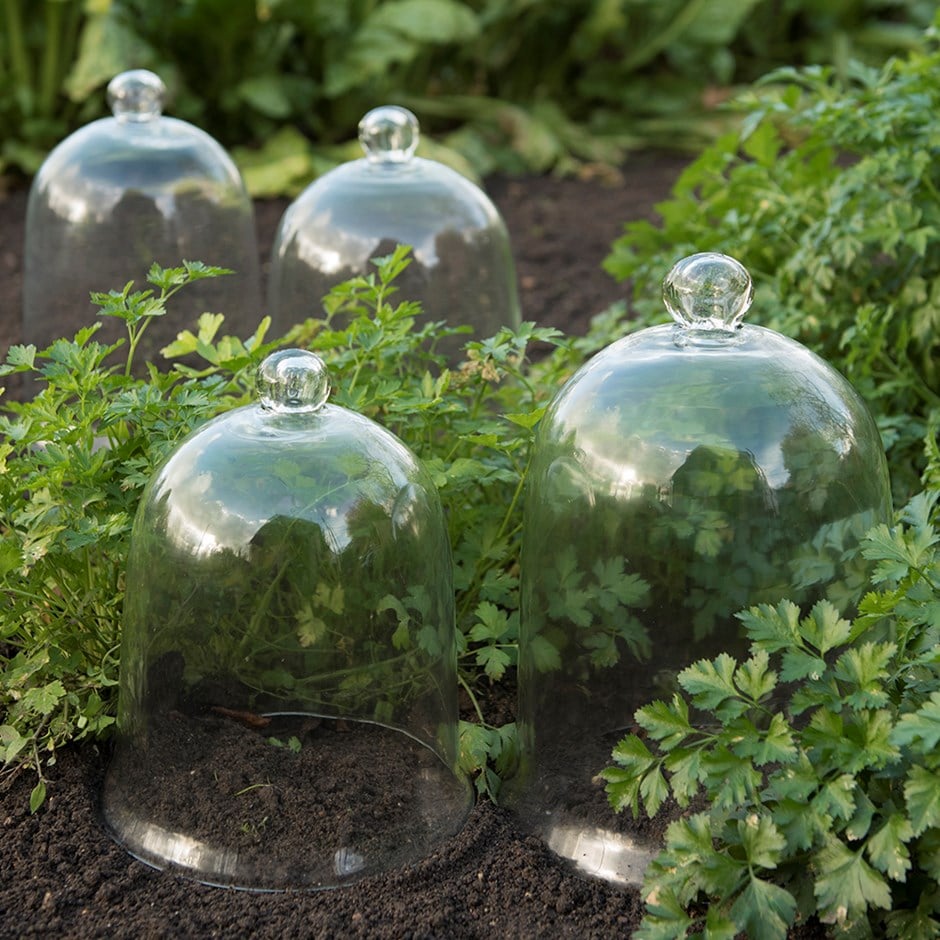
These Victorian-inspired glass cloches will help to keep small and vulnerable plants protected from bad weather. Each one is individually hand blown.
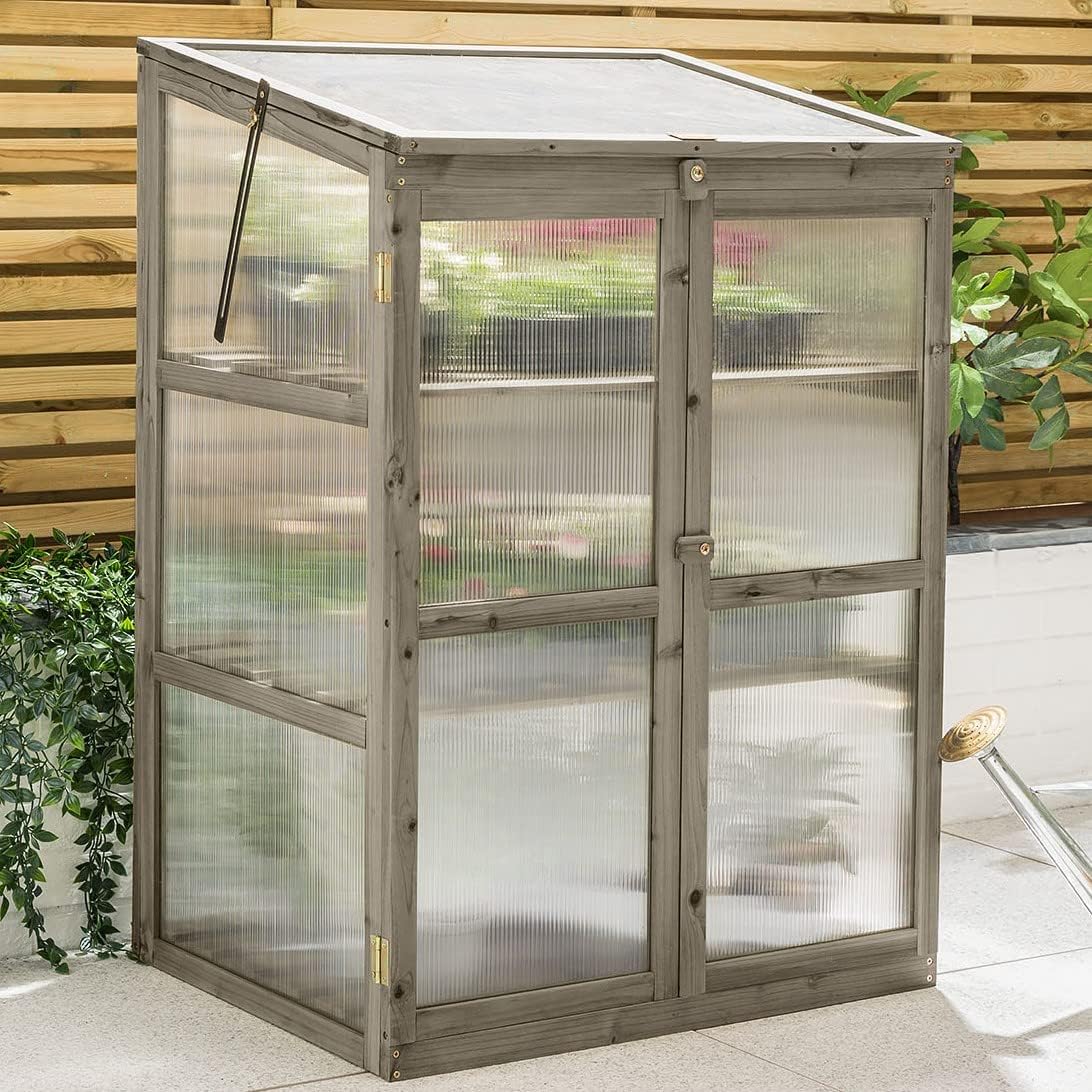
Christow Wooden Cold Frame
Measuring H110xW76xD59cm, this mini greenhouse is a great way to protect tender plants. Easy to assemble, it has a double-hinged lid and sturdy polycarbonate windows.

Rob Grayson has been with Hillier for over 20 years. Buying and trading young plants and fully grown stock for garden centre sales has given Rob a wide-ranging plant knowledge. He now oversees distribution of Hillier plants as well as logistics and warehousing.
8. Start sowing seeds for the veg patch
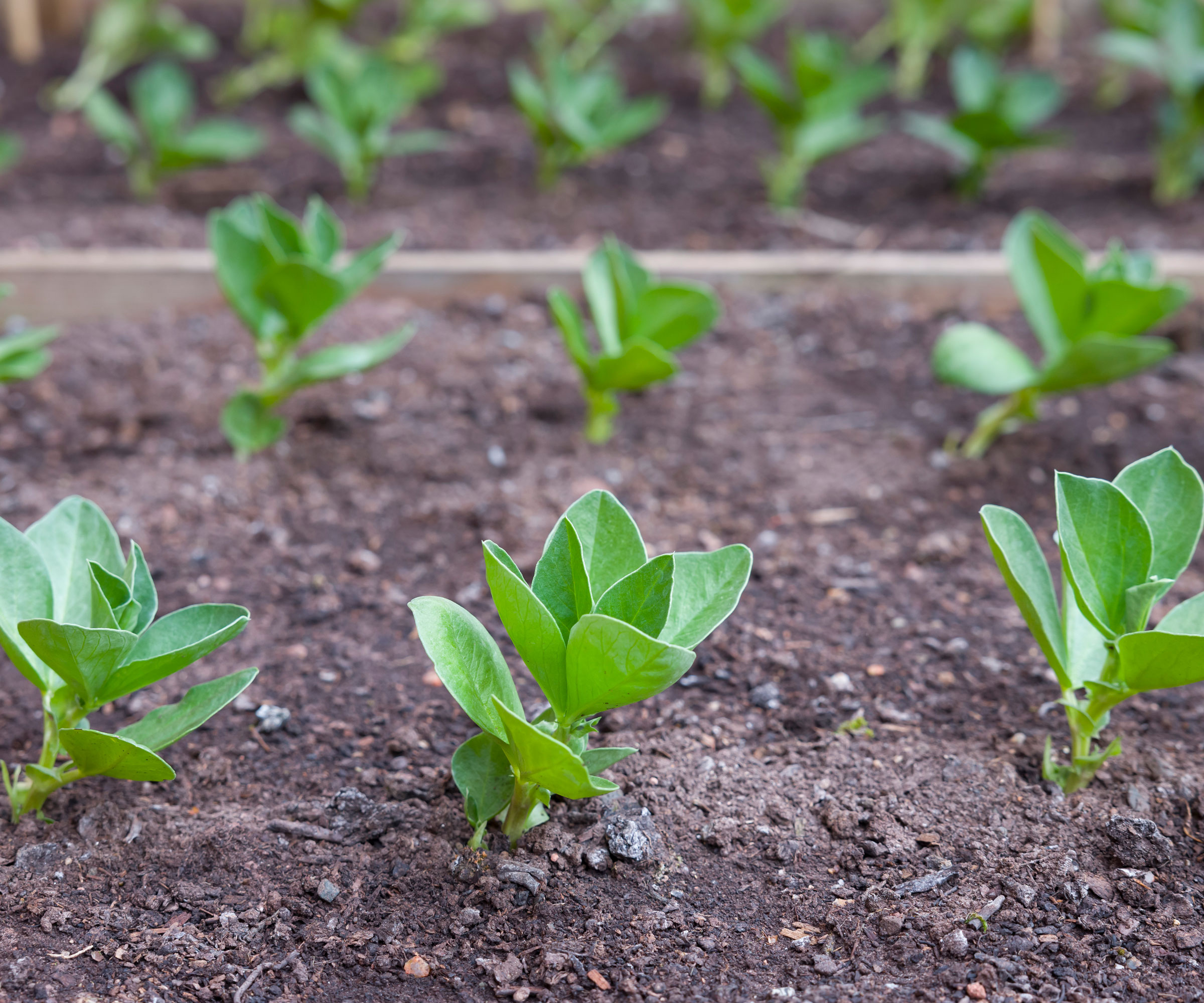
January gardening jobs include making a start on sowing seeds for the vegetable patch. Chillies, aubergines and broad beans are all good choices to get the growing season off to a flying start. Use a good quality seed compost and a heated propagator or grow light if you’re sowing seeds indoors. This EarlyGrow propagator from Amazon has adjustable ventilation control for airflow and humidity so you can set the best conditions for your seedlings.
You can also start more hardy vegetable seeds outside in a cold frame (with some extra insulation, weather depending) or heated greenhouse. Make this the year you sow successionally to ensure a longer, more staggered, harvest instead of ending up with vegetable gluts. Our guide on where to buy a greenhouse has plenty of suggestions if you want to add one to your space this year.
Make a vegetable garden plan showing where everything was planted last year to ensure good crop rotation going forward. This is essential to improve soil health, get bigger harvests, and prevent the spread of pests and disease.
9. Cut back ornamental grasses

Ornamental grasses are one of the most useful plants you can include in your garden and need very little maintenance to continue looking good. But one of the key January gardening jobs is to give them a good trim around now.
These grasses look stunning in autumn and winter with their striking seedheads but start to look a little frayed and ragged as the season progresses. The dead foliage will need to be cut back as the new growth starts to show.
Some cordless electric pruning shears like these ones by VonHaus from Amazon will make quick work of trimming bigger clumps of thick ornamental grass, while your usual secateurs will be fine for more delicate varieties. All the trimmings can be cut up and added to the compost heap.
10. Spend time planning when it’s too cold to go out

On cold days you might prefer to stay indoors and get to work on planning rather than focusing on January gardening jobs outside. This is just as important. At this time of year when the garden is dormant it’s easy to see planting gaps in borders and beds, as well as researching new plants you want to grow.
Whether you’re in need of plants for full sun or plants that will grow in shade, browse seed and plant catalogues to get a head start for a succession of flowering plants and fresh produce to see you right through spring and summer.
By spending time outdoors tackling some of these key January gardening jobs, you’ll be rewarded with a garden that comes to life once winter is over and is even better than the previous year.
In need of more ideas? Our round-up of the latest garden trends will get you inspired to transform your space for the year ahead.
View the original article and our Inspiration here
Leave a Reply