

Choosing the right renovation team sets the tone for cost, timing, and quality. A tight screening step early cuts risk and keeps accountability clear. This guide lists the top 10 questions to ask a contractor before you book, so you can hire with confidence and avoid costly surprises.
1. Are you licensed, insured, and bonded?
A valid license shows the contractor meets local requirements for the work. Insurance can cover damage to your home and injuries on the job, while a bond may repay losses if the firm does not complete the project. Keep questions to ask a general contractor centered on proof, coverage limits, and who pays when something goes wrong.
How to verify
Look up the license number in your state or city database and check that the business name matches the contract. Ask the insurer to send the certificate to you directly, then call the surety to confirm the bond is current.
Why it’s important
A coverage gap can turn a routine mishap into a major bill. Clear documentation reduces delays, supports permitting, and signals accountability from day one.
2. Who pulls permits and schedules inspections?

Permits keep the job legal and tie the work to an approved scope. Some cities require the contractor to file under their license, yet other jurisdictions push that duty to the owner or design team. Inspection timing drives key milestones like rough-in close, wall closure, and final sign-off, so one person must own the schedule and updates.
How to verify
Ask for the permit applicant’s name, application number, and the online record from the local building office. Get a shared inspection log with target dates, results, and copies of any correction notices.
Why it’s important
Unpermitted work can trigger stop-work orders, penalties, and costly tear-outs. A clean inspection trail protects resale value and supports warranty or insurance claims.
3. Can you share recent references and similar projects?

(Above) Jerry and Janet’s renovated kitchen with a cube-pattern backsplash and gray cabinetry
References help you see how the contractor performs after the dust settles, not just during a sales pitch. Similar projects matter more than glossy photos since a gut renovation, a bathroom refresh, and a co-op remodel each come with different constraints. Recent examples give a clearer read on current crew quality, supplier relationships, and how the firm handles changes under real pressure.
How to verify
Request for three clients from the past year with jobs close to your scope, then call and request details on schedule, communication, and final costs. When you review photos, look for permit sign-off documents, clear before-and-after shots, and notes on the exact work completed.
Why it’s important
A contractor can seem solid on paper yet struggle with your building type or level of complexity. Real client feedback flags patterns like unfinished punch lists, sloppy site habits, or surprise add-ons before you commit.
4. How many similar jobs did you finish this year?

(Above) Kirsty and David’s remodeled living room featuring natural lighting and a built-in fireplace
Volume tells you whether the contractor has current, hands-on reps in the kind of work you want done. A team that finishes similar projects regularly tends to price faster, spot pitfalls earlier, and keep the sequence moving. Use questions to ask a home contractor to learn what “similar” means to them, and what lessons from recent jobs they will apply to yours.
How to verify
Ask for a short list of completed projects from the past 12 months with addresses, scope notes, and approximate timelines. Cross-check those claims with permits, completion photos, and at least two reference calls tied to that list.
Why it’s important
A firm that rarely does your project type can miss building constraints, trade coordination needs, or finish details that drive rework. Recent experience reduces surprises, supports steadier scheduling, and improves cost control.
5. Who runs the site daily, and who are the subs?

Day-to-day leadership shapes how clean the site stays, how fast issues get resolved, and how well trades stay coordinated. Some firms sell the job through an owner, then hand it off to a superintendent or lead carpenter who becomes your main point of contact. Subcontractors handle specialized work like plumbing, electrical, tile, and millwork, so you want clarity on who shows up, who they report to, and how quality gets checked.
How to verify
Let them know that you want to meet the site lead before you sign, and request a list of subs with license numbers where required. Look for consistency by asking how long those crews have worked with the contractor and confirming trade credentials through public databases.
Why it’s important
Weak site oversight can turn a good plan into missed details, rework, and strained relationships. A stable roster of subs usually signals predictable workmanship, cleaner scheduling, and fewer last-minute swaps.
6. What does the written estimate cover and exclude?
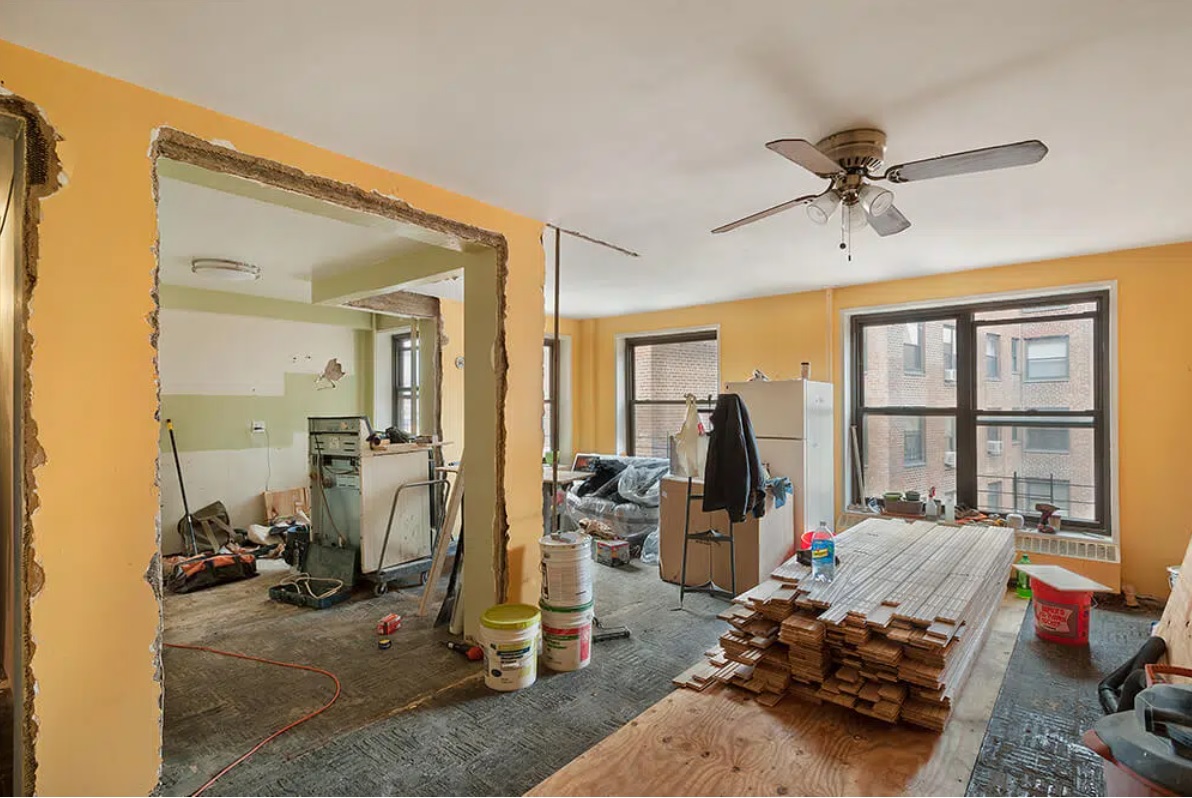
An estimate should read like a map, not a rough guess. It needs clear line items for labor, materials, allowances, and fees, plus a plain list of what the price leaves out. Exclusions often hide in finish choices, delivery fees, dumpster time, protection for common areas, or who pays for design revisions.
How to verify
Request a scope sheet that matches the drawings and calls out brands, quantities, and allowance amounts. Compare it to your plans room by room, and flag every “TBD” item until it has a number or a written assumption.
Why it’s important
Gaps in scope drive change orders, budget creep, and tension once work starts. A tight estimate protects both sides since it sets expectations and gives you a fair basis for comparing bids.
7. How will you price and approve change orders?

Change orders decide whether a remodel stays on budget or drifts. Pricing should follow one method in the contract, such as fixed unit rates or time-and-materials with markups spelled out. Approval needs a written scope, cost, and schedule impact signed before the crew proceeds.
How to verify
Request a sample change-order form and review how it records labor hours, material receipts, and added days. Confirm who can authorize revisions on your side and which record counts as approval, such as a signed PDF or portal entry.
Why it’s important
Tight change control limits scope creep and keeps the draw schedule predictable. Clear documentation reduces disputes when a final invoice lands, especially around extras that felt like part of the original bid.
8. What deposit and payment schedule do you require?

Deposits and progress payments shape cash flow for both sides. Milestone-based billing ties each draw to demolition completion, rough-in sign-off, and completion of the punch list. Details on retainage, invoice timing, and holdbacks should sit in the contract.
How to verify
Compare the proposed deposit to local limits and any lender rules tied to your loan. Review the pay application process and ask for receipts tied to major purchases.
Why it’s important
Balanced terms lower the risk of overpaying early, when a job still carries unknowns. Predictable billing reduces stress and keeps trades scheduled, since subcontractors count on timely payment.
9. What warranty covers labor and installed materials?
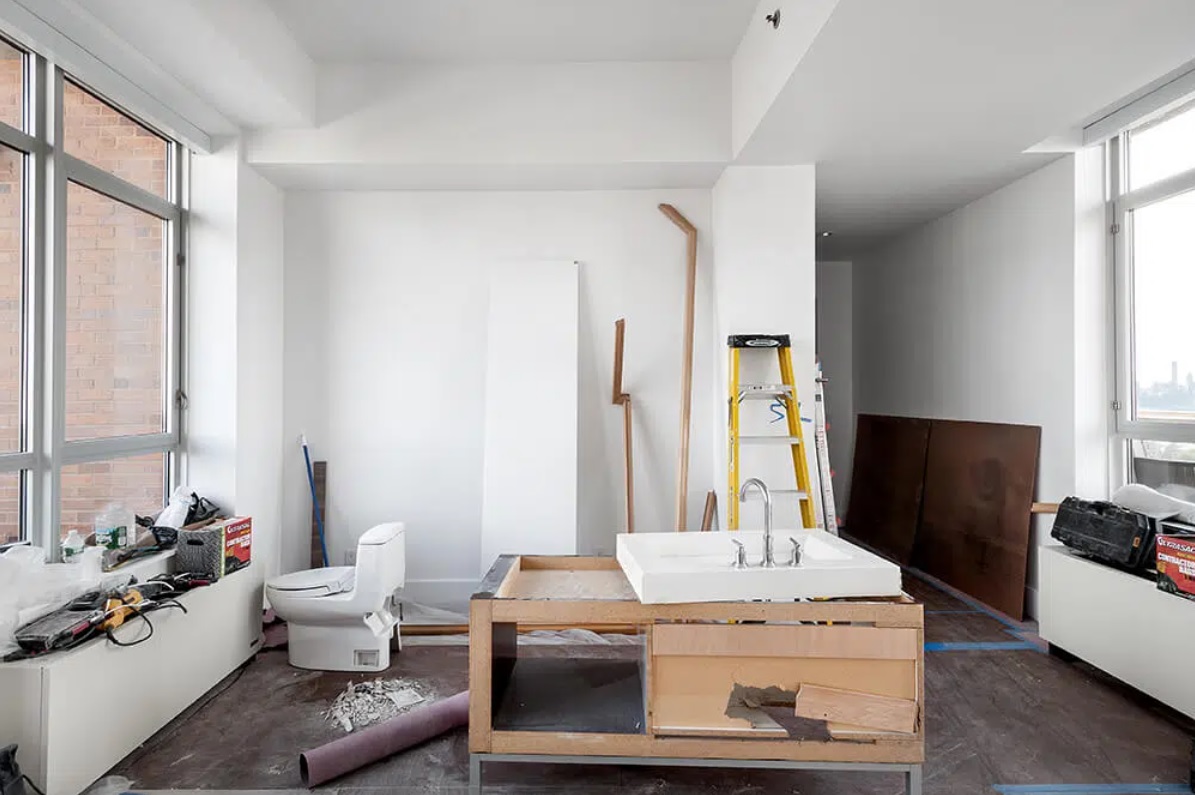
Warranties cover workmanship issues that appear after move-in, including loose tile and cabinet alignment problems. Labor coverage differs from product guarantees, so you need both spelled out with start dates. Your agreement should state how claims get filed, response times, and who coordinates with manufacturers.
How to verify
Request the warranty clause and manufacturer documentation for fixtures, appliances, and waterproofing. Verify whether the required registrations exist and whether the exclusions cover misuse, maintenance gaps, or owner-supplied items.
Why it’s important
Strong terms protect your investment and push quality control during the build. Fast service on defects keeps small issues from turning into major repairs.
10. Will you provide lien waivers before final payment?

(Above) Jan Eliasberg’s renovated living room with a cream-colored couch, wooden flooring, and built-in fireplace
Lien waivers confirm that subs and suppliers got paid for work on your property. Conditional forms release rights after funds clear, and unconditional versions close the loop once payment posts. Final paperwork should cover every trade and material vendor tied to the job, not just the prime contractor.
How to verify
Collect waiver forms with each progress payment, then match names to invoices and your sub list. Verify the correct state form and signing authority, then store copies in your closeout file.
Why it’s important
Unpaid bills can become a mechanic’s lien against your home, even when you paid the contractor in full. Complete releases protect refinance, resale, and final sign-off with a building or lender.
Frequently asked questions
Yes, bring a designer in early if your project needs layout changes or board-ready drawings. Their plans can tighten bids and cut costly last-minute decisions.
Yes, a general contractor can remodel a co-op or condo. Board rules, insurance requirements, and work-hour limits can shape the plan, so choose someone familiar with approvals.
Yes, you can buy fixtures and finishes by yourself instead of your contractor. Confirm lead times, specs, and return terms, then share cut sheets early so installs stay on track.
A refusal to provide a written contract signals that a contractor may not be a good fit. That gap leaves scope, timing, and payment terms open to dispute once work starts.
The post Top Questions to Ask a Contractor Before You Book appeared first on Sweeten.
View the original article and our Inspiration here
Leave a Reply