
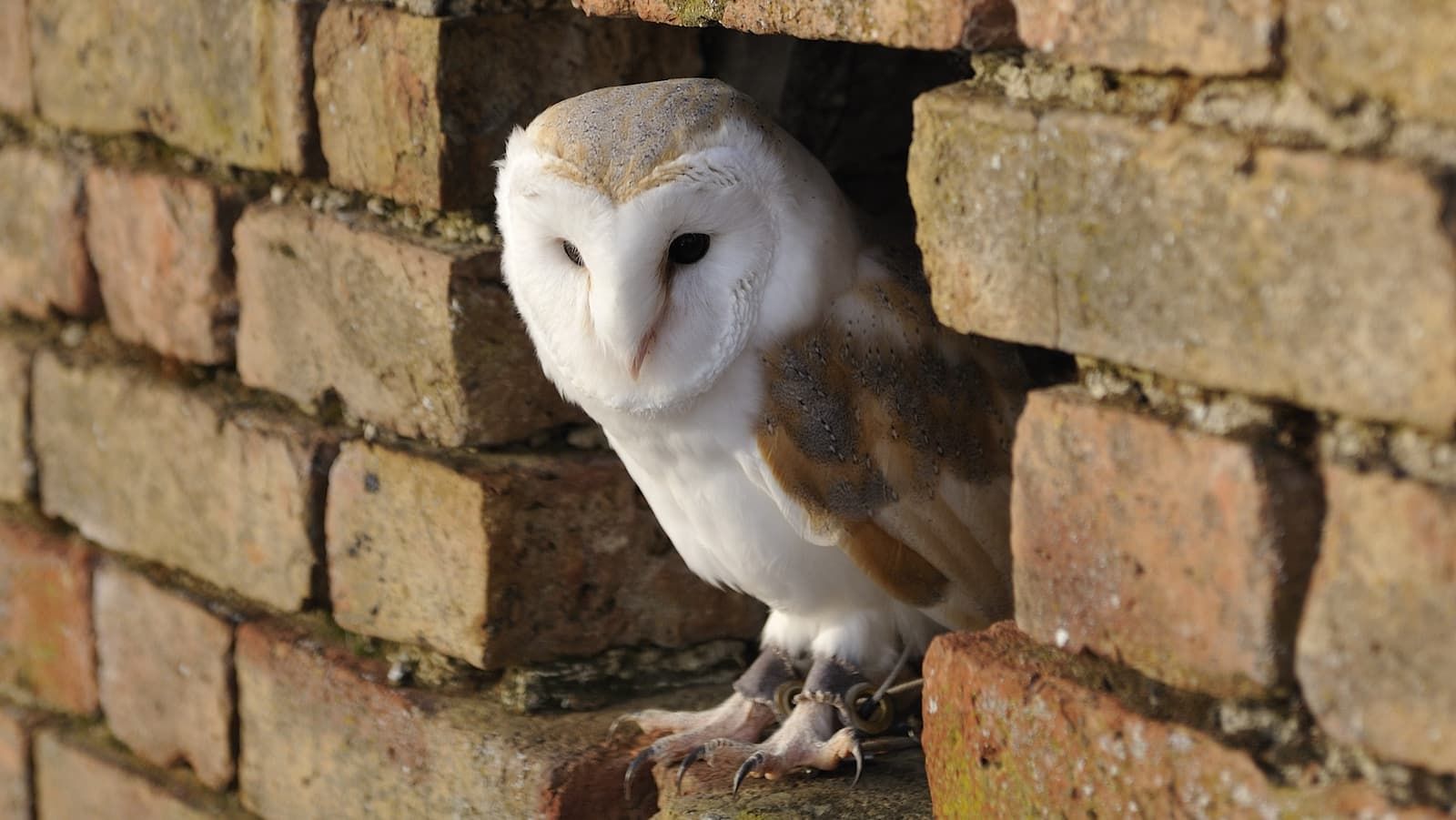
If you’re planning to build a new home, there’s a small but important feature you need to know about: swift bricks.
These specially designed bricks provide nesting space for declining bird species like swifts, and new government guidance now expects them in all new homes.
Understanding how this policy works, how it could affect your planning application, and what it actually means in practice could save you headaches – and ensure your build ticks the ecological boxes planners are increasingly looking for.
What the new swift brick policy actually is
Under the government’s latest planning policy updates, new homes are expected to include nature‑friendly features such as swift bricks – specially designed hollow bricks or integrated cavities that provide nesting space for swifts and similar bird species.
These expectations are part of revisions and consultation material around the National Planning Policy Framework (NPPF), which sets out national priorities and guidance for planning decisions but does not itself create a statutory legal requirement for builders.
Swift bricks are unique brick types intended to provide nesting habitat for declining bird species that have lost traditional nesting sites in modern buildings. The government guidance suggests that, where appropriate, new developments should incorporate such features as part of their design – typically by including at least one swift brick or equivalent per dwelling.
It’s important to note that this guidance does not yet appear in Building Regulations – the statutory technical standards that all new buildings must meet – and therefore cannot be enforced through building control. Instead, it influences planning decisions and the conditions that local authorities may attach to planning permissions.
How these policy expectations will be introduced and applied
The government has published materials alongside its housing and planning reforms showing that biodiversity features like swift bricks are part of wider updates to national planning policy.
This includes consultations and draft revisions to the NPPF, which councils and planners use to determine whether to grant planning permission and what conditions to set.
Efforts to legislate swift bricks into law through Parliament – either as a planning law condition or as a requirement within Building Regulations – have occurred in parallel. For example:
- Parliamentary amendments to make swift bricks a mandatory condition for planning permission have been debated but rejected in several stages of the Planning and Infrastructure Bill.
- Proposed amendments to require the Secretary of State to introduce building regulations mandating swift bricks have also been tabled in Parliament but were disagreed.
Instead of statutory law, the government has sought to embed the expectation of swift bricks through national planning practice guidance and draft policy wording in the revised NPPF. This means that local planning authorities will be encouraged to apply these expectations when assessing planning applications.
For self builders, this means that the planning process – not building regulations – is where swift brick requirements are most likely to be considered. Local planning officers may expect or recommend inclusion of swift bricks in design and planning submissions, especially where ecology and biodiversity considerations are assessed.
When will this take effect and what it means in practice
The planning reforms and updated NPPF that reference swift bricks have only recently been published or consulted on. Over the coming months, councils will begin to interpret and apply this new guidance in planning decisions.
Because the updated NPPF is itself subject to consultation and is not yet fully enacted as final policy, there is no single legal commencement date for swift brick requirements that applies to all new homes. Instead, the expectation will gradually appear in planning decisions as authorities adopt and apply the revised NPPF.
For self builders, the practical effect is that:
- planners may attach conditions relating to swift bricks or equivalent bird‑friendly features to a planning permission, especially if ecological impact is being considered;
- some local authorities already have or are developing their own policies referring to swift bricks in local plans or guidance; and
- the exact expectations can vary between councils, so early engagement with the local planning authority is crucial.
This approach reflects the government’s current preference to influence housing design through planning policy expectations rather than through mandatory building regulations – meaning compliance depends on planning outcomes rather than technical building compliance checks.
View the original article and our Inspiration here
Leave a Reply