
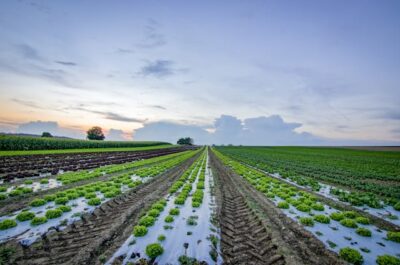
Looking to produce more crops while using less water?
Modern irrigation is a game-changer for growers and famers. The days of flood and pray irrigation are long past. Smart watering systems are helping agricultural producers reach record yields while preserving our water supplies.
Here’s the deal…
Irrigation equipment has become one of the most impactful purchases that a farm or ranch can make. Between drought, water rationing and escalating water rates the right irrigation equipment is crucial.
In this guide you’ll learn:
- Why modern irrigation is crucial to producing higher yields
- Types of modern irrigation systems
- Smart irrigation technology and precision watering
- Factors to consider when selecting irrigation equipment for your farm or ranch
Why modern irrigation is crucial to producing higher yields
Numbers don’t lie.
Per the USDA, irrigated agriculture comprises less than 17% of the total harvested cropland in the U.S., but produces over 50% of the sales. Irrigated land is by far more productive, per acre, than non-irrigated land.
Pause for a minute and think about that for a second…
The same amount of land, but dramatically different results based solely on irrigation. Selecting the right agricultural equipment dealership to supply your irrigation equipment needs is key to your operation’s success. Whether you go with a trusted provider who supplies Bloomington Indiana machinery for contractors or another agricultural equipment dealership, quality equipment matters.
It’s also worth noting that irrigation impacts far more than just yield. Proper irrigation builds better, healthier soil. Water stress is reduced for your crops. This leads to more predictable yields year over year.
Types of modern irrigation systems
Not all irrigation methods are equal, far from it. The technology that is available to producers today would have been thought of as science fiction by a farmer just a few decades ago. Let’s dive into some of the most effective methods.
Drip irrigation
Drip irrigation is the standard for water conservation.
Water is delivered right to plant roots in a network of tubes with emitters that release the water. There’s no waste with drip irrigation. No evaporation or runoff.
Research shows just how effective this method can be. According to MIT, drip irrigation can lower water usage by 60% and increase yields by 90% when compared to traditional irrigation methods.
Drip irrigation is particularly well suited to:
- Row crops like vegetables and berries
- Orchard and vineyard applications
- Greenhouses and high tunnels
- Areas with limited water supplies
The upfront investment in drip irrigation equipment is higher than traditional sprinklers. But the savings on water and increased yields are well worth it.
Center Pivot Systems
Center pivot irrigation can cover large areas with ease. These systems rotate around a pivot point in the field, spraying water in a circular pattern.
Variable rate technology is a big plus with the latest center pivots. This allows individual zones of the system to get more or less water, depending on soil and crop type. This prevents overwatering areas like sandy soil, while at the same time not underwatering dense clay areas.
The latest center pivot models come with GPS guidance systems and can be remotely monitored by the farmer. System settings and status can be checked and adjusted from the comfort of your smartphone.
Subsurface drip irrigation
Ever wanted to take drip irrigation one step further?
Subsurface drip irrigation systems place the drip lines below the soil surface.
Why is this a good idea?
- Even less evaporation loss
- Reduction of weed growth between crop rows
- Less damage to drip lines from equipment
- Extended system lifespan
Subsurface drip irrigation is especially well suited to permanent crops and high value vegetables. Burying the drip lines keeps them out of the way during cultivation and harvest.
Smart technology and precision watering
Now we’re getting into the really cool stuff…
Smart irrigation uses sensors, weather data, and automation to make sure your crops and pastures get exactly the right amount of water, exactly when they need it. No more guesswork.
Soil moisture sensors
These nifty little gizmos measure soil water content at various depths in the soil. When moisture levels dip below the ideal threshold, the system is triggered automatically.
Crop water needs change through the growing season. Soil moisture sensors help to match irrigation with those changing needs.
Weather based controllers
Why water your crops if rain is due tomorrow?
Weather-based controllers take local weather forecast data, and adjust irrigation accordingly. Temperature, humidity, wind, and rain forecasts are all calculated to determine how much supplemental water the crops really need.
This system can prevent overwatering after rainfall events and make sure that adequate irrigation is applied during hot and dry periods.
Remote monitoring systems
Connectivity is another key benefit of modern irrigation systems. They connect to the internet allowing farmers to:
- Track water use in real time
- Get notified if there are any leaks or equipment failures
- Adjust irrigation schedules remotely
- Access historical data and trends
Remote monitoring also helps to spot problems early. A sudden spike in water use could indicate a broken line, or a pressure drop may mean a filter is clogged. Finding issues early can save money.
Choosing the right equipment for your farm or ranch
Selecting irrigation equipment is no small task. The “best” system will vary from operation to operation.
Consider your water source
Water can come from wells, ponds, rivers, or municipal supplies. Each of these sources have different pressures, and flow rates.
The irrigation system must be a match to the water source.
Consider your crop needs
Different crops have different watering needs at different growth stages. Some crops respond better to frequent light watering, while others do better with deep infrequent irrigation.
Work with a reputable agricultural equipment dealership
Quality agricultural equipment from a trusted agricultural equipment dealership is key. Look for dealers that offer installation support, training, and service after the sale.
Don’t automatically default to the lowest bid either. Quality and reliability, even with an initial higher cost, almost always beat out inexpensive, bargain-bin equipment that breaks when your crops need it most.
Plan for the future
Irrigation systems are a long term investment. Consider how your operation may change or expand over the next 5 – 10 years.
If there’s any chance you will need more capacity, build it in now. It’s far cheaper than trying to retrofit later. Also consider whether you may want to upgrade your tech down the road, and plan for that extra space.
Wrapping things up
Modern irrigation technology provides a tremendous opportunity for agricultural producers to increase crop yields, and use water more efficiently. From drip systems that deliver the water directly to the roots of plants, to smart controllers that respond to actual field conditions…
The options today are simply amazing.
The main takeaways from this discussion are:
- Modern irrigation can increase yield per acre dramatically
- Drip irrigation is the most water efficient method
- Smart technology automates and optimizes watering
- Quality equipment, from reputable dealers, really matters
Farmers and producers that are willing to make the investments in proper irrigation equipment, put themselves in the best position to succeed, regardless of weather conditions. The technology pays for itself through higher yields, lower water bills, and less crop losses.
Get started by assessing current irrigation methods on your farm and looking for opportunities for improvements. Sometimes small changes, and upgrades can lead to big production and profit differences.
View the original article and our Inspiration here
Leave a Reply