
Buildings are expensive. While developers focus on upfront construction costs, the long-term expenses of a building can swell to 1.5 to 2 times the initial price tag over its lifespan. This means that developers and asset managers are incentivized to prioritize upfront investments in energy-efficient systems and lifecycle budgeting to maintain building maintenance, sustainability and tenant satisfaction.
Despite this, many projects are driven by short-term thinking that prioritizes initial cost savings over long-term performance. This approach often leads to significant hidden expenses in future maintenance, energy loss, and premature replacements.
In other words, they trade short-term gain for long-term pain.
The solution is, in part, resilient design.
This design philosophy selects materials for their ability to withstand environmental factors and the passage of time, initiating a virtuous cycle of sustainability that also delivers financial value.
Durability Creates Sustainability
Sustainable buildings that deliver long-term value and return on investment (ROI) require looking beyond what’s green today and looking to what lasts for decades to come.
Put differently, the most sustainable building is the one that doesn’t need to be replaced or significantly remodeled in the future.
To achieve this, select durable materials that last, including highly durable coatings, insulation, building envelope, and moisture barriers and HVAC systems.
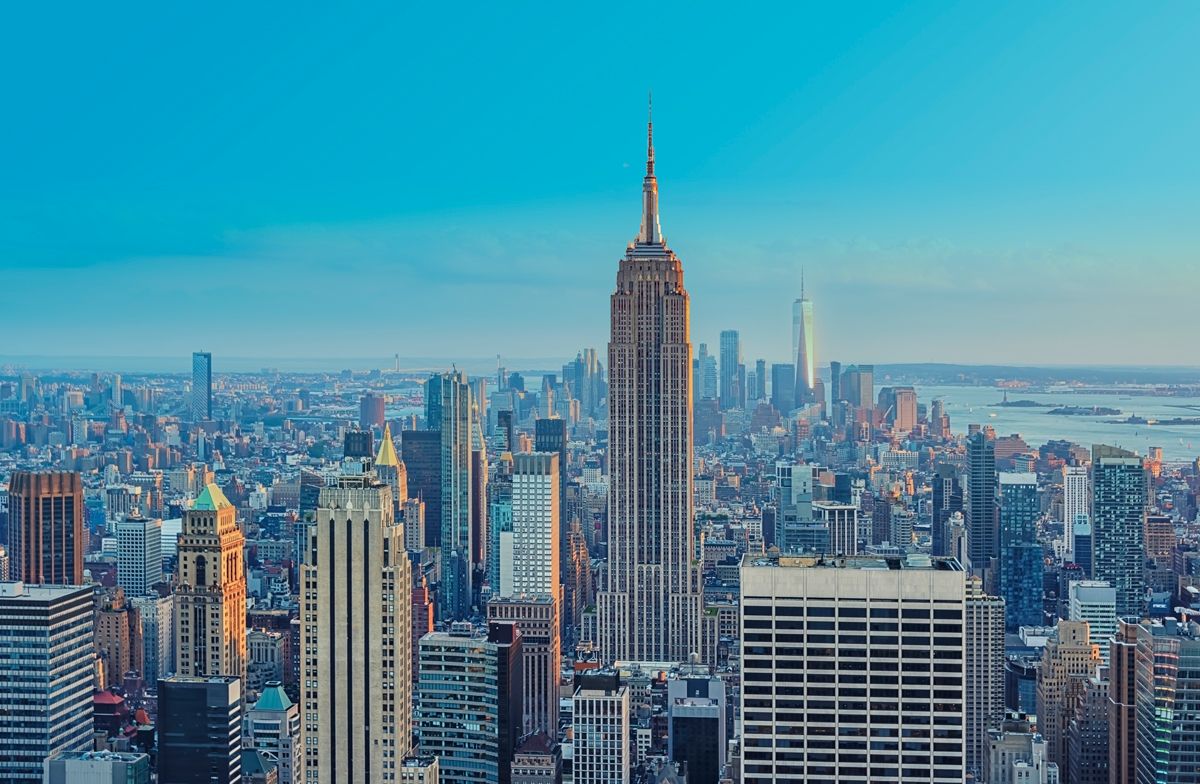
For example, the Empire State Building, a structure that has defined New York City’s skyline for nearly a century, underwent a significant renovation in the 1990s to replace its more than 6,400 windows.
The success of the project depended on the performance of the new window frame coatings. Instead of selecting the cheapest option, the project team chose a product with proven durability and resistance to UV damage, acid rain, and salt.
Years later, when additional windows were replaced, the new frames were a seamless color match to the old ones, showing no noticeable fading.
Resilience = ROI
Building sustainability isn’t just an altruistic priority. There is a compelling financial case for durable design. Don’t just view the initial investment in high-performance materials as an expense. It’s a capital investment capable of generating significant returns over the life of the asset, through lower lifetime maintenance costs.
For example, resilient coatings and materials deliver a powerful return on investment by significantly reducing operational and maintenance costs, while maintaining their initial appearance.
The need for frequent repainting, resurfacing or repair is virtually eliminated, saving building owners millions over the building’s lifespan.
Additionally, investing in insulation, reflective coatings and moisture control solutions can pay enormous dividends.
Specifically, reflective coatings and advanced insulating materials significantly reduce energy consumption and improve indoor comfort, while moisture control systems help prevent degradation of building envelopes, reducing repair costs and extending lifespan.
Long-Term Value Creation
For modern developers, it’s time for a paradigm shift.
The question “How much does it cost?” cannot be the only consideration when planning a new building project or renovation. They must put that question alongside another consideration: “How long will it last?” or more importantly, “What is the Lifecycle Cost” of this project?
Instead of relying on the lowest bid, professionals should ask critical questions:
- How does this material perform in a real-world, long-term scenario?
- What are the documented environmental and performance credentials?
- How will this choice contribute to the building’s long-term efficiency and market value?
- What are the costs to replace this material if its service life is less than the building’s lifespan?
Resilient design looks at a project’s long-term legacy as it builds or renovates buildings that continue to perform, protect and provide long after the construction crews have left and the project is complete.
Paul Lavallee serves as the Global Market Manager of Kynar® Coatings, with responsibility for the Kynar 500® and Kynar Aquatec® PVDF product lines globally. He has worked for Arkema for 27 years in a variety of engineering, manufacturing, research, supply chain, and business roles. He holds a B.S. in Chemical Engineering from Rensselaer Polytechnic Institute and a Business Administration Executive Certificate from University of Notre Dame. He is based in Radnor, Pennsylvania.
View the original article and our Inspiration here
Leave a Reply