
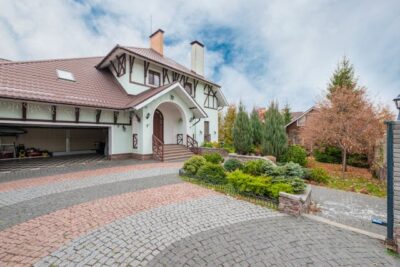
Building a home is a dream that many people hope to achieve at least once in their lives. It becomes even more meaningful when you get the chance to bring that dream to life in a beautiful area such as Oakmont, Idaho. The fresh air, peaceful surroundings, and natural scenery make Oakmont an ideal place to design a home that reflects your lifestyle. But to create a home that meets your needs and feels right for you, each decision matters. Every choice—from the layout to the materials—shapes how well your home supports your daily life.
To guide you through the process, this article outlines the key steps that can help you build a custom home with confidence and clarity.
Define Your Vision and Lifestyle Needs
Before anything begins, you need a clear idea of what you want from your home. Think about the way you live right now and how you hope to live in the future. Consider how many rooms you need, the level of privacy you want, and the type of atmosphere you hope to create. You may want large windows for natural light, extra storage for an active lifestyle, or flexible spaces that can change as your family grows. When you take the time to outline your priorities, you make it easier for the design and building teams to understand your goals.
Hire the Right Builders
The builders you choose play a major role in bringing your custom home to life. They also offer guidance, suggest improvements, and help you find solutions that match your goals. For instance, if you plan to enjoy the beautiful weather of Oakmont outdoors, skilled builders can design a patio, deck, or garden layout that fits your lifestyle. An experienced Oakmont custom home builder brings local knowledge that supports you through the process. They know how the climate affects materials, which layouts work best in the area, and what designs blend smoothly with the surroundings.
Establish a Realistic Budget
A custom home offers flexibility, but that flexibility brings financial responsibility. Setting a budget early helps you move forward with confidence. First, you need to understand the full scope of costs, including labor, materials, permits, and the land itself. Leave space for unexpected expenses so you do not feel pressured later. Review estimates with your builder and ask questions when numbers seem unclear. A realistic and organized budget makes it easier for everyone involved to make smart choices. It also ensures you invest in features that matter to you without risking delays or financial strain.
Plan a Functional Layout
The layout of your home shapes how you move through your day. A functional design provides convenience while still matching your personal style. Think about which rooms you use the most and how you want them arranged. Consider the flow between the kitchen, living room, and outdoor spaces. Plan for storage that helps keep your home organized and free of clutter. When your layout reflects your habits and goals, your home will feel more welcoming and easier to enjoy.
Choose Quality Materials
The materials you choose can shape the look, comfort, and long-term durability of your custom home. Each choice should support your lifestyle and match the conditions of your area’s climate. When you select flooring, siding, roofing, or window options, think beyond appearance. Look at how well the materials hold up over time and how much maintenance they need. Some materials may cost more at the start but last longer, which reduces the need for repairs. Your builder can guide you through options that work well for the area. For example, they may suggest roofing that handles temperature changes or siding that protects the home from wear. Quality materials help your home stay strong and comfortable for years.
Think About Energy Efficiency
Energy efficiency plays a key role in how comfortable your home feels and how much you spend on utilities. When you plan early, you can include features that make your home efficient without adding major costs later. Proper insulation, high-performance windows, and efficient heating and cooling systems create steady indoor comfort in every season. You may also want to explore solar options or smart-home systems if they match your goals. Even small decisions, like where to place windows or how to orient the home on the lot, can improve natural light and airflow. These choices help your home use less energy while staying enjoyable throughout the year.
Plan Your Outdoor Spaces
Your outdoor areas deserve as much attention as the inside of your home. You may want a patio for gatherings, a garden for quiet mornings, or a simple open area for outdoor activities. Planning ahead helps you blend these spaces with the design of the home. Your builder can help you create outdoor features that match the land and make the most of the local scenery. A thoughtful outdoor plan increases the value of your home and enhances your lifestyle.
Understand Local Building Regulations
Before construction begins, take time to understand the building regulations that apply to your project. These rules exist to protect safety, the environment, and the overall character of the area. Your builder will guide you through permits and inspections, but you should stay aware of what the process involves. When you understand the rules, you avoid delays and prevent unnecessary changes later. Clear communication with your builder ensures you stay on track and meet each requirement without stress.
Stay Involved During Construction
Once construction starts, your role does not end. Staying involved gives you the chance to watch your home take shape and make adjustments when needed. Visit the site when possible and talk with your builders about progress. If something does not match your expectations, early communication helps resolve issues before they grow. Make decisions on time so the project can continue without interruption. Your presence shows your team that you care about the project, and it helps build trust throughout the process. When you stay involved, you feel more connected to the home and more confident in the final result.
Each step of the building process gives you the chance to shape a home that reflects who you are. The choices you make today will influence how your home feels, how it works for your lifestyle, and how much comfort it brings into your daily routine. When you stay thoughtful, informed, and engaged, the experience becomes more than a building project. It becomes a personal investment in a space that will hold your routines, memories, and moments for years to come.
View the original article and our Inspiration here
Leave a Reply