
That brown stain spreading across your ceiling tells a story. Water found a way inside weeks ago. Maybe months. You just didn’t notice until now.
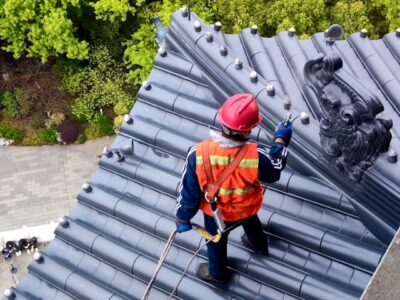
People forget about roofs. They’re up there doing their job quietly until something breaks. Then panic sets in. Regular inspections catch problems while fixes still run cheap. You avoid disasters. Property managers who inspect regularly save thousands. For folks dealing with California weather swings, roof repair in Sherman Oaks requires contractors who know their stuff. Local codes matter. Certifications matter.
When to Schedule Roofing Inspections
Twice yearly works for most properties. Spring reveals winter damage. Fall gets you ready for storms ahead. Simple timing that prevents headaches.
Some situations need immediate action. Storm just blew through? Don’t wait. Schedule within two weeks max. Hail punches holes you can’t see from the ground. Your insurance company has deadlines. Miss them and you’re paying everything yourself.
Older roofs need more attention. That’s just reality. Asphalt shingles give you 20 to 25 good years. Metal lasts 50 plus. Tile goes even longer if maintained right. Know your roof’s age. Planning beats emergency scrambling every time.
Components Inspectors Examine
Good inspections go deep. Way beyond checking shingles. Contractors look at everything from attic to peak.
The inspection covers these areas:
- Structure below: Decking, rafters, anything showing rot or sag
- Air circulation: Ventilation keeps moisture from destroying wood
- Metal barriers: Flashing seals every gap and penetration
- Water channels: Valleys handle the heaviest flow during rain
- Drainage: Gutters and downspouts direct water away safely
Flashing causes more problems than most realize. These metal strips wrap chimneys, vents, skylights. One loose piece lets water sneak behind everything. Next thing you know, mold’s growing in your walls. Ceiling’s sagging. Expensive mess.
Valleys take serious abuse. Two roof sections meet there. Rain hammers down. All that water needs somewhere to go. Worn valleys leak like sieves during storms. The National Roofing Contractors Association lists drainage problems as a top killer of roofs. Contractors clear junk out. They check flow patterns. Basic stuff that saves you big money later.
Most Common Repair Needs
Wind tears shingles loose. Happens all the time. Sun bakes them brittle over years. They crack. The beauty of shingle damage? You replace just the bad ones. No full roof redo needed. Catch it fast and you’re out a few hundred bucks instead of thousands.
Pipe boots fail constantly. Those rubber seals around plumbing vents? They last maybe ten years max. Often less. UV rays make them brittle. They crack. Water pours straight down into walls. Boot replacement costs roughly $150. Fixing interior water damage runs $3,000 and up. Do the math.
Metal parts rust. Flashing pulls away. Vent caps deteriorate. Small parts protecting big vulnerabilities. Skip maintenance and pay triple later.
Granule loss happens on shingle roofs. Normal aging. Check your gutters for piles of granules. Some loss is fine. Heavy loss signals trouble. Inspectors look at patterns. Even loss across everything means age. Spotty loss in patches might mean defects. Could get you warranty coverage for replacement.
Repair or Replacement Decision Factors
Age drives this choice more than anything. Use these guidelines:
- Under 15 years: Fix it unless damage is catastrophic
- 15 to 20 years: Crunch numbers on both scenarios
- Over 20 years: New roof usually makes better sense
- Damage covers less than 30%: Repairs work fine
- Damage hits 50% or more: Replace everything
Endless repairs on old roofs cost more than one replacement. Get quotes both ways. Look at five-year totals. Numbers don’t lie.
Your plans change things too. Selling next year? Patch and go. Keeping the property long term? New roof adds value. Protects everything underneath. Modern materials cut energy bills too. The Department of Energy says reflective materials slash cooling costs. Real savings every summer.
Working With Certified Roofing Contractors
Certifications separate pros from hacks. GAF, Owens Corning, CertainTeed train contractors right. Certified ones offer killer warranties. Materials and labor both covered. Regular contractors? Materials only.
Check licensing and insurance before signing anything. General liability is mandatory. Workers comp too. Most states require special roofing licenses. Call your licensing board. Verify everything they claim.
Written estimates need specifics. Every task listed out. Materials specified. Good contractors explain everything clearly. They show you problems. Walk through solutions. Cover warranties and maintenance needs upfront.
Get three estimates minimum. Compare approaches and quality, not just price tags. Cheapest bid usually means cheapest work.
Protecting Your Roof Investment
Roofs need care like cars need oil changes. Regular maintenance extends life. Prevents emergencies. Pretty simple concept that people ignore.
Save everything. Inspection reports, receipts, warranty papers. Future contractors need that history. Buyers want maintenance records. Keeps things organized and proves you maintained properly.
Proactive beats reactive every single time. Small leak fixed during inspection? Maybe $300. Same leak ignored until walls are damaged? Try $3,000 minimum. Regular inspections add years to roof life. They stop budget-killing surprises dead.
View the original article and our Inspiration here
Leave a Reply