
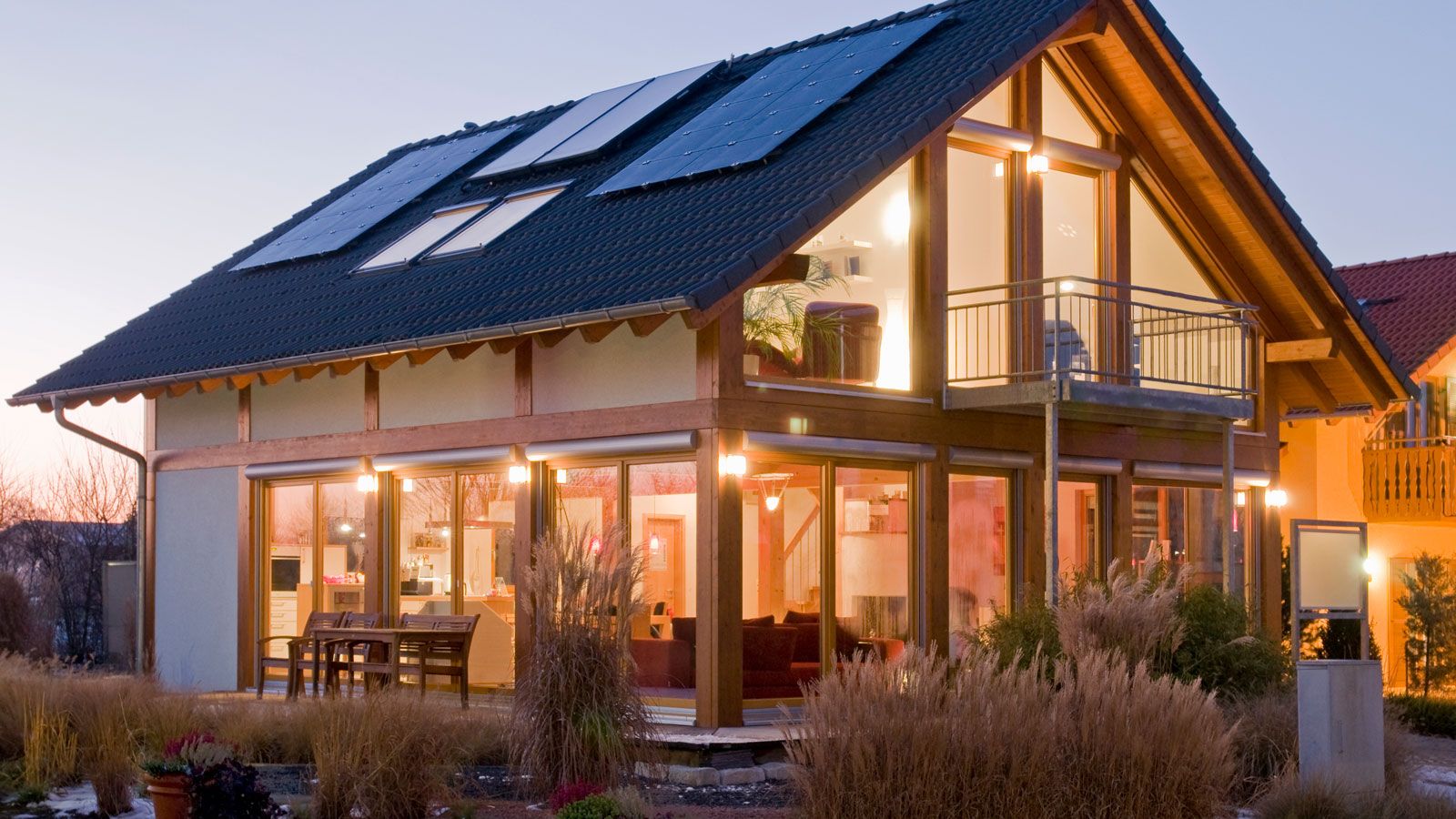
The government has scrapped the ECO4 scheme, which previously helped homeowners access thousands of pounds’ worth of energy-efficiency upgrades such as insulation, solar panels, and heat pumps.
Homeowners can no longer claim any of this support, meaning those who had hoped to cut energy bills or make their homes greener through government funding will now need to cover the costs themselves.
We look at what the cancellation means for homeowners, energy price rises, and what support is still available to upgrade homes.
ECO4 cancellation and what it means
ECO4, the fourth phase of the Energy Company Obligation, was designed to help low-income households improve the energy efficiency of their homes.
The scheme funded upgrades including loft and wall insulation, underfloor heating, solar panels, air-source heat pumps, and more. Thousands of homeowners across the UK benefitted, reducing both energy bills and carbon emissions.
With the scheme now cancelled, homeowners who were previously eligible can no longer claim funding for these improvements.
Any plans to install insulation, heat pumps, or solar panels with government support will need to be funded privately, which could cost thousands of pounds.
What support is still available?
In place of ECO4, the government is delivering energy-efficiency and low-carbon heating upgrades through the Warm Homes Plan, managed by local authorities.
The scheme targets low-income homeowners and private renters, providing grants to improve insulation, heating systems, and other energy-saving measures. It’s important to note that the Boiler Upgrade Scheme remains active and unaffected by the ECO4 cancellation.
Becky Lane, CEO of Furbnow, a leading home energy renovation company, gave her reaction to the ECO4 cut: “Scrapping ECO is the right call, but cutting £1.7 billion from the sector that keeps Britain warm is a huge shock. That money has to go straight into the Warm Homes Plan and into local teams who actually do the work. If it doesn’t, we won’t have the people or the businesses needed to fix Britain’s cold, drafty homes.”
She also warned about long-term energy costs, stating: “A temporary £150 bill cut won’t stop the fact that UK energy costs are structurally too high and our homes waste far too much heat. The Budget temporarily cuts bills by moving renewables costs, but these costs come straight back onto households in a few years’ time.”
Homeowners eligible for the Warm Homes Plan should contact their local council to check if they can receive funding for insulation, heating upgrades, or low-carbon technologies. Acting early may help secure support before local allocations are used up.
How homeowners are affected
The cancellation of ECO4 marks a major shift for households that previously relied on government support to make energy-efficiency improvements.
Homeowners outside low-income or benefit-receiving brackets will now have to cover the full cost of upgrades themselves, potentially making energy-saving improvements less accessible.
For those who can still access grants through local authorities, the Warm Homes Plan provides a pathway to make homes warmer and greener. Homeowners are encouraged to stay informed, check eligibility, and apply early to take advantage of available support.
View the original article and our Inspiration here
Leave a Reply