
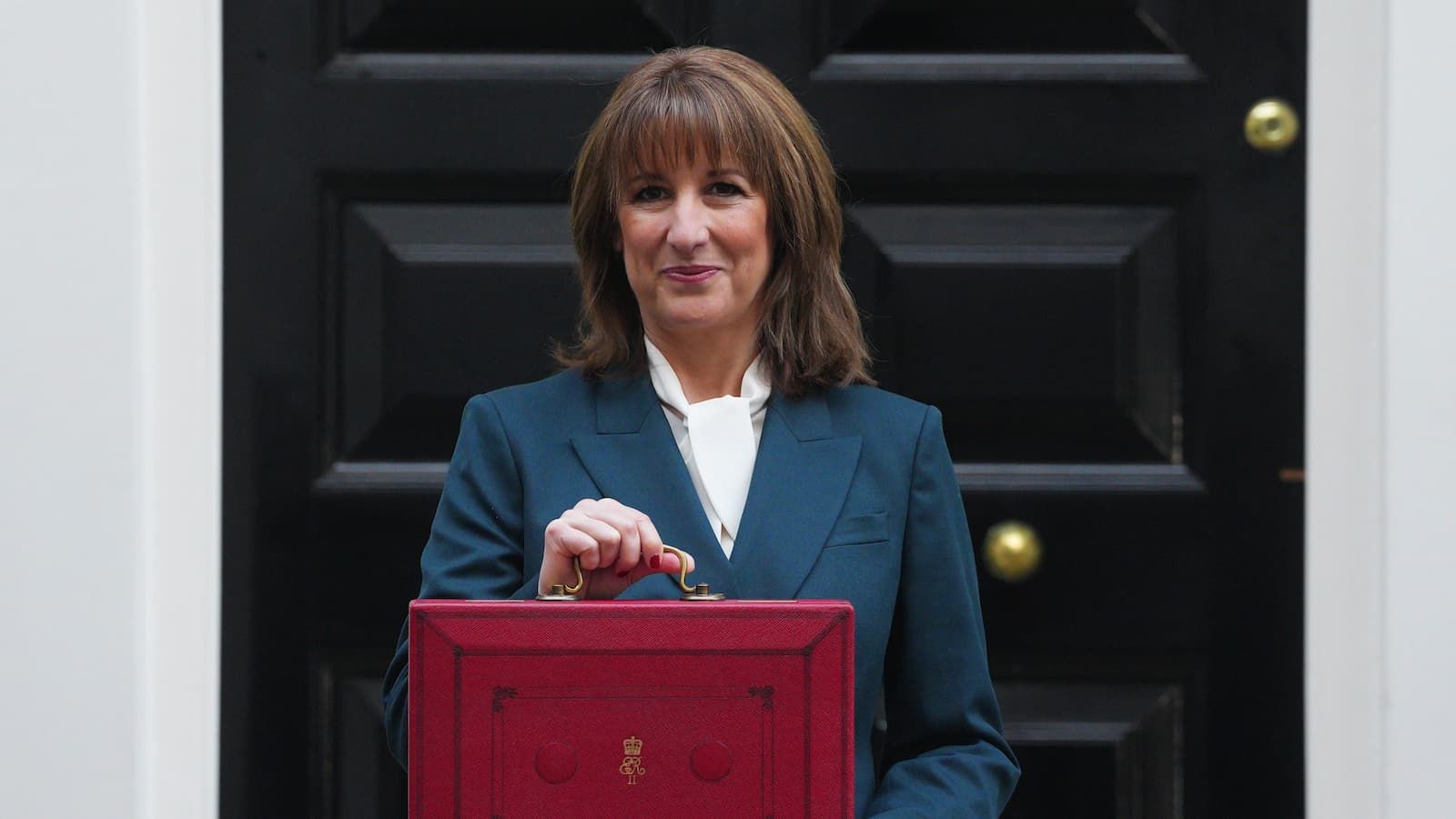
Chancellor Rachel Reeves has confirmed in the November 2025 Budget that a new Mansion Tax will be introduced from April 2028.
The tax will apply to homes valued above £2 million, which experts are already warning will directly affect house prices at the top end of the market.
We take a look at how the Mansion Tax will work and which homeowners are likely to be impacted.
How will the Mansion Tax work?
The Mansion Tax is a new high-value council tax surcharge that will apply to properties valued over £2 million.
There will be four price bands, starting at £2,500 a year for homes between £2 million and £2.5 million, rising to £7,500 for properties worth £5 million or more.
The surcharge will be uprated annually by inflation. The tax will be charged in addition to standard council tax and will be paid to central government rather than local authorities.
While the surcharge is not due until 2028, the government says valuations will be based on 2026 prices, requiring a nationwide revaluation of high-value properties.
The OBR are predicting the Mansion Tax will raise the government around £400 million.
Who will be affected by the mansion tax?
The mansion tax will apply to properties valued at over £2 million, with four bands: £2 million–£2.5 million, £2.5 million–£3.5 million, £3.5 million–£5 million, and above £5 million.
Homes in the lowest band will pay £2,500 a year, rising to £7,500 for properties in the highest band, with charges uprated annually by inflation.
High-value homeowners in London and the South East are likely to be most affected, as these areas have the greatest concentration of properties above £2 million.
Around 300,000 homes are predicted to be at risk under the Mansion tax plan.
Experts warn of Mansion Tax’s impact
Experts have voiced concerns about how the Mansion Tax will affect the housing market and wider housing activity.
Colleen Babcock, Rightmove’s property expert, says: “Today’s announcement of a Mansion Tax could lead to some distortion at the top end of the market, particularly as the implementation date draws closer. Sellers of homes near the £2 million mark may need to adjust prices, and retired homeowners could struggle with annual costs.”
Nick Leeming, Chairman of Jackson-Stops, warns: “The £2 million threshold may hit London and South East homeowners harder, where prices are high and many owners are mortgaged.”
Alexander Marcham, Managing Director at Alvarez & Marsal Tax, adds: “Revaluing homes to 2026 prices will be a huge task for local councils and could trigger a wave of appeals.”
Mark Hughes, Specialist Property Expert at Pure Property Finance, notes: “While politically significant, careful planning will be key to avoiding forced sales or wider market disruption.”
With the Mansion Tax confirmed in the November 2025 Budget, homeowners with properties over £2 million now know what to expect from April 2028.
Understanding how the Mansion Tax works and who will be affected is essential for planning future costs.
Staying informed about the Mansion Tax will help homeowners make strategic decisions and manage their property investments effectively.
View the original article and our Inspiration here
Leave a Reply