
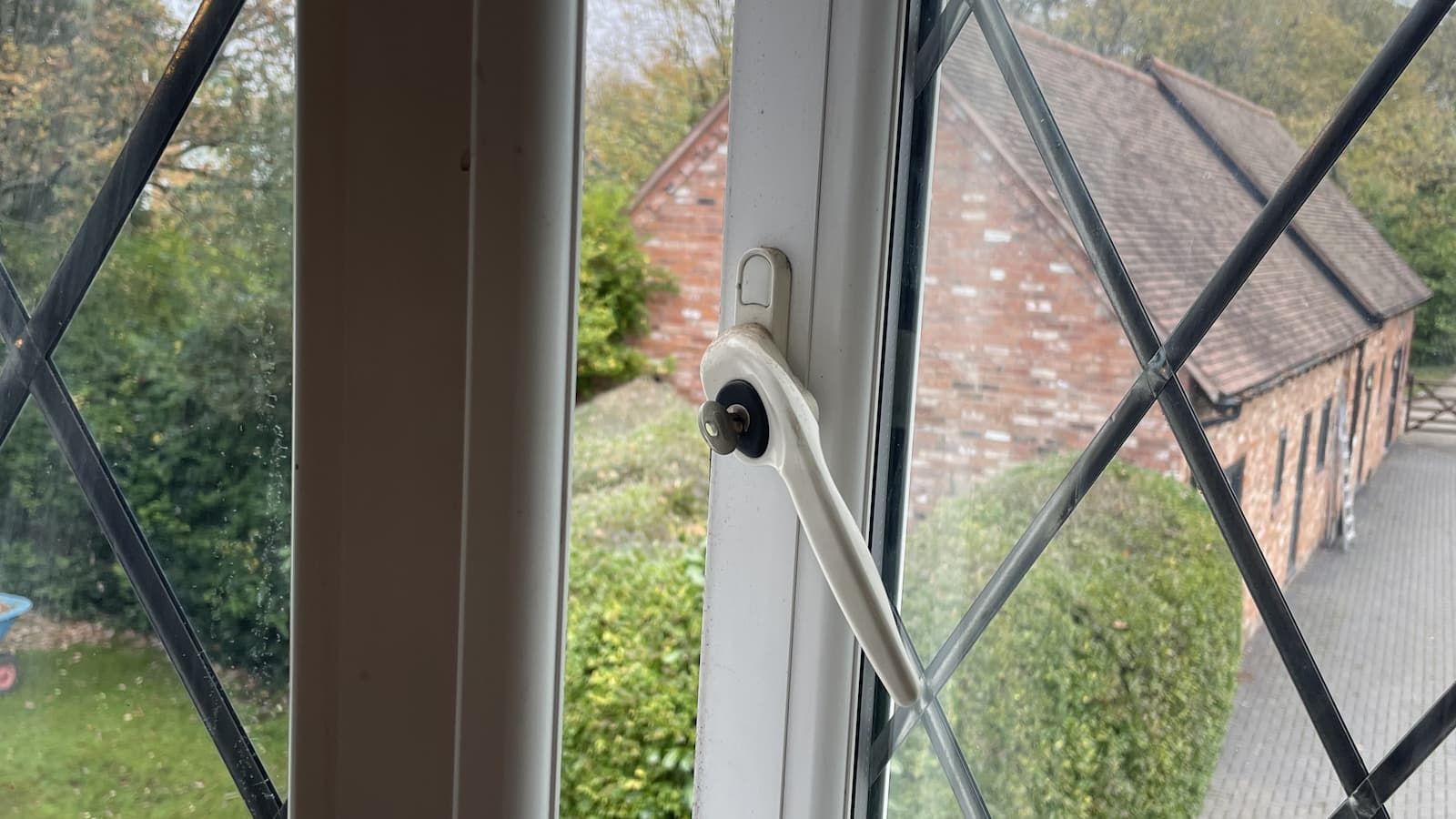
Many UK homeowners are unaware that they could be losing heat through their uPVC windows by not adjusting the settings, causing their energy bills to rise.
According to the Energy Saving Trust, properly draught‑proofing around windows could save around £85 a year in Great Britain, so even small adjustments can make a real difference to comfort and costs.
By adjusting a hidden setting in the window locking mechanism, homeowners can press the sash tighter, reducing draughts. I tried it out on my Victorian draughty home to show you the impact it had and how easy it was to do.
What is the hidden setting on uPVC windows?
Image 1 of 2
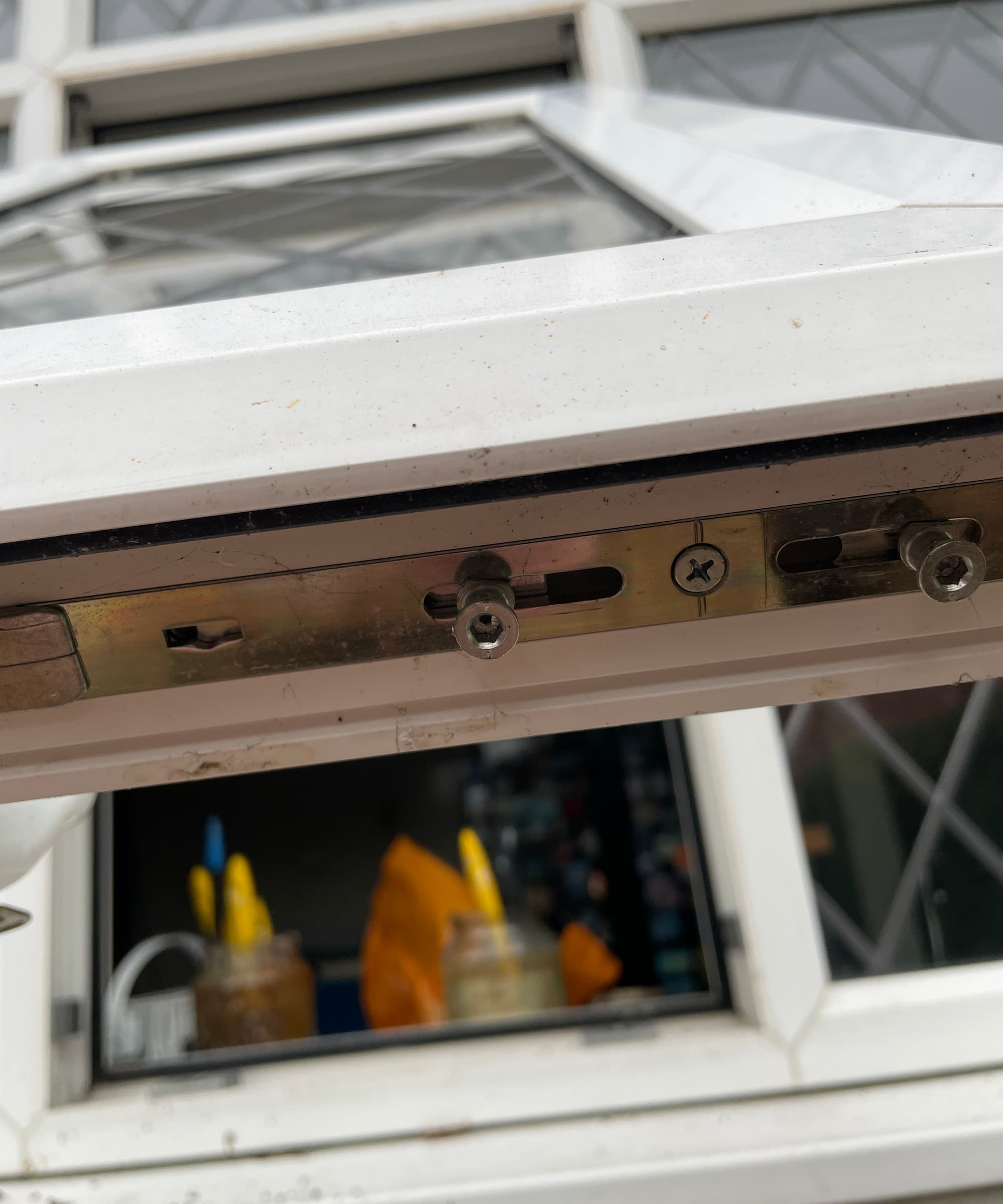
The key lies in the small “mushroom” cam pieces (and their matching keeps) inside your uPVC window’s locking hardware.
These are part of the locking mechanism and, if set correctly, pull the sash tightly into the rubber seal when you close the window.
That “compression” determines how well the window stops draughts: more compression equals a tighter seal and less heat escaping.
How to adjust your uPVC windows for winter weather
Image 1 of 3
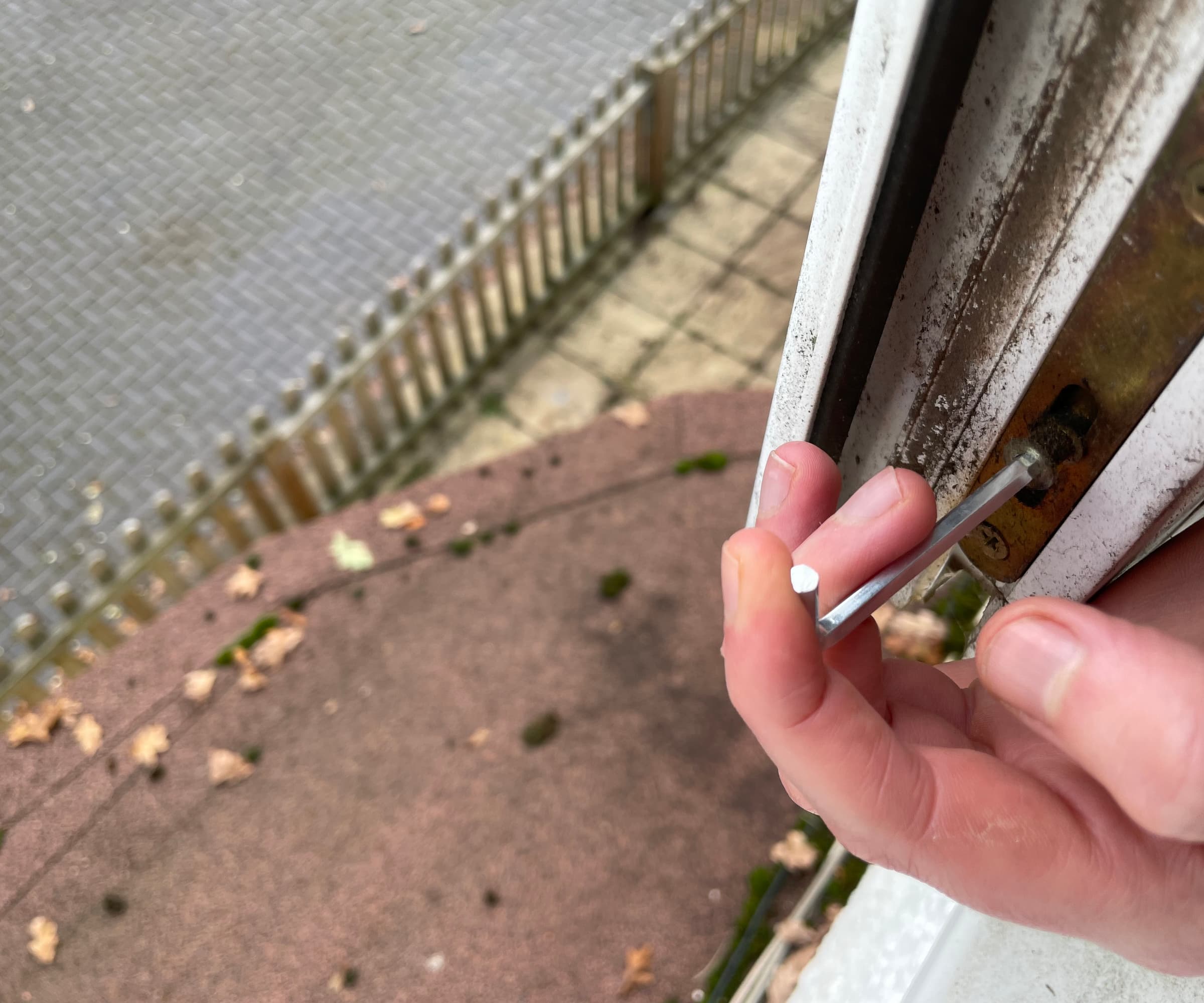
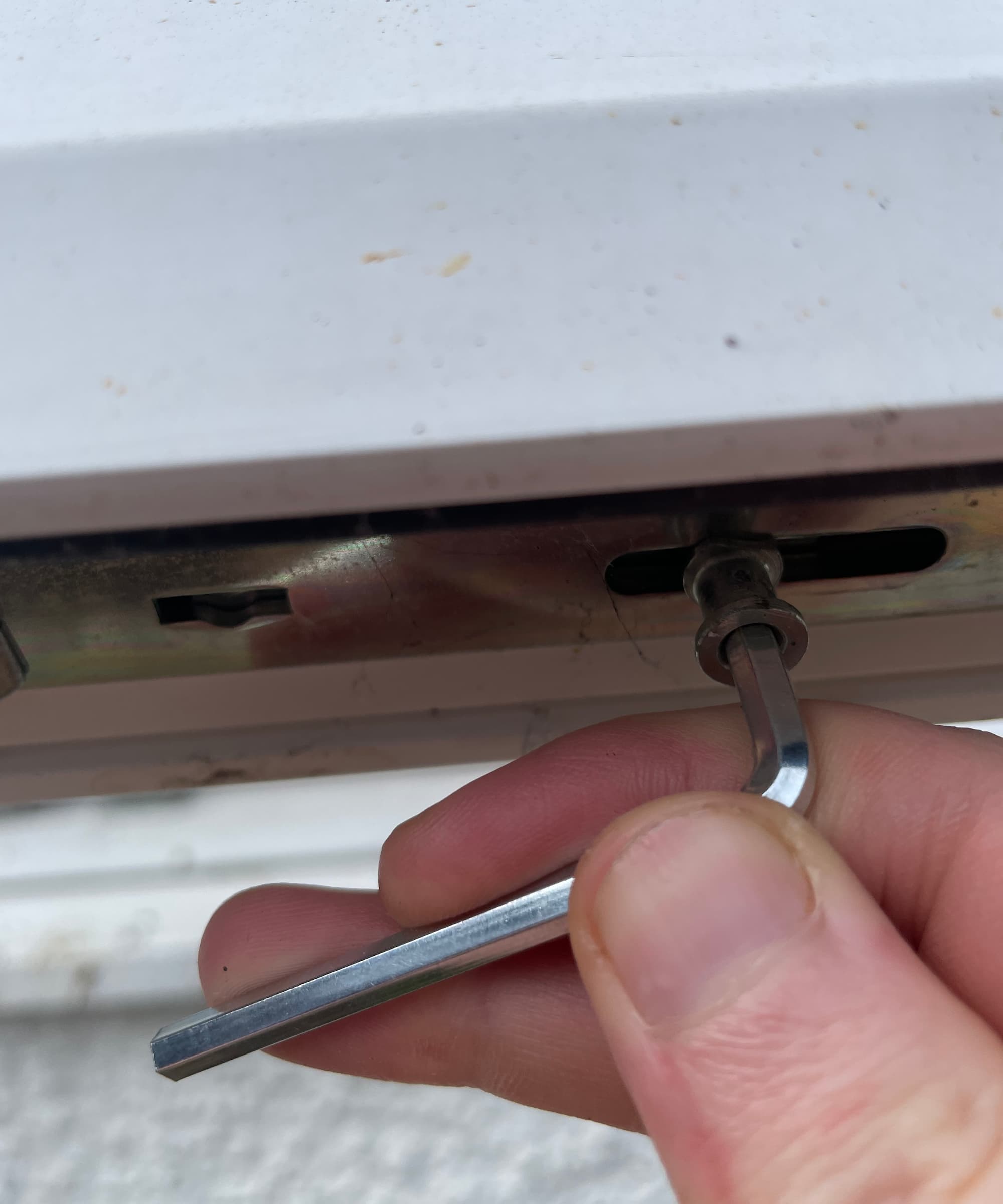
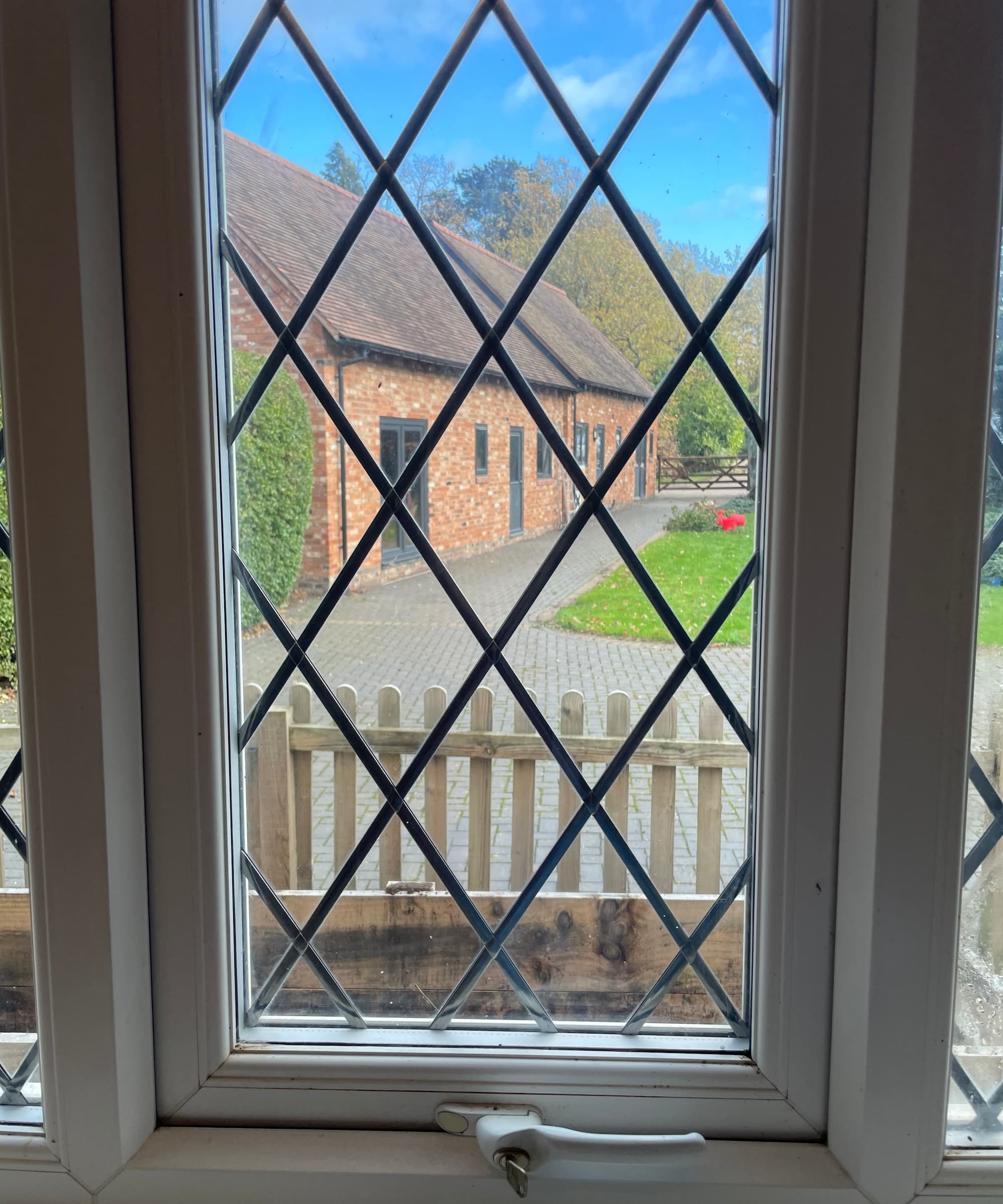
Adjusting your uPVC windows is a relatively simple job that shouldn’t take much time.
You can do this with just one tool, an Allen key. However, some uPVC windows may require a screwdriver depending on your window type, but the process is still the same. You need to do the following:
- Open the window and inspect the locking edge. Look for the mushroom-shaped cam and the corresponding keep (a small plate) on the frame.
- Use an Allen key to rotate the mushroom cam a little, or move the keep slightly if it’s mounted in a slotted hole. Try turning or shifting it by just a millimeter or a quarter turn clockwise.
- Close the window and check how the sash feels: if it’s too hard to lock, loosen a bit; if it’s too loose, tighten more. Do this gradually and test after each tweak.
How much impact does it have?
Image 1 of 3
So how much difference does this actually make?
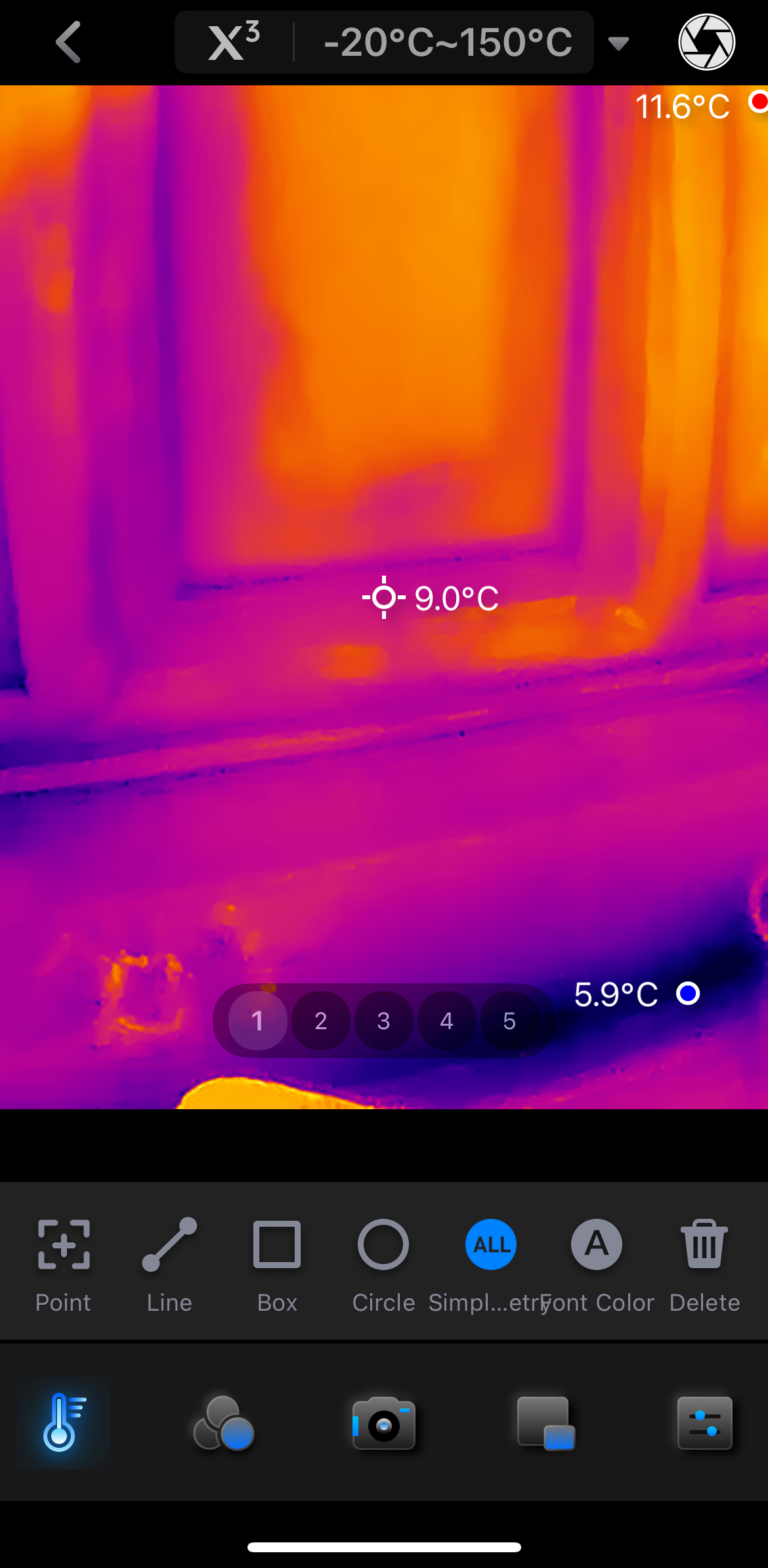
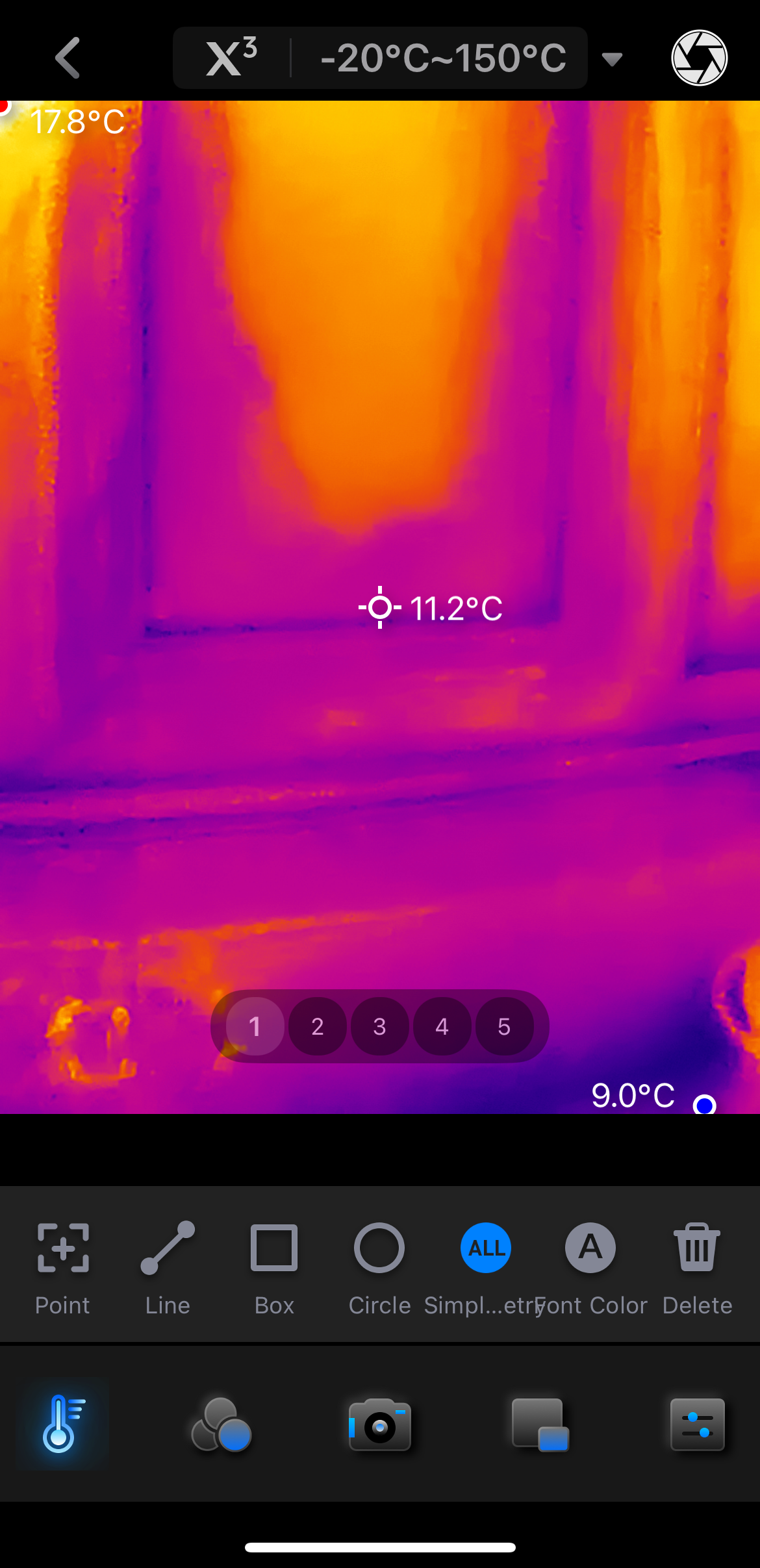
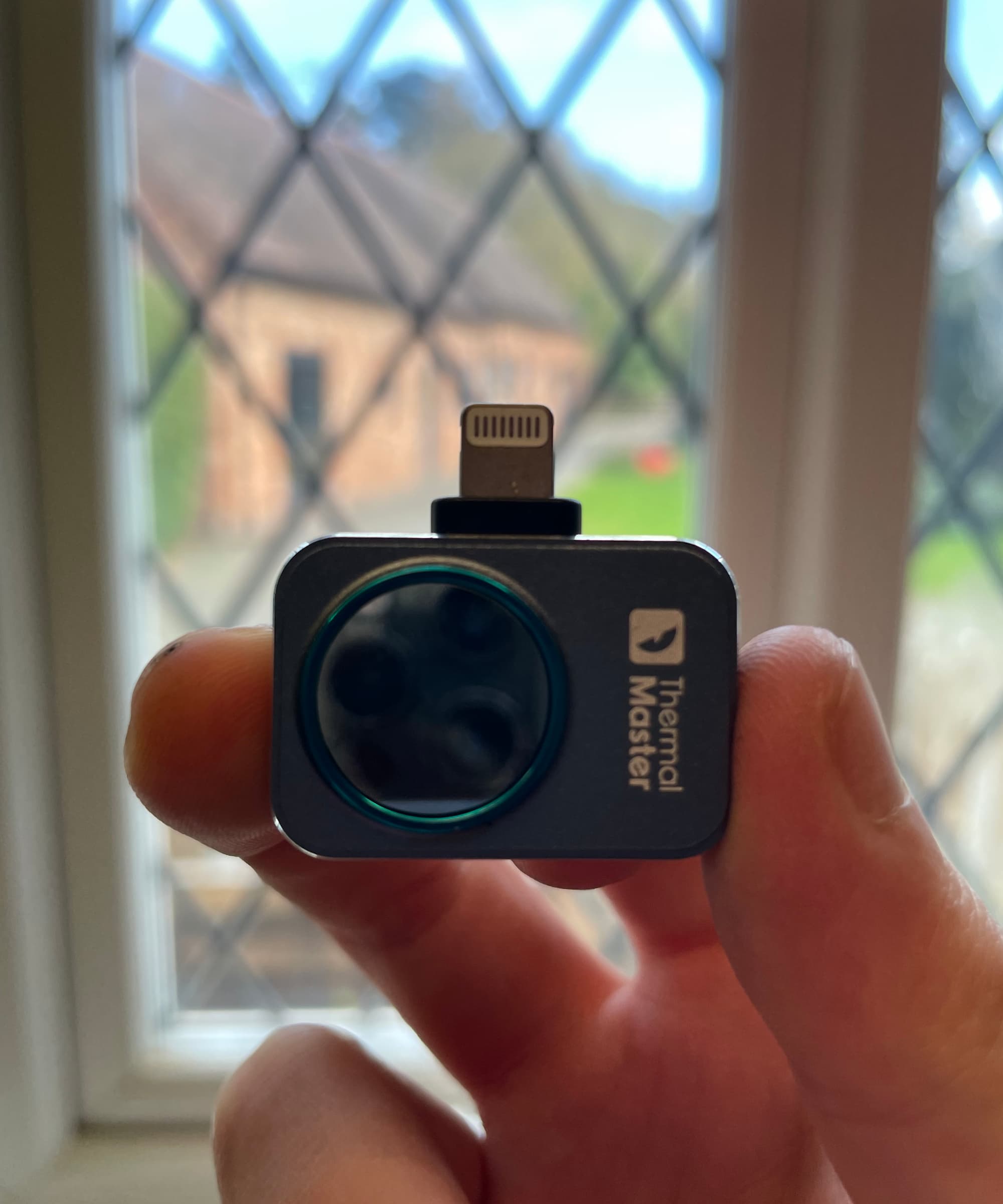
Well I decided to test this by using the world’s smallest thermal camera to see the before and after effect from adjusting my windows settings.
Prior to adjusting, the seal of my uPVC window was a low 9.0°C, meaning the cold air outside was invading my home at quite a high rate.
A day after draught proofing the window the temperature was now 11.2°C without me having to raise my thermostat or make any other changes, meaning my home was no longer losing as much heat.
So it just goes to show that a small change can make a big difference to your home’s heating, but if your want to have good ventilation in the summer you will need to turn the mushroom back on your uPVC windows and doors to its summer setting to loosen the seal.
View the original article and our Inspiration here
Leave a Reply