
A quiet Essex bungalow has become the unlikely test bed for a new way of heating homes using recycled energy from tiny computers.
At a time when energy price rises have pushed many households to look for alternatives, the couple living there have turned their garden shed into a working “energy room” that now powers most of their heat and hot water.
The result is a dramatic fall in their monthly bills, dropping from around £375 to as little as £40.
Data workloads become heat in a garden shed
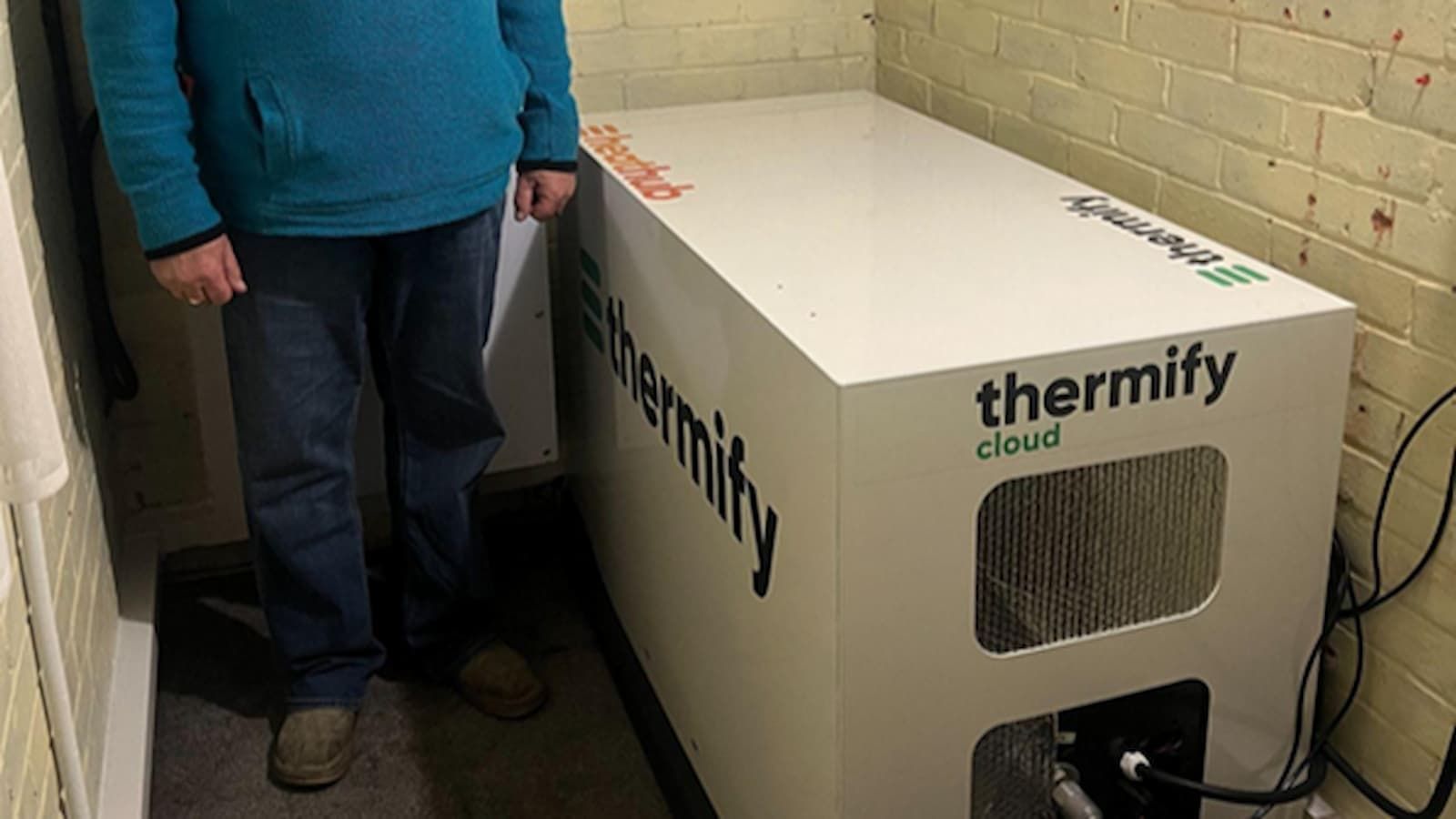
Terrence and Lesley Bridges, who live in a two-bedroom bungalow near Braintree, are the first household in the country to replace their traditional gas boiler with a HeatHub – a compact data centre installed in their brick shed.
The unit contains more than 500 Raspberry Pi computers immersed in oil; as they process data for paying clients, the waste heat is captured and transferred into the home’s hot water and radiator system.
Their shed has effectively become a small-scale boiler room powered not by combustion or electricity bills, but by ‘computational’ work carried out on behalf of third-party customers.
Bills collapse under the new heating model

The trial is part of UK Power Networks’ SHIELD programme, which aims to find low-cost, low-carbon heating solutions for households on modest incomes.
Because Thermify, the company behind the HeatHub, earns revenue from clients who pay to run their digital workloads on the hardware, the electricity used by the computers is covered by that data-processing business model.
Combined with solar panels and solar batteries also installed under the SHIELD scheme, the Bridges’ total monthly energy spend has plunged to £40–£60 – a reduction of almost 90%.
“SHIELD is our flagship innovation project,” said Jack McKellar, UK Power Networks’ innovation programme manager.
McKellar said the initiative directly supports the company’s consumer vulnerability and fuel poverty strategy: “We don’t want anyone to miss out on the benefits of new and emerging technologies as the UK moves towards a greener future. This project combines cutting-edge kit with a pioneering Social Energy Services Company model to help households save money and reduce emissions.”
Outbuildings become utility hubs in emerging energy trend

While this is the first household to adopt a data-heated home, the trial signals a broader shift in how UK homes may be powered in the coming decade.
The modest garden shed, once an optional extra in property listings, is increasingly becoming a vital space for housing modern energy hardware, including solar inverters, batteries, heat stores and now data-centre modules.
Over the next four years, up to 300 homes across the East and South East will join the trial. Backed by Ofgem’s Strategic Innovation Fund, UK Power Networks intends to gather enough evidence to scale the system dramatically.
“We aim to scale this up to 100,000 units annually by 2030,” McKellar said, calling the trial an important step in delivering affordable, sustainable energy solutions nationwide.
View the original article and our Inspiration here
Leave a Reply